-
Myocardial Bridge
Wikipedia
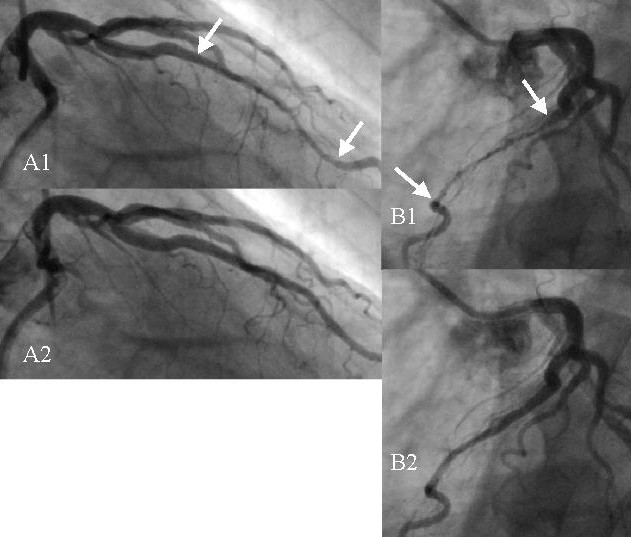
Patient success stories [ edit ] ‘I have my life back’: Kathy Hoseth battled inexplicable chest pains much of her life—until she finally found the cardiothoracic surgeon who could remedy her condition. by Zinta Aistars Spectrum Health Beat, September 2019 https://healthbeat.spectrumhealth.org/sharp-lifelong-chest-pain-myocardial-bridge-surgery-women-cardiac-disparities/?hootPostID=43ea49e6229634fc9c07a04f4d036b59 Treating an Overlooked Condition by Samantha Beal Stanford Children's Health, February 22, 2017 https://healthier.stanfordchildrens.org/en/treating-an-overlooked-heart-condition/ Abu Dhabi surgeons complete Middle East's first robotic surgery for rare heart condition Cleveland Clinic Abu Dhabi, December 13, 2017 https://www.clevelandclinicabudhabi.ae/en/media-center/news/pages/abu-dhabi-surgeons-complete-middle-easts-first-robotic-surgery-for-rare-heart-condition.aspx Why Does Kyle Watson Keep Running? If He Stops, He'll Die. Runner's World September 2018 https://www.runnersworld.com/runners-stories/a22739738/kyle-watson-runs-to-live/ Understanding a Woman's Heart Means Knowing What to Look For Stanford Medicine, February 27, 2012 https://med.stanford.edu/news/all-news/2012/02/understanding-a-womans-heart-means-knowing-what-to-look-for.html See also [ edit ] Cardiac CT Angiography References [ edit ] ^ a b c d e f g Rogers, Ian S.; Tremmel, Jennifer A.; Schnittger, Ingela (September 2017). ... Runner's World . 5 September 2018. ^ Myocardial Bridging: Symptoms. Stanford Health Care. https://stanfordhealthcare.org/medical-conditions/blood-heart-circulation/myocardial-bridging/symptoms.html ^ a b Ripa, Chiara; Cristina Melatini, Maria; Olivieri, Fabiola; Antonicelli, Roberto (27 April 2011). ... Scope blog of Stanford University Medical Center. October 17, 2016. https://scopeblog.stanford.edu/2016/10/17/stanford-researchers-sleuthing-uncovers-mystery-of-heart-anomaly/ ^ Boyd, Jack H.; Pargaonkar, Vedant S.; Scoville, David H.; Rogers, Ian S.; Kimura, Takumi; Tanaka, Shigemitsu; Yamada, Ryotaro; Fischbein, Michael P.; Tremmel, Jennifer A.; Mitchell, Robert Scott; Schnittger, Ingela (May 2017).
-
Usher Syndrome, Type Ic
OMIM
Ophthalmic examination revealed that both sibs had sector retinitis pigmentosa restricted to the inferior and nasal retina, and fundus autofluorescence imaging showed a clear demarcation between normal and abnormal areas of retina, which corresponded to areas of reduced sensitivity on fine matrix mapping and loss of visual field. ... In 2 sibs from a Caucasian British family who were diagnosed with hearing loss at 4 years of age and who developed retinitis pigmentosa of the 'sector' type in the third and fourth decades of life, respectively, Saihan et al. (2011) identified compound heterozygosity for a missense mutation (R103H; 605242.0011) and a splice site mutation (605242.0012) in the USH1C gene. ... INHERITANCE - Autosomal recessive HEAD & NECK Ears - Sensorineural hearing loss, profound congenital - Vestibular hypofunction Eyes - Retinitis pigmentosa, progressive (prepubertal onset) - Retinitis pigmentosa, sector type (in some patients) MISCELLANEOUS - First described in Acadian population of Louisiana - Allelic to deafness, neurosensory, autosomal recessive 18 ( 602092 ) - Later onset of hearing loss in some patients MOLECULAR BASIS - Caused by mutation in the 73-kD PDZ-domain-containing protein (USH1C, 605242.0001 ) ▲ CloseMYO7A, PCDH15, HARS1, PLD4, USH1C, ADGRV1, USH2A, CDH23, CEP250, ARSG, PROM1, CLRN1, ZDHHC24, CDH23-AS1, TRNS2, BBS1, GUCA1A, WHRN, USH1G, PDZD7, CIB2, GJB2, ESPN, HTC2, GC, CEP78, ABHD12, PCARE, GPR166P, LGR6, INTS2, VN1R17P, MRGPRX1, FADS6, MRGPRX3, MRGPRX4, ASIC5, GPR151, OXER1, LCA5, GPRC6A, VEZT, ACTB, MYO15A, PRPH2, ENG, FGF3, GBX2, MEF2C, MYO5B, NOTCH2, NUCB2, OMP, PEX6, RCVRN, RPGR, PHPT1, SOX3, STATH, USH1E, WFS1, FZD4, OTOF, CIB1, ASAH1, NINL, LPAR3, IMMT
-
Morphea
Wikipedia
Linear scleroderma generally first appears in young children. [2] Frontal linear scleroderma (also known as en coup de sabre or morphea en coup de sabre ) is a type of linear scleroderma characterized by a linear band of atrophy and a furrow in the skin that occurs in the frontal or frontoparietal scalp . [11] [12] Multiple lesions of en coup de sabre may coexist in a single patient, with one report suggesting that the lesions followed Blaschko's lines . [12] It gets its name from the perceived similarity to a sabre wound. [13] Frontal linear scleroderma Atrophoderma of Pasini and Pierini (also known as "Dyschromic and atrophic variation of scleroderma," [11] "Morphea plana atrophica," [11] "Sclérodermie atrophique d'emblée" [11] ) is a disease characterized by large lesions with a sharp peripheral border dropping into a depression with no outpouching, which, on biopsy , elastin is normal, while collagen may be thickened. [14] Atrophoderma of Pasini and Pierini affects less than 200,000 Americans and is classified as a rare disease by http://rarediseases.info.nih.gov . ... Morphea also may be under-reported, as physicians may be unaware of this disorder, and smaller morphea plaques may be less often referred to a dermatologist or rheumatologist. [ citation needed ] See also [ edit ] List of cutaneous conditions Frontal linear scleroderma (morphea en coup de sabre) References [ edit ] ^ Fitzpatrick, Thomas B. (2005). ... ISBN 978-1-4160-2999-1 . ^ a b Katz, KA (October 2003). "Frontal linear scleroderma (en coup de sabre)". Dermatology Online Journal . 9 (4): 10.TNF, LMNA, CSF3, CD34, IL2, FLI1, DCN, IL1A, IFNG, TGFB1, COL1A2, SELE, STAT3, SPARC, TP53, VIM, LTBP4, ABL1, LILRB1, POSTN, CCL18, BTG3, PART1, BNC2, DEFB103B, SKOR1, MIR155, MIR196A1, DEFB103A, CCL19, SMAD7, CCL11, CCL5, BCL2, BMP6, CCR7, COMP, CCN2, GATA3, GRN, IFNA1, IFNA13, IFNB1, IL6, CXCL8, ITGAV, ITGB5, ACTB, CXCL9, MMP1, MIR483

-
Medical Abortion
Wikipedia
This was introduced by Planned Parenthood of the Heartland in Iowa to allow a patient at one health facility to communicate via secure video with a health provider at another facility. [20] This model has expanded to other Planned Parenthoods in multiple states as well other clinics providing abortion care. [20] Direct-to-patient [ edit ] The direct-to-patient model allows for medication abortion to be provided without an in-person clinic visit. Instead of an in-person clinic visit, the patient receives counseling and instruction from the abortion provider via videoconference. ... "Women's Experiences Using Telemedicine to Attend Abortion Information Visits in Utah: A Qualitative Study" . ... Utrecht, Netherlands: Inspectie voor de Gezondheidszorg (IGZ) [Health Care Inspectorate], Ministerie van Volksgezondheid, Welzijn en Sport (VWS) [Ministry of Health, Welfare and Sport]. ... CS1 maint: numeric names: authors list ( link ) Medical abortion accounted for 72% of abortions under 10 weeks' gestation—in England and Wales in 2016. ^ Vilain, Annick (June 26, 2017). "211 900 interruptions volontaires de grossesse en 2016 (211,900 voluntary terminations of pregnancies in 2016)" (PDF) . ... (June 13, 2017). "Interruptions de grossesse en Suisse en 2016 (Abortions in Switzerland 2016)" .
-
Marburg Acute Multiple Sclerosis
Wikipedia
"Les formes frontières de sclérose en plaques" [Borderline forms of multiple sclerosis]. ... PMID 8780061 . ^ See explanation at ^ Todd A Hardy, Reddel, Barnett, Palace, Lucchinetti, Weinshenker, Atypical CNS inflammatory demyelinating disease, The lancet neurology, August, 2016, DOI: https://doi.org/10.1016/S1474-4422(16)30043-6 , Manuscript Number: THELANCETNEUROLOGY-D-16-00113R1 available at [1] ^ Eduardo Labat et al., An extremely aggressive case of Marburg's disease treated with high dose cyclophosphamide. A case report, Multiple Sclerosis and Related Disorders, Volume 31, June 2019, Pages 51-53, https://doi.org/10.1016/j.msard.2019.03.014 ^ Yaqing Shu Youming Long Shisi Wang Wanming Hu Jian Zhou Huiming Xu Chen Chen Yangmei Ou Zhengqi Lu Alexander Y. ... Kermode Wei Qiu, Brain histopathological study and prognosis in MOG antibody‐associated demyelinating pseudotumor, 08 January 2019, https://doi.org/10.1002/acn3.712 ^ Capello E, Mancardi GL (November 2004).
-
Usog
Wikipedia
There are observations that a stranger (or a newcomer or even a visiting relative) especially someone with a strong personality (physically big, boisterous, has strong smell, domineering, etc.) may easily distress a child. ... Some have observed that at times even praising a shy child by a visiting relative caused an usog . [4] [7] The saliva from the stranger, granted that he or she is healthy and consistent with his or her oral hygiene , is relatively clean [8] and contains enough antimicrobial compounds such as lactoferrin , lactoperoxidase , and secretory immunoglobulin A which can help clear pathogens from the child and benefit the child against infection. [9] Furthermore, human saliva has opiorphin , a newly researched pain-killing substance. ... More than the superstitious folks, researchers dealing with Filipino Psychology say they have observed this phenomenon with regularity and suggest that this be added to the Psychiatric Disorders Handbook DSM-V . [4] See also [ edit ] Evil eye Lihi Albulario Saliva Opiorphin References [ edit ] ^ PWE-USOG / PWE-BUYAG: Miscellaneous Therapies in Philippine Alternative Medicine ^ http://www.viloria.com/secondthoughts/archives/00000176.html ^ Fadul, J. ... ISBN 978-971-542-570-4 . ^ Youtube Usog ^ http://neurophilosophy.wordpress.com/2006/11/14/lick-your-wounds/ Neurophilosophy: Lick your wounds ^ Discover Magazine, "The Biology of ...Saliva" October 2005 ^ Wisner, Anne; Evelyne Dufour; Michaël Messaoudi; Amine Nejdi; Audrey Marcel; Marie-Noelle Ungeheuer; Catherine Rougeot (November 13, 2006).
-
Abortion In The Netherlands
Wikipedia
The number of abortions has been relatively stable in the 21st century, around 28,000 per year. [2] [3] As of 2010 [update] , the abortion rate was 9.7 abortions per 1000 women aged 15–44 years. [4] Life in the Netherlands Culture History People Language Architecture Cuisine Culture Customs Holidays Music Religion Sport Economy Economy Recycling Taxation Transport Society Demographics Education Customs Languages Media Health care Government Foreign Policy Human Rights Law Law enforcement Military Politics Policies Gedogen Abortion Drug policy Euthanasia Pillarisation Prostitution Same-sex marriage v t e See also [ edit ] Abortion in Belgium Abortion in the United Kingdom Abortion law Abortion debate Religion and abortion References [ edit ] ^ a b c http://www.hollandnagykovetseg.hu/files/4486929507.pdf "Archived copy" (PDF) . ... Retrieved 2008-07-05 . [ failed verification ] ^ http://www.cbs.nl/en-GB/menu/themas/bevolking/publicaties/artikelen/archief/2011/2011-3322-wm.htm ^ "World Abortion Policies 2013" .

-
Charcot-Marie-Tooth Disease, Axonal, Type 2dd
OMIM
Nerve conduction studies, when performed, showed reduced compound muscle action potential (CMAP) and sensory nerve action potential (SNAP) amplitudes with preserved nerve conduction velocities (NCVs), diagnostic of an axonal sensorimotor neuropathy. ... INHERITANCE - Autosomal dominant SKELETAL Hands - Atrophy of the intrinsic hand muscles Feet - Pes cavus MUSCLE, SOFT TISSUES - Distal muscle weakness due to peripheral neuropathy - Distal muscle atrophy due to peripheral neuropathy - Muscle cramps NEUROLOGIC Peripheral Nervous System - Sensorimotor peripheral neuropathy - Steppage gait - Foot drop - Decreased vibratory sensation, distal - Hyporeflexia - Areflexia - Reduced compound muscle action potential (CMAP) amplitudes - Reduced sensory nerve actions potential (SNAP) amplitudes - Normal nerve conduction velocities (NCV) - Loss of large myelinated fibers seen on sural nerve biopsy - Regenerating axons - Thin myelin MISCELLANEOUS - Lower limbs more affected than upper limbs - Some patients have upper limb involvement - Variable age at onset (range late childhood to fifties) - Most patients have onset in teens or twenties - Slowly progressive - Most patients remain ambulatory - Some patients may have a subclinical course with minimal neurologic findings MOLECULAR BASIS - Caused by mutation in the ATPase, Na+/K+ transporting, alpha-1 polypeptide gene (ATP1A1, 182310.0001 ) ▲ Close
-
Tree Nut Allergy
Wikipedia
. ^ a b c d e f Allen KJ, Turner PJ, Pawankar R, Taylor S, Sicherer S, Lack G, Rosario N, Ebisawa M, Wong G, Mills EN, Beyer K, Fiocchi A, Sampson HA (2014). ... CS1 maint: extra text: authors list ( link ) ^ https://acaai.org/allergies/types/food-allergies/types-food-allergy/tree-nut-allergy ^ https://kidshealth.org/en/parents/allergy.html ^ https://acaai.org/allergies/types/food-allergies/types-food-allergy/tree-nut-allergy ^ https://acaai.org/allergies/types/food-allergies/types-food-allergy/tree-nut-allergy ^ a b Bublin M, Breiteneder H (2014). ... J Pharm Sci . 107 (5): 1263–1268. doi : 10.1016/j.xphs.2017.12.021 . PMID 29287928 . ^ Mills EN, Valovirta E, Madsen C, Taylor SL, Vieths S, Anklam E, Baumgartner S, Koch P, Crevel RW, Frewer L (2004).

-
Epidermal Nevus Syndrome
Orphanet
Epidermal nevus syndrome (ENS) is a rare congenitally acquired syndrome, characterized by the presence of epidermal nevi in association with various developmental abnormalities of the skin, eyes, nervous, skeletal, cardiovascular and urogenital systems. ... Most are present at birth, occur sporadically and affect both sexes. All well-defined ENS are lethal gene syndromes, except nevus comedonicus syndrome. ... Management and treatment No ideal medical therapy for the cutaneous lesions of ENS exists. The skin lesions may be amenable to surgery.
-
Costochondritis
Wikipedia
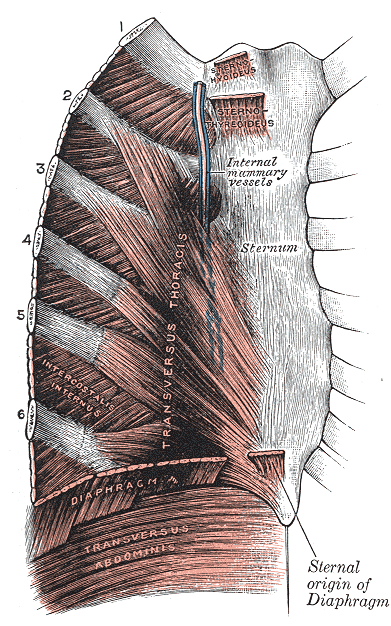
Treatment may involve the use of nonsteroidal anti-inflammatory drugs (NSAIDs) such as ibuprofen or other pain relief medications ( analgesics ) such as acetaminophen . [3] [4] Severe cases of costochondritis may call for the use of opioid medications such as hydrocodone or oxycodone , tricyclic antidepressant medications such as amitriptyline for pain from chronic costochondritis, or anti-epileptic drugs such as gabapentin may be used. [23] Oral or injected corticosteroids may be used for cases of costochondritis unresponsive to treatment by NSAIDs; however, this treatment has not been the subject of study by rigorous randomized controlled trials and its practice is currently based on clinical experience. [24] Rest from stressful physical activity is often advised during the recovery period. [4] Epidemiology [ edit ] Costochondritis is a common condition and is responsible for 30% of emergency room chest-pain-related visits. One-fifth of visits to the primary care physician are for musculoskeletal chest pain; of this 20% of primary care office visits, 13% are due to costochondritis. [7] Costochondritis cases are most often seen in people older than age 40 and occur more often in women than in men. [8] See also [ edit ] Costochondral cartilage References [ edit ] ^ a b c Mayo Clinic Staff (2012). ... PMID 17360222 . ^ Grindstaff TL, Beazell JR, Saliba EN, Ingersoll CD (2010). "Treatment of a female collegiate rower with costochondritis: a case report" .
-
Abortion In Belarus
Wikipedia
Abortion is allowed on request up to 12 weeks, and in specific circumstances, on a variety of grounds, until 28 weeks. [2] The 1987 law allows abortion for the traditional reasons of harm or death to the fetus and/or mother, rape and incest , as well as: the death of the husband during pregnancy , a jail sentence for either the mother or father, a court order stripping the pregnant woman of parental rights , if a household already exceeds five children, if the relationship between mother and father ends in divorce , or a family history which includes mental or physical disabilities . [1] Once a popular method of birth control , abortions exceeded live births two-to-one in 1995. [3] The rate had fallen by over 75%, with abortions numbering 42,000 (or 39% of the live birth rate) in 2008. [3] As of 2010 [update] , the abortion rate was 14.7 abortions per 1000 women aged 15–44 years. [4] References [ edit ] ^ a b Belarus - ABORTION POLICY - United Nations ^ http://www.womenonwaves.org/en/page/4757/belarus--abortion-law ^ a b Fewer Abortions In Belarus, But More Single Mothers ^ "World Abortion Policies 2013" .
- Radiation-Induced Lung Injury Wikipedia
-
Caul
Wikipedia
A caul or cowl ( Latin : Caput galeatum , literally, "helmeted head") is a piece of membrane that can cover a newborn's head and face. [1] Birth with a caul is rare, occurring in fewer than 1 in 80,000 births. [ citation needed ] The caul is harmless and is immediately removed by the physician or midwife upon delivery of the child. The "en-caul" birth, not to be confused with the "caul" birth, occurs when the infant is born inside the entire amniotic sac . ... Contents 1 Types 2 Removal 3 Epidemiology 4 History 5 In literature 6 Notable people born "in the caul" 7 References 8 External links Types [ edit ] The amniotic sac from an en-caul birth A child "born with the caul" has a portion of a birth membrane remaining on the head. ... If removed too quickly, the caul can leave wounds on the infant's flesh at the attachment points, which may leave permanent scars. [2] Epidemiology [ edit ] Birth with a caul is rare, occurring in fewer than 1 in 80,000 births. This statistic includes en-caul births, which occur more frequently than authentic caul births; therefore authentic caul births are rarer than the statistic indicates. [3] Most "en-caul" births are premature. ... Thefreedictionary.com. Retrieved on 2011-10-15. ^ a b http://caulbearersunited.webs.com/-%20New%20Folder/EarliestCaulBearer.pdf [ full citation needed ] [ permanent dead link ] [ self-published source ] ^ Caul, or Face Veil, Occasionally Present at Birth .
-
Hiv/aids In Honduras
Wikipedia
Since the beginning of its involvement in preventing the spread of HIV, the Honduran government has sought to establish multi-sector programs, such as COMSIDA, which was reorganized in 1999 into CONASIDA, with fifteen national institutions or organizations represented. ... "VIH/SIDA: Análisis de la Evolución de la Epidemia en Honduras" (PDF) . Universidad de Costa Rica . ^ "Country: Proposal HIV/AIDS R09 (PDF)" . www.theglobalfund.org . ... Retrieved 2018-11-15 . ^ a b "Tres personas se infectan a diario con VIH en Honduras - Diario El Heraldo" . Diario El Heraldo (in Spanish) . ... CS1 maint: DOI inactive as of January 2021 ( link ) ^ "Diagnóstico de los Servicios Ofrecidos por la Asociación Nacional de Personas Viviendo con VIH/SIDA en Honduras" . AIDSFree . 2015-09-14 . Retrieved 2018-10-29 . ^ "En memoria de Allan Dunaway, fundador y presidente de la Asociación Nacional de Honduras de Personas que Viven con el VIH" . www.unaids.org (in Spanish) .
-
Occupational Hearing Loss
Wikipedia
Graph of prevalence of hearing loss over time for workers in various sectors in the United States [1] Occupational hearing loss ( OHL ) is hearing loss that occurs as a result of occupational hazards , such as excessive noise and ototoxic chemicals. ... A 2016 study by NIOSH found that the mining sector had the highest prevalence of hearing impairment at 17%, followed by the construction sector (16%) and the manufacturing sector (14%). The public safety sector had the lowest rate of hearing impairment, at 7%. [7] Overall, audiometric records show that about 33% of working-age adults with a history of occupational noise exposure have evidence of noise-induced hearing damage, and 16% of noise-exposed workers have material hearing impairment. [8] Personal protective equipment , administrative controls, and engineering controls can all work to reduce exposure to noise and chemicals, either by providing the worker with protection such as earplugs , or by reducing the noise or chemicals at the source or limiting the time or level of exposure. ... "Trends in worker hearing loss by industry sector, 1981-2010" . American Journal of Industrial Medicine . 58 (4): 392–401. doi : 10.1002/ajim.22429 .

-
Upper Airway Resistance Syndrome
Wikipedia
American Journal of Respiratory and Critical Care Medicine, 161(5), 1412–1413. https://doi.org/10.1164/ajrccm.161.5.16158a ^ Garcha, Puneet S.; Aboussouan, Loutfi S.; Minai, Omar (January 2013). ... Treatment of upper airway resistance syndrome in adults: Where do we stand? Sleep Science, 8(1), 42–48. https://doi.org/10.1016/j.slsci.2015.03.001 ^ Berry, R. ... Journal of Clinical Sleep Medicine, 8(5), 597–619. https://doi.org/10.5664/jcsm.2172 ^ Huang, Y. ... Retrieved February 28, 2017. ^ a b c Exar EN, Collop NA (Apr 1999). "The upper airway resistance syndrome". ... CS1 maint: multiple names: authors list ( link ) ^ "Comparison of dimensions and volume of upper airway before and after mini-implant assisted rapid maxillary expansion". https://meridian.allenpress.com/angle-orthodontist/article/90/3/432/430028/Comparison-of-dimensions-and-volume-of-upper
-
Undernutrition In Children
Wikipedia
Bulletin of the World Health Organization. 81(2). 79. https://www.scielosp.org/pdf/bwho/2003.v81n2/79-79/en ^ Atassi, H. (2019). Protein-Energy Malnutrition. MedScape. https://emedicine.medscape.com/article/1104623-overview ^ a b c d e f "Facts for Life" (PDF) . ... "Severe Malnutrition, A Disturbance in Nigerian Health Sector" . Public Health Nigeria . ^ UNICEF.

-
Obesity In France
Wikipedia
A model attribution edit summary Content in this edit is translated from the existing French Wikipedia article at [[:fr:Obésité en France]]; see its history for attribution. You should also add the template {{Translated|fr|Obésité en France}} to the talk page . For more guidance, see Wikipedia:Translation . ( Learn how and when to remove this template message ) Overview of obesity in France Obesity in France is a growing health issue. ... London . Retrieved 28 June 2010 . ^ https://www.cia.gov/library/publications/the-world-factbook/rankorder/2228rank.html v t e Obesity in Europe Sovereign states Albania Andorra Armenia Austria Azerbaijan Belarus Belgium Bosnia and Herzegovina Bulgaria Croatia Cyprus Czech Republic Denmark Estonia Finland France Georgia Germany Greece Hungary Iceland Ireland Italy Kazakhstan Latvia Liechtenstein Lithuania Luxembourg Malta Moldova Monaco Montenegro Netherlands North Macedonia Norway Poland Portugal Romania Russia San Marino Serbia Slovakia Slovenia Spain Sweden Switzerland Turkey Ukraine United Kingdom States with limited recognition Abkhazia Artsakh Kosovo Northern Cyprus South Ossetia Transnistria Dependencies and other entities Åland Faroe Islands Gibraltar Guernsey Isle of Man Jersey Svalbard
-
Covid-19 In Pregnancy
Wikipedia
Midwives should keep a social distance of at least 2 arms lengths during any clinical visit. As long as hand washing is performed before and after the physical exam women without suspected or confirmed COVID-19, the physical exam and patient contact should continue as usual. if hand washing is performed before and after. [31] Spray surfaces used by patients and staff with bleach or another. Be sure to wipe down the surface with a paper towel or clean cloth in between patients and wash hands. [31] Childbirth, antenatal care and postnatal care are carried out by midwives and represent some of the most important health care services in the women's health sector and are directly linked to mortality and morbidity rates. [31] It is essential that the SRMNAH workforce, including midwives, is included in the emergency response and distribution plans to receive sufficient PPE and orientation how to use PPE correctly. [31] Since midwifery care is continuing to be an essential service that women must be able to access it is very important that midwives receive support, mentoring and orientation how to re-organise services to keep providing quality care (i.e. respecting the public health advice of at least 2m between women, as few as possible midwives looking after one woman (few staff in the room), hand washing hygiene). [31] Midwives must receive evidence-based information that they can protect themselves from contracting COVID-19 when caring for a symptomatic woman, or from a woman who was exposed to a COVID-19 positive person. [31] Midwives play an essential role in reducing stigma and battling the spreading belief that health facilities are to be avoided to stay healthy/ not contract COVID-19. [31] It can be expected that the reorganisation/ removal of funds from sectors that midwives work in, will directly be linked to an upward trend of maternal and newborn morbidity and mortality pushing countries further away from their SDG targets]. [31] Antenatal care [ edit ] The RCOG and RCM strongly advise that antenatal and postnatal care should be regarded as essential, and that "pregnant women will continue to need at least as much support, advice, care and guidance in relation to pregnancy, childbirth and early parenthood as before". [19] In May 2020, a spokesperson for the RCOG suggested that black and other minority ethnic women should be warned that they may have greater risk of complications from the virus and should be advised to seek help early if concerned. [9] Moreover, healthcare professionals should be aware of the increased risk and have a lower threshold to review, admit and escalate care provided to women of BAME background. [7] To minimise the risk of infection, the RCOG and RCM advise that some appointments may be conducted remotely via teleconferencing or videoconferencing. [19] A survey conducted in Shanghai among pregnant women in different trimesters of pregnancy identified a strong demand for online access to health information and services. [32] Women expecting their first baby were more willing to have online consultation and guidance than who had previously given birth. [32] The RCOG and RCM recommend that in-person appointments be deferred by 7 days after the start of symptoms of COVID-19 or 14 days if another person in the household has symptoms. [19] Where in-person appointments are required, pregnant patients with symptoms or confirmed COVID-19 who require obstetric care are advised to notify the hospital or clinic before they arrive in order for infection control to be put in place. [5] [19] Universal screening at the New York–Presbyterian Allen Hospital and Columbia University Irving Medical Center found that out of 215 pregnant patients, four (1.9%) had symptoms and were positive for COVID-19 and 29 (13.7%) were asymptomatic but tested positive for the virus. [33] Fever subsequently developed in three asymptomatic patients. One patient who had tested negative subsequently became symptomatic postpartum and tested positive three days after the initial negative test. [33] The doctors conducting the screening recommended that in order to reduce infection and allocate PPE, due to high numbers of patients presenting as asymptomatic, universal screening of pregnant patients should be conducted. [33] During labour [ edit ] In the UK, official guidelines state that women should be permitted and encouraged to have one asymptomatic birth partner present with them during their labour and birth. [19] There is no evidence regarding if there is vaginal shedding of the virus, so the mode of birth (vaginal or caesarean) should be discussed with the woman in labour and take into consideration her preferences if there are no other contraindications. [17] [19] If a patient has a scheduled elective caesarean birth or a planned induction of labour, an individual assessment should consider whether it is safe to delay the procedure to minimise the risk of infecting others. [19] Products of conception, such as the placenta , amnion etc. have not been shown to have congenital coronavirus exposure or infection, and do not pose risk of coronavirus infection. [34] The RCOG and the RCM recommend that epidurals should be recommended to patients with confirmed or suspected COVID-19 in labour so that the need for general anaesthesia is minimised if urgent intervention for birth is required. [19] They also suggest that women with suspected or confirmed COVID-19 should have continuous electronic fetal monitoring . [19] The use of birthing pools is not recommended for suspected or confirmed cases of COVID-19 due to the risk of infection via faeces . [19] Postnatal care [ edit ] In the UK, official recommendations state that precautionary separation of a mother and a healthy baby should not be undertaken lightly and that they should be kept together in the postpartum period where neonatal care is not required. [19] According to UN Population Fund, women are encouraged to breastfeed as normal to the extent possible in consultation with the healthcare provider. [34] Literature from China recommended separation of infected mothers from babies for 14 days. [19] In the US there is also the recommendation that newborns and mothers should be temporarily separated until transmission-based precautions are discontinued, and that where this is not possible the newborn should be kept 2 metres away from the mother. [5] UNFPA recommends it is critical that all women have access to safe birth, the continuum of antenatal and postnatal care, including screening tests according to national guidelines and standards, especially in epicenters of the pandemic, where access to services for pregnant women, women in labour and delivery, and lactating women is negatively impacted. [35] Impact of the COVID-19 pandemic on pregnant women [ edit ] According to UN Women, the diversion of attention and critical resources away from women's reproductive health could exacerbate maternal mortality and morbidity and increase the rate of adolescent pregnancies. [36] The United Nations Population Fund recommends that having access to safe birth, antenatal care, postnatal care and screening tests according to national guidelines is critical, particularly in areas where the pandemic has overwhelmed hospitals, so that reproductive health is negatively impacted. [34] See also [ edit ] Gendered impact of the COVID-19 pandemic Impact of the COVID-19 pandemic on abortion in the United States References [ edit ] ^ Burgos, Diario de (2020-03-30). "Muere en La Coruña una embarazada con Covid-19 de 37 años" . ... ISSN 1470-0328 . PMC 7283977 . PMID 32460422 . ^ http://ukarcog.org/ ^ Breslin, Noelle; Baptiste, Caitlin; Gyamfi-Bannerman, Cynthia; Miller, Russell; Martinez, Rebecca; Bernstein, Kyra; Ring, Laurence; Landau, Ruth; Purisch, Stephanie; Friedman, Alexander M.; Fuchs, Karin (2020-04-09).


