• FindZebra
  • About
  • Contact
  • Help
  • Login
Advanced
  • Buphthalmos Wikipedia
    It is sometimes referred to as buphthalmia (plural buphthalmias). [2] It usually appears in the newborn period or the first 3 months of life. [3] and in most cases indicates the presence of congenital (infantile) glaucoma , which is a disorder in which elevated pressures within the eye lead to structural eye damage and vision loss. ... Retrieved 26 September 2017 . ^ http://www.merriam-webster.com/medical/Buphthalmos Merriam-Webster online medical dictionary ^ Merriam-Webster: Over 80% of cases are evident by 3 years of age. ^ The Schlemm's canal is usually collapsed (Merriam-Webster) ^ Yanoff & Duker: Ophthalmology, 3rd ed. 2008 ^ http://www.swingmusic.net/Ray_Charles_Biography.html Swing Music website, page for Ray Charles External links [ edit ] Classification D ICD - 10 : Q15.0 ICD - 9-CM : 743.2 OMIM : 231300 MeSH : D006871 SNOMED CT : 413728006 v t e Congenital malformations and deformations of eyes Adnexa Eyelid Ptosis Ectropion Entropion Distichia Blepharophimosis Ablepharon Marcus Gunn phenomenon Lacrimal apparatus Congenital lacrimal duct obstruction Globe Entire eye Anophthalmia ( Cystic eyeball , Cryptophthalmos ) Microphthalmia Lens Ectopia lentis Aphakia Iris Aniridia Anterior segment Axenfeld–Rieger syndrome Cornea Keratoglobus Megalocornea Other Buphthalmos Coloboma ( Coloboma of optic nerve ) Hydrophthalmos Norrie disease
    CYP1B1, FOXC1, TYR
  • Pemphigus Foliaceus Wikipedia
    You can help by adding to it . ( August 2017 ) Epidemiology [ edit ] Pemphigus is endemic in the rural areas of Brazil, especially along inland riverbeds. [1] History [ edit ] Pierre Louis Alphée Cazenave first described the disease in 1844. [4] See also [ edit ] List of cutaneous conditions Pemphigus References [ edit ] ^ a b Freedberg, et al. (2003). Fitzpatrick's Dermatology in General Medicine . (6th ed.). Page 558–562. McGraw-Hill. ISBN 0-07-138076-0 . ^ Rapini, Ronald P.; Bolognia, Jean L.; Jorizzo, Joseph L. (2007).
    C3, DSG1, DSG3, HLA-DRB1, RBM45, TNF, CTLA4, ICOS, LAIR2, KIR3DL1, IL6, VEGFA, GEM, TNFSF13B, CD86, LILRB1, NKG7, FOXP3, CD226, KLRG1, EIF2AK3, KRT20, SPAG16, TRAF2, PRRT2, LENG8, MAPK1, PRKCB, MIR338, PRKCA, KIR3DL2, LTA, LAIR1, CD19, MS4A1, CD40, CD40LG, CD59, CR1, EGFR, ENG, EPHB2, FCAR, HLA-A, HLA-C, HLA-DQA1, HSPA1L, HSPA4, CD1D, KIR3DS1, MIR584
    • Pemphigus Foliaceus Orphanet
      A rare superficial pemphigus disease characterized by multiple, pruritic, scaly, crusted cutaneous erosions, with flaky circumscribed patches, localized mostly on the face, scalp, trunk and extremities, often presenting an erythematous base. Mucosal involvement is rarely observed.
  • Developmental Delay With Variable Intellectual Impairment And Behavioral Abnormalities OMIM
    Description Developmental delay with variable intellectual impairment and behavioral abnormalities (DDVIBA) is an autosomal dominant neurodevelopmental disorder. Most patients have impaired intellectual development with speech difficulties, and many have behavioral abnormalities, most commonly autism spectrum disorder (ASD), defects in attention, and/or hyperactivity. ... Inheritance Although the vast majority of TCF20 mutations occur de novo, Vetrini et al. (2019) observed 4 unrelated families with DDVIBA who showed autosomal dominant inheritance. Molecular Genetics In a 25-year-old woman (family 6) with DDVIBA, Babbs et al. (2014) identified a de novo heterozygous frameshift mutation in the TCF20 gene (603107.0001). ... The mutations were found by trio-based whole-exome sequencing and confirmed by Sanger sequencing. The patients were ascertained from a cohort of 313 individuals with intellectual disability who underwent trio-based whole-exome sequencing. In 28 patients from 27 unrelated families, including a set of monozygotic twins (patients 27 and 28), with DDVIBA, Vetrini et al. (2019) identified 25 heterozygous mutations in the TCF20 gene (see, e.g., 603107.0004-603107.0006). ... Several patients carried possible pathogenic variants in other genes, which may have contributed to the phenotype. INHERITANCE - Autosomal dominant GROWTH Height - Tall stature (in some patients) Weight - Obesity (in some patients) Other - Somatic overgrowth (in some patients) HEAD & NECK Head - Macrocephaly (in some patients) - Brachycephaly - Plagiocephaly Face - Dysmorphic facial features, variable - Midface hypoplasia - Long face - Full face - Frontal bossing - Tall forehead Ears - Low-set ears - Posteriorly rotated ears Eyes - Deep-set eyes - Epicanthal folds - Strabismus - Myopia Nose - Depressed nasal bridge - Short nose - Bulbous nose Mouth - Thin upper lip - Tented upper lip - Full low lip - Open mouth - Downturned corners of the mouth CHEST Breasts - Inverted nipples ABDOMEN Gastrointestinal - Feeding difficulties - Constipation SKELETAL Spine - Scoliosis Hands - Tapering fingers - Fifth finger clinodactyly Feet - Foot deformities MUSCLE, SOFT TISSUES - Hypotonia NEUROLOGIC Central Nervous System - Global developmental delay - Impaired intellectual development, mild to moderate - Motor delay - Delayed walking - Speech delay - Speech difficulties - Seizures (in some patients) - Sleep disturbances - Abnormal movements (in some patients) - Ataxia - Spasticity - Jerky movements - Dyspraxia - Poor coordination - Structural brain abnormalities, mild, non-specific Behavioral Psychiatric Manifestations - Autism spectrum disorder - Attention deficit-hyperactivity (ADHD) - Hyperactivity - Obsessive-compulsive disorder - Anxiety - Aggressive behavior - Food-seeking behavior MISCELLANEOUS - Highly variable phenotype - De novo mutation (in most patients) MOLECULAR BASIS - Caused by mutation in the transcription factor 20 gene (TCF20, 603107.0001 ) ▲ Close
  • Alexander Disease Wikipedia
    Rare genetic disorder of the white matter of the brain Alexander disease Brain of a 4-year-old boy with Alexander disease showing macroencephaly and periventricular leukomalacia (note brownish discoloration around the cerebral ventricles ) Specialty Endocrinology , neurology Alexander disease is a very rare autosomal dominant leukodystrophy , which are neurological conditions caused by anomalies in the myelin which protects nerve fibers in the brain. The most common type is the infantile form that usually begins during the first 2 years of life. Symptoms include mental and physical developmental delays, followed by the loss of developmental milestones, an abnormal increase in head size and seizures. ... Symptoms of the adult form may also resemble multiple sclerosis . [2] No more than 500 cases have been reported. [2] See also [ edit ] The Myelin Project The Stennis Foundation References [ edit ] ^ "Alexander Disease Information Page" . National Institute of Neurological Disorders and Stroke. 2018. ... Retrieved 2016-11-08 . ^ "Alexander Disease Information Page: National Institute of Neurological Disorders and Stroke (NINDS)" . www.ninds.nih.gov .
    GFAP, DES, CRYAB, HSPB2, HSPB3, HSPB1, NFE2L2, GABPA, TARDBP, SYNM, WDHD1, BTG3, TRH, SNCA, SLC1A2, PLEC, AVP, KRT8, ITPR2, CASP3, MTOR, MAPK14, COL4A1, CHI3L1, CD38, CASP6, HSPB8
    • Alexander Disease OMIM
      Bassuk et al. (2003) reported an infant with Alexander disease who presented with poor feeding on the first day of life, followed by emesis and weight loss. ... Stumpf et al. (2003) reported a family with an autosomal dominant adult form of Alexander disease. ... Although this sibship suggested possible autosomal recessive inheritance, all the molecular genetic evidence favors autosomal dominant inheritance, i.e., de novo heterozygous mutations as the cause. ... The data confirmed that the effects of the specific GFAP mutation are dominant; in the heterozygote mutant, the gene product was dominant over wildtype GFAP in coassembly experiments (Der Perng et al., 2006). ... It remained to be determined whether the heritable dominant forms of Alexander disease described in 2 families, both of which had late onsets after age 25 years (Howard et al., 1993; Schwankhaus et al., 1995), also had GFAP mutations as the cause.
    • Alexander Disease Type Ii Orphanet
      An astrogliopathy and a form of Alexander disease (AxD) characterized by ataxia, bulbar symptoms, spastic paraparesis, palatal myoclonus, and autonomic symptoms. Epidemiology Prevalence is unknown. It accounts for approximately 40% of AxD cases. Clinical description AxD type II can present throughout life, most commonly in late adolescence or adulthood (over the age of 12) and more rarely in childhood, with the age of onset ranging from 4-62 in published cases. It presents most commonly with bulbar symptoms (dysarthria, dysphonia, dysphagia), pyramidal signs and gait difficulties due to ataxia and/or spastic paraparesis. Unlike AxD type I (see this term), seizures are rarely seen and cognitive impairment is sometimes absent.
    • Alexander Disease Type I Orphanet
      Those with a neonatal onset (within the first 30 days) usually have a more severe disease course presenting with symptoms of generalized, frequent, and often intractable seizures, aqueductal stenosis (leading to hydrocephalus with raised intracranial pressure) and severe motor and intellectual disability. ... The disease course is severe with death usually, but not always, occurring in the first two decades after diagnosis. In the neonatal form the disease progresses even faster with severe disability or death occurring within the first years of life.
    • Alexander Disease Orphanet
      Several familial cases have also been reported with autosomal dominant transmission. This gene encodes GFAP, the major intermediate filament protein found in astrocytes.
    • Alexander Disease GARD
      While this condition is inherited in an autosomal dominant fashion, most cases result from new mutations in the gene.
    • Alexander Disease GeneReviews
      Sequence analysis of GFAP is performed first to detect small intragenic deletions/insertions and missense, nonsense, and splice site variants. Note: Depending on the sequencing method used, single-exon, multiexon, or whole-gene deletions/duplications may not be detected. If no variant is detected by the sequencing method used, the next step is to perform gene-targeted deletion/duplication analysis to detect exon and whole-gene deletions or duplications. ... Variants may include small intragenic deletions/insertions and missense, nonsense, and splice site variants; typically, exon or whole-gene deletions/duplications are not detected. ... Disease progression is also variable, with some individuals losing gross and fine motor as well as language skills in the first decade of life, while others follow a very slow disease course that spans decades.
    • Alexander Disease MedlinePlus
      Rarely, a neonatal form of Alexander disease occurs within the first month of life and is associated with severe intellectual disability and developmental delay, a buildup of fluid in the brain (hydrocephalus), and seizures. ... About 500 cases have been reported since the disorder was first described in 1949. Causes Mutations in the GFAP gene cause Alexander disease. ... Learn more about the gene associated with Alexander disease GFAP Inheritance Pattern This condition is inherited in an autosomal dominant pattern, which means one copy of the altered gene in each cell is sufficient to cause the disorder.
  • Focal Dystonia Wikipedia
    Liona Boyd , Canadian classical guitarist, publicized as the "First Lady of the Guitar", retired from the concert stage for six years in 2003, due to focal dystonia that affected her right hand. ... In the 2000s, he regained use of his right hand and recommenced performing and recording with two hands. Dominic Frasca , guitarist Reinhard Goebel , Baroque violinist, switched to playing left-handed. ... "Man of constant sorrow: Charlie Parr's quiet battle to stay alive - City Pages" . City Pages . Retrieved 23 April 2018 .
    TOR1A, THAP1, KMT2B, PRKRA, GLRA1, GNAL, ALDH5A1, PRKCG, ALDH18A1, PLA2G6, TH, ARX, MAPT, GCH1, DRD5, DYT13, TIMM8A, ATXN3, DYT7, ARSG, BDNF
  • Thiourea Tasting OMIM
    They concluded that variability in thresholds is controlled by a major locus with incomplete dominance, as well as by a multifactorial component. ... They performed a genome screen by using 1,324 markers with an average spacing of 4 cM. Analyses were first carried out with a recessive genetic model that had traditionally been assumed for the trait, and a threshold score of 8.0 delineating tasters from nontasters. ... Drayna et al. (2003) found evidence for other possible quantitative loci on chromosomes 1 (lod = 2.31 at 344 cM) and 16 (lod = 2.01 at 14 cM). A subsequent 2-locus whole genome scan conditional on the chromosome 7 quantitative trait locus identified the chromosome 16 locus (2-locus lod = 3.33 at 14 cM). ... History Nebert (1997) suggested that the first example of pharmacogenetics was the phenylthiourea nontaster trait first described by Snyder (1932). ... Endocrine - Relationship between PTC nontasting to cretinism Misc - Variation in ability to taste PTC Inheritance - Autosomal dominant - possibly two loci involved ▲ Close
  • Hypohidrotic Ectodermal Dysplasia GeneReviews
    HED is inherited in an autosomal dominant, autosomal recessive, or X-linked manner. ... Hypodontia (congenital absence of teeth): An average of nine permanent teeth – typically the canines and first molars –develop in individuals with classic HED [Lexner et al 2007]. ... Sequence analysis of EDA is performed first, followed by gene-targeted deletion/duplication analysis of EDA if no pathogenic variant is found. ... Sequence analysis of genomic DNA cannot detect a (multi)exon or whole-gene deletion on an X chromosome of carrier females. 6. ... Mild HED Females with XLHED and males and females with autosomal dominant HED (ADHED) typically have mild HED.
    EDA, EDARADD, EDAR, EDA2R, TRAF6, IKBKG, TNF, HAND2, GJB6, WNT10A, NFKBIA, FN1, LEF1, CD38, XIST, MADCAM1, CXCR4, NR4A3, GOLPH3, KDF1, BMS1, ORAI1, TNFRSF1A, TNFRSF13B, TAB2, ACACA, STAT1, GH1, CDC42, CTNNB1, EFNB1, EGFR, ELANE, G6PD, GFI1, IFNG, FAS, IFNGR1, KRT19, LTB, PGK1, PGK1P1, PKP1, PTGS2, RAC1
    • Hypohidrotic Ectodermal Dysplasia Wikipedia
      EDAR mutations can have an autosomal dominant or autosomal recessive pattern of inheritance, and EDARADD mutations have an autosomal recessive pattern of inheritance. Autosomal dominant inheritance means one copy of the altered gene in each cell is sufficient to cause the disorder. ... Most often, the parents of an individual with an autosomal recessive disorder are carriers of one copy of the altered gene but do not show signs and symptoms of the disorder. [ citation needed ] Terminology [ edit ] The eponym Christ-Siemens-Touraine syndrome was named after its discoverers: Josef Christ (1871–1948), a German dentist and physician from Wiesbaden , who was the first physician to identify the condition, Hermann Werner Siemens (1891–1969), a pioneering German dermatologist from Charlottenburg , who clearly identified its pathological characteristics in the early 1930s, and Albert Touraine (1883–1961), a French dermatologist who likewise noted and identified additional characteristics of the disease in the late 1930s. [ citation needed ] Notable individuals [ edit ] Michael Berryman , Saturn Award -nominated character actor See also [ edit ] Hermann Werner Siemens List of cutaneous conditions Albert Touraine List of radiographic findings associated with cutaneous conditions List of dental abnormalities associated with cutaneous conditions References [ edit ] ^ James, William; Berger, Timothy; Elston, Dirk (2005). ... External links [ edit ] GeneReview/NIH/UW entry on Hypohidrotic Ectodermal Dysplasia Hypohidrotic ectodermal dysplasia at NLM Genetics Home Reference Classification D ICD - 10 : Q82.4 ICD - 9-CM : 757.31 OMIM : 305100 224900 , 129490 MeSH : D053358 DiseasesDB : 29810 External resources GeneReviews : Hypohidrotic Ectodermal Dysplasia v t e Congenital malformations and deformations of integument / skin disease Genodermatosis Congenital ichthyosis / erythrokeratodermia AD Ichthyosis vulgaris AR Congenital ichthyosiform erythroderma : Epidermolytic hyperkeratosis Lamellar ichthyosis Harlequin-type ichthyosis Netherton syndrome Zunich–Kaye syndrome Sjögren–Larsson syndrome XR X-linked ichthyosis Ungrouped Ichthyosis bullosa of Siemens Ichthyosis follicularis Ichthyosis prematurity syndrome Ichthyosis–sclerosing cholangitis syndrome Nonbullous congenital ichthyosiform erythroderma Ichthyosis linearis circumflexa Ichthyosis hystrix EB and related EBS EBS-K EBS-WC EBS-DM EBS-OG EBS-MD EBS-MP JEB JEB-H Mitis Generalized atrophic JEB-PA DEB DDEB RDEB related: Costello syndrome Kindler syndrome Laryngoonychocutaneous syndrome Skin fragility syndrome Ectodermal dysplasia Naegeli syndrome / Dermatopathia pigmentosa reticularis Hay–Wells syndrome Hypohidrotic ectodermal dysplasia Focal dermal hypoplasia Ellis–van Creveld syndrome Rapp–Hodgkin syndrome / Hay–Wells syndrome Elastic / Connective Ehlers–Danlos syndromes Cutis laxa ( Gerodermia osteodysplastica ) Popliteal pterygium syndrome Pseudoxanthoma elasticum Van der Woude syndrome Hyperkeratosis / keratinopathy PPK diffuse : Diffuse epidermolytic palmoplantar keratoderma Diffuse nonepidermolytic palmoplantar keratoderma Palmoplantar keratoderma of Sybert Meleda disease syndromic connexin Bart–Pumphrey syndrome Clouston's hidrotic ectodermal dysplasia Vohwinkel syndrome Corneodermatoosseous syndrome plakoglobin Naxos syndrome Scleroatrophic syndrome of Huriez Olmsted syndrome Cathepsin C Papillon–Lefèvre syndrome Haim–Munk syndrome Camisa disease focal : Focal palmoplantar keratoderma with oral mucosal hyperkeratosis Focal palmoplantar and gingival keratosis Howel–Evans syndrome Pachyonychia congenita Pachyonychia congenita type I Pachyonychia congenita type II Striate palmoplantar keratoderma Tyrosinemia type II punctate : Acrokeratoelastoidosis of Costa Focal acral hyperkeratosis Keratosis punctata palmaris et plantaris Keratosis punctata of the palmar creases Schöpf–Schulz–Passarge syndrome Porokeratosis plantaris discreta Spiny keratoderma ungrouped: Palmoplantar keratoderma and spastic paraplegia desmoplakin Carvajal syndrome connexin Erythrokeratodermia variabilis HID / KID Other Meleda disease Keratosis pilaris ATP2A2 Darier's disease Dyskeratosis congenita Lelis syndrome Dyskeratosis congenita Keratolytic winter erythema Keratosis follicularis spinulosa decalvans Keratosis linearis with ichthyosis congenita and sclerosing keratoderma syndrome Keratosis pilaris atrophicans faciei Keratosis pilaris Other cadherin EEM syndrome immune system Hereditary lymphedema Mastocytosis / Urticaria pigmentosa Hailey–Hailey see also Template:Congenital malformations and deformations of skin appendages , Template:Phakomatoses , Template:Pigmentation disorders , Template:DNA replication and repair-deficiency disorder Developmental anomalies Midline Dermoid cyst Encephalocele Nasal glioma PHACE association Sinus pericranii Nevus Capillary hemangioma Port-wine stain Nevus flammeus nuchae Other/ungrouped Aplasia cutis congenita Amniotic band syndrome Branchial cyst Cavernous venous malformation Accessory nail of the fifth toe Bronchogenic cyst Congenital cartilaginous rest of the neck Congenital hypertrophy of the lateral fold of the hallux Congenital lip pit Congenital malformations of the dermatoglyphs Congenital preauricular fistula Congenital smooth muscle hamartoma Cystic lymphatic malformation Median raphe cyst Melanotic neuroectodermal tumor of infancy Mongolian spot Nasolacrimal duct cyst Omphalomesenteric duct cyst Poland anomaly Rapidly involuting congenital hemangioma Rosenthal–Kloepfer syndrome Skin dimple Superficial lymphatic malformation Thyroglossal duct cyst Verrucous vascular malformation Birthmark v t e X-linked disorders X-linked recessive Immune Chronic granulomatous disease (CYBB) Wiskott–Aldrich syndrome X-linked severe combined immunodeficiency X-linked agammaglobulinemia Hyper-IgM syndrome type 1 IPEX X-linked lymphoproliferative disease Properdin deficiency Hematologic Haemophilia A Haemophilia B X-linked sideroblastic anemia Endocrine Androgen insensitivity syndrome / Spinal and bulbar muscular atrophy KAL1 Kallmann syndrome X-linked adrenal hypoplasia congenita Metabolic Amino acid : Ornithine transcarbamylase deficiency Oculocerebrorenal syndrome Dyslipidemia : Adrenoleukodystrophy Carbohydrate metabolism : Glucose-6-phosphate dehydrogenase deficiency Pyruvate dehydrogenase deficiency Danon disease/glycogen storage disease Type IIb Lipid storage disorder : Fabry's disease Mucopolysaccharidosis : Hunter syndrome Purine–pyrimidine metabolism : Lesch–Nyhan syndrome Mineral : Menkes disease / Occipital horn syndrome Nervous system X-linked intellectual disability : Coffin–Lowry syndrome MASA syndrome Alpha-thalassemia mental retardation syndrome Siderius X-linked mental retardation syndrome Eye disorders: Color blindness (red and green, but not blue) Ocular albinism ( 1 ) Norrie disease Choroideremia Other: Charcot–Marie–Tooth disease (CMTX2-3) Pelizaeus–Merzbacher disease SMAX2 Skin and related tissue Dyskeratosis congenita Hypohidrotic ectodermal dysplasia (EDA) X-linked ichthyosis X-linked endothelial corneal dystrophy Neuromuscular Becker's muscular dystrophy / Duchenne Centronuclear myopathy (MTM1) Conradi–Hünermann syndrome Emery–Dreifuss muscular dystrophy 1 Urologic Alport syndrome Dent's disease X-linked nephrogenic diabetes insipidus Bone / tooth AMELX Amelogenesis imperfecta No primary system Barth syndrome McLeod syndrome Smith–Fineman–Myers syndrome Simpson–Golabi–Behmel syndrome Mohr–Tranebjærg syndrome Nasodigitoacoustic syndrome X-linked dominant X-linked hypophosphatemia Focal dermal hypoplasia Fragile X syndrome Aicardi syndrome Incontinentia pigmenti Rett syndrome CHILD syndrome Lujan–Fryns syndrome Orofaciodigital syndrome 1 Craniofrontonasal dysplasia v t e Deficiencies of intracellular signaling peptides and proteins GTP-binding protein regulators GTPase-activating protein Neurofibromatosis type I Watson syndrome Tuberous sclerosis Guanine nucleotide exchange factor Marinesco–Sjögren syndrome Aarskog–Scott syndrome Juvenile primary lateral sclerosis X-Linked mental retardation 1 G protein Heterotrimeic cAMP / GNAS1 : Pseudopseudohypoparathyroidism Progressive osseous heteroplasia Pseudohypoparathyroidism Albright's hereditary osteodystrophy McCune–Albright syndrome CGL 2 Monomeric RAS: HRAS Costello syndrome KRAS Noonan syndrome 3 KRAS Cardiofaciocutaneous syndrome RAB: RAB7 Charcot–Marie–Tooth disease RAB23 Carpenter syndrome RAB27 Griscelli syndrome type 2 RHO: RAC2 Neutrophil immunodeficiency syndrome ARF : SAR1B Chylomicron retention disease ARL13B Joubert syndrome 8 ARL6 Bardet–Biedl syndrome 3 MAP kinase Cardiofaciocutaneous syndrome Other kinase / phosphatase Tyrosine kinase BTK X-linked agammaglobulinemia ZAP70 ZAP70 deficiency Serine/threonine kinase RPS6KA3 Coffin-Lowry syndrome CHEK2 Li-Fraumeni syndrome 2 IKBKG Incontinentia pigmenti STK11 Peutz–Jeghers syndrome DMPK Myotonic dystrophy 1 ATR Seckel syndrome 1 GRK1 Oguchi disease 2 WNK4 / WNK1 Pseudohypoaldosteronism 2 Tyrosine phosphatase PTEN Bannayan–Riley–Ruvalcaba syndrome Lhermitte–Duclos disease Cowden syndrome Proteus-like syndrome MTM1 X-linked myotubular myopathy PTPN11 Noonan syndrome 1 LEOPARD syndrome Metachondromatosis Signal transducing adaptor proteins EDARADD EDARADD Hypohidrotic ectodermal dysplasia SH3BP2 Cherubism LDB3 Zaspopathy Other NF2 Neurofibromatosis type II NOTCH3 CADASIL PRKAR1A Carney complex PRKAG2 Wolff–Parkinson–White syndrome PRKCSH PRKCSH Polycystic liver disease XIAP XIAP2 See also intracellular signaling peptides and proteins v t e Cell surface receptor deficiencies G protein-coupled receptor (including hormone ) Class A TSHR ( Congenital hypothyroidism 1 ) LHCGR ( Luteinizing hormone insensitivity , Leydig cell hypoplasia , Male-limited precocious puberty ) FSHR ( Follicle-stimulating hormone insensitivity , XX gonadal dysgenesis ) GnRHR ( Gonadotropin-releasing hormone insensitivity ) EDNRB ( ABCD syndrome , Waardenburg syndrome 4a , Hirschsprung's disease 2 ) AVPR2 ( Nephrogenic diabetes insipidus 1 ) PTGER2 ( Aspirin-induced asthma ) Class B PTH1R ( Jansen's metaphyseal chondrodysplasia ) Class C CASR ( Familial hypocalciuric hypercalcemia ) Class F FZD4 ( Familial exudative vitreoretinopathy 1 ) Enzyme-linked receptor (including growth factor ) RTK ROR2 ( Robinow syndrome ) FGFR1 ( Pfeiffer syndrome , KAL2 Kallmann syndrome ) FGFR2 ( Apert syndrome , Antley–Bixler syndrome , Pfeiffer syndrome , Crouzon syndrome , Jackson–Weiss syndrome ) FGFR3 ( Achondroplasia , Hypochondroplasia , Thanatophoric dysplasia , Muenke syndrome ) INSR ( Donohue syndrome Rabson–Mendenhall syndrome ) NTRK1 ( Congenital insensitivity to pain with anhidrosis ) KIT ( KIT Piebaldism , Gastrointestinal stromal tumor ) STPK AMHR2 ( Persistent Müllerian duct syndrome II ) TGF beta receptors : Endoglin / Alk-1 / SMAD4 ( Hereditary hemorrhagic telangiectasia ) TGFBR1 / TGFBR2 ( Loeys–Dietz syndrome ) GC GUCY2D ( Leber's congenital amaurosis 1 ) JAK-STAT Type I cytokine receptor : GH ( Laron syndrome ) CSF2RA ( Surfactant metabolism dysfunction 4 ) MPL ( Congenital amegakaryocytic thrombocytopenia ) TNF receptor TNFRSF1A ( TNF receptor associated periodic syndrome ) TNFRSF13B ( Selective immunoglobulin A deficiency 2 ) TNFRSF5 ( Hyper-IgM syndrome type 3 ) TNFRSF13C ( CVID4 ) TNFRSF13B ( CVID2 ) TNFRSF6 ( Autoimmune lymphoproliferative syndrome 1A ) Lipid receptor LRP : LRP2 ( Donnai–Barrow syndrome ) LRP4 ( Cenani–Lenz syndactylism ) LRP5 ( Worth syndrome , Familial exudative vitreoretinopathy 4 , Osteopetrosis 1 ) LDLR ( LDLR Familial hypercholesterolemia ) Other/ungrouped Immunoglobulin superfamily : AGM3, 6 Integrin : LAD1 Glanzmann's thrombasthenia Junctional epidermolysis bullosa with pyloric atresia EDAR ( EDAR hypohidrotic ectodermal dysplasia ) PTCH1 ( Nevoid basal-cell carcinoma syndrome ) BMPR1A ( BMPR1A juvenile polyposis syndrome ) IL2RG ( X-linked severe combined immunodeficiency ) See also cell surface receptors v t e Extracellular ligand disorders Cytokine EDA Hypohidrotic ectodermal dysplasia Camurati–Engelmann disease Ephrin Craniofrontonasal dysplasia WNT Tetra-amelia syndrome TGF OFC 11 Fas ligand Autoimmune lymphoproliferative syndrome 1B Endothelin EDN3 Waardenburg syndrome IVb Hirschsprung's disease 4 Other DHH ( DHH XY gonadal dysgenesis ) BMP15 ( Premature ovarian failure 4 ) TSHB ( Congenital hypothyroidism 4 ) See also intercellular signaling peptides and proteins
    • Hypohidrotic Ectodermal Dysplasia GARD
      It may be inherited in an X-linked recessive, autosomal recessive, or autosomal dominant manner depending on the genetic cause of the condition. ... The forms have similar signs and symptoms, however the the autosomal dominant form tends to be the mildest. Treatment of hypohidrotic ectodermal dysplasia may include special hair care formulas or wigs, measures to prevent overheating, removal of ear and nose concretions, and dental evaluations and treatment (e.g., restorations, dental implants, or dentures).
    • Hypohidrotic Ectodermal Dysplasia MedlinePlus
      Less commonly, hypohidrotic ectodermal dysplasia has an autosomal dominant or autosomal recessive pattern of inheritance. Mutations in the EDAR , EDARADD , or WNT10A gene can cause either autosomal dominant or autosomal recessive hypohidrotic ectodermal dysplasia. Autosomal dominant inheritance means one copy of the altered gene in each cell is sufficient to cause the disorder.
    • Hypohidrotic Ectodermal Dysplasia Orphanet
      It comprises three clinically almost indistinguishable subtypes with impaired sweating as the key symptom: Christ-Siemens-Touraine (CST) syndrome (X-linked), autosomal recessive (AR), and autosomal dominant (AD) HED, as well as a fourth rare subtype with immunodeficiency as the key symptom (HED with immunodeficiency) (see these terms).
  • Simpson-Golabi-Behmel Syndrome Type 1 GeneReviews
    Note: Lack of amplification by PCR prior to sequence analysis can suggest a putative (multi)exon or whole-gene deletion on the X chromosome in affected males; confirmation requires additional testing by gene-targeted deletion/duplication analysis. Sequence analysis of GPC3 is performed first, followed by gene-targeted deletion/duplication analysis if no pathogenic variant is found. ... Pathogenic variants may include small intragenic deletions/insertions and missense, nonsense, and splice site variants; typically, exon or whole-gene deletions/duplications are not detected. ... Lack of amplification by PCR prior to sequence analysis can suggest a putative (multi)exon or whole-gene deletion on the X chromosome in affected males; confirmation requires additional testing by gene-targeted deletion/duplication analysis. 5. ... Gene-targeted methods will detect single-exon up to whole-gene deletions; however, breakpoints of large deletions and/or deletion of adjacent genes may not be determined.
  • Corpus Callosum, Agenesis Of OMIM
    Formation of the corpus callosum begins as early as 6 weeks' gestation, with the first fibers crossing the midline at 11 to 12 weeks' gestation, and completion of the basic shape by age 18 to 20 weeks (Schell-Apacik et al., 2008). ... Lynn et al. (1980) reported affected father and son, suggesting autosomal dominant inheritance. Naritomi et al. (1997) reported 3 sibs with agenesis of corpus callosum and severe psychomotor retardation, 2 of whom were dizygotic twins. ... They suggested that agenesis of the corpus callosum, when transmitted as an autosomal dominant trait, is clinically relatively mild as compared with autosomal or X-linked recessive forms and may be more common than generally thought. ... Schell-Apacik et al. (2008) noted that ACC and dysgenesis of the corpus callosum has been associated with at least 7 autosomal dominant, 23 autosomal recessive, and 12 X-linked complex genetic syndromes. ... The variants, which were found by whole-exome sequencing and confirmed by Sanger sequencing, segregated with the disorder in the family.
    DCC, PAK3, SIN3A, L1CAM, ARX, SLC12A6, SOX2, BUB1B, CREBBP, TUBA1A, FOXG1, ZBTB18, DISC1, ARID1B, PYCR1, EPG5, CYP11A1, VAX1, RPGRIP1L, FGFR1, DHCR24, NFIA, TUBB2B, EHMT1, GPX4, CDK5RAP2, MKS1, GLI2, GLI3, SLC25A1, KAT6B, KRAS, RAB3GAP2, NDE1, KIF4A, LETM1, PIGN, PPP2R3C, ADNP, SUFU, SPECC1L, GLDC, GPC3, WDR60, NCAPD3, ANKLE2, CEP152, FANCI, RTTN, MBTPS2, AUTS2, PHGDH, DACT1, HNRNPU, TUBA8, TRAPPC12, HCCS, MRPS16, HSPA9, BCL11A, CDON, POMT2, GMPPB, RAB3GAP1, PYCR2, IGBP1, GTPBP2, IGF2, SETD2, DLL1, AHI1, B9D1, HIBCH, TDGF1, MYB, MID1, ZIC1, FOXH1, HESX1, DCHS1, RAD51, KCNAB2, OFD1, EOMES, ALX1, FZD3, SALL1, ZNF148, ZIC2, WNT3, LARGE1, SHH, STIL, SIX3, SKI, NELFA, NSD2, SMO, TP53, SOX3, NKX2-1, TGIF1, ABAT, PTCH1, PROP1, POLR3A, OTX2, CIT, B4GAT1, GCSH, POMT1, TUBB3, RXYLT1, NFIB, NFIX, NODAL, DNAL4, NPHP1, SIX6, MED12, COPB2, KIF14, PDHA1, ARNT2, FIG4, KIAA0753, PTDSS1, BMS1, CEP135, PRRX1, POU1F1, NTN1, RECQL4, GDF1, NDUFB11, TMLHE, CSF1R, WDR34, CDK5, CDK6, LHX4, CENPF, MAP11, COL4A1, COX7B, DISP1, CPT2, POMGNT2, MFSD2A, FKRP, POMK, CTNNB1, DDX59, CEP63, SPG11, PGAP1, DAG1, NARS2, DCX, DYNC2H1, MCPH1, TICRR, CEP41, ADAT3, C12orf57, ACACA, TMLHE-AS1, ACTB, RNU4ATAC, CRPPA, ALX3, AMT, KIF7, RERE, ATRX, RSPO2, WDR62, ASPM, HYLS1, ASXL1, BMP4, SASS6, CEP120, B3GALNT2, B3GLCT, DIS3L2, PROKR2, BORCS5, FAT4, SHANK3, TAF13, ALX4, CENPJ, EMX2, SLC25A19, EP300, INPP5E, KIF15, FH, FGFR2, TMEM237, KNL1, ERCC6, FGF8, GPC4, FKTN, ZSWIM6, WDR35, FLI1, IFT80, PORCN, VAC14, FRMD4A, FLVCR2, PIEZO2, PRDM16, BCL11B, POMGNT1, GAS1, PHC1, EML1, CWF19L1, GABRD, EFNB1, MYBL1, EGFR, KIT, MIR483, NOTCH1, PRKAB1, ZEB2, PRKAA1, PRKAA2, CDKN2A, IGF1, ERBB2, NR5A1, IGF1R, HTC2, CXCR4, ACACB, BCL2A1, VEGFA, SOX10, ZNRF3, LOC110806263, CCND1, ELAVL2, RUNX3, ESR1, PGR, TWIST1, VIM, APC, RASSF1, MTOR, SLC12A7, PIK3CA, MDM2, TERT, SST, MC2R, POMC, HIF1A, AKT3, BRCA1, ERCC1, SCARNA22, POTEM, ACOT7, TYMS, TOP2A, MIR497, ARMC5, VAV2, MIR503, MALAT1, MIR335, POTEKP, ENOPH1, FHL5, CD274, LONP1, SLC9A3R2, PTTG1, STK11, SCAF11, PROM1, ZNF462, BECN1, DKK3, BBC3, GEMIN2, ACTBL2, MIR139, MIR184, MIR195, MIR210, SMUG1, SERPINA3, AQP1, ESRRA, IL6, RARRES2, XIAP, MSH2, INHA, ATM, PTEN, BCL2, MAPK8, CYP19A1, PRKAR1A, PPARG, STMN1, PIK3CG, PIK3CD, PIM1, PIK3CB, ABCB1, PECAM1, SMAD4, MEN1, NEFL, MET, CDK2, MRC1, HSP90AA1, CDH2, FABP7, GNAS, FOXO1, FSCN1, SMARCA1, SLC2A1, SKP2, FOXM1, ACTG1, JAG1, SMARCA2, FN1, EZH2, ACTG2, ACKR3, CTLA4, FGFR3, KREMEN1, SESN2, CYP2B6, MED25, ETV6, CTBS, DIABLO, MINDY4, CYP2C19, MAML2, PBK, VCAN, CRH, FOXO3, CP, CGA, CDKN1B, FATE1, FOLH1, ZNF160, FOS, PDCD1LG2, FCGR1B, NDRG2, SARDH, TRPV4, EN1, CTTN, GAS5, EIF4EBP1, EIF4E, EGF, E2F1, NDRG4, PINK1, DNAH8, RTN4R, BIRC7, CYP11B1, DOCK6, CORO7, TIMM8A, DECR1, DDT, LIN28A, DAPK1, FCGR1A, DAB1, ARHGAP31, EPHB2, CYP17A1, STAT3, EARS2, TMEM67, CDH1, AKT1, ALCAM, MIR511, MIR431, ABCD1, ALOX15B, MIR17HG, MIR34A, MIR222, MIR214, AMPD2, MIR21, MIR205, BIRC2, BIRC3, SNORA21, AGT, UCA1, MIR1202, H3P23, ACADVL, MTCO2P12, MYB-AS1, ASIC2, TMED7-TICAM2, MIR1275, ADK, PRINS, FCGR1CP, ZGLP1, MIR675, SNORA51, SCARNA4, MIR183, MIR155, MIR150, CD44, CCNB1, PRICKLE1, AMER1, CD14, CD36, GAA, TWIST2, CASP3, TXNRD3, CYP2U1, AZIN2, CDA, CDK1, MRAP2, KCTD11, CAD, MIRLET7D, EOGT, SBSN, AQP3, TICAM2, ARSA, BARD1, GADL1, HMSD, BRCA2, BCL9, PCSK9, SKA1, HCN2, BDNF, BNIP3, FOSB, GUSB, GARS1, NECTIN1, AIFM1, PTGS2, BCL10, SPHK1, PTK7, PTPRC, NCOA1, MAPK1, ALDH18A1, CDK10, DGKZ, PPM1D, RASGRF1, RFX3, PSMD9, PRKD1, AXIN2, PCLAF, NOS2, NUMA1, PA2G4, PCNA, MFN2, MELK, PLAG1, PRKACA, MAD2L1BP, APOBEC3B, PCYT1B, PMAIP1, MED27, DDX23, RPS6KB1, AXIN1, GLYAT, TFAP2C, SOS1, SOX4, TLR4, SPN, SPOCK1, TGFA, SPP1, SORD, SRC, TCF21, ZEB1, TBX1, STAR, SYP, TSC1, SOAT1, MLRL, S100B, RRM1, NR4A3, RRM2, GHS, RAB7A, S100A1, SCN7A, UBC, SDHB, SFPQ, SF1, SGTA, VEGFC, KDM6A, NOS1, NAGLU, GATA6, OBP2A, HOXA6, HSD17B4, TMED7, PDE11A, NEUROG3, SLC40A1, HSPD1, HLA-G, ID1, IFI27, IFNB1, IGF2R, IL2, MAT2B, LEF1, HINT1, IL13, GRIN2B, GCG, GFAP, GHSR, GLP1R, ULK4, SFN, NR3C1, SIRT6, GSTP1, DCUN1D1, SULT2A1, HDC, HGF, NBAS, CXCL8, B3GAT1, NAGA, MPZ, SPEN, MGMT, MMRN1, KMT2A, HRH3, MMP9, COX2, TBC1D9, SDS, LILRB1, MUC1, DCTN6, MYC, ZNRD2, KIF1B, MEF2C, PELP1, KRT15, ITGAV, JUN, PRPF31, JUNB, JUND, KIF22, LY96, MCAM, LHCGR, LRP2, NNT, EPCAM, DICER1, MARCKS, H3P10
    • Agenesis Of The Corpus Callosum Wikipedia
      Birth defect of the development of the brain Agenesis of the corpus callosum Specialty Neurology Agenesis of the corpus callosum ( ACC ) is a rare birth defect in which there is a complete or partial absence of the corpus callosum . It occurs when the development of the corpus callosum, the band of white matter connecting the two hemispheres in the brain , in the embryo is disrupted. The result of this is that the fibers that would otherwise form the corpus callosum are instead longitudinally oriented along the ipsilateral ventricular wall and form structures called Probst bundles . In addition to agenesis, other degrees of callosal defects exist, including hypoplasia (underdevelopment or thinness), hypogenesis (partial agenesis) or dysgenesis (malformation). [1] ACC is found in many syndromes and can often present alongside hypoplasia of the cerebellar vermis . When this is the case, there can also be an enlarged fourth ventricle or hydrocephalus ; this is called Dandy–Walker malformation . [2] Contents 1 Signs and symptoms 1.1 Associated brain anomalies 1.2 Associated syndromes and conditions 2 Causes 2.1 Ciliopathies: rare genetic disorders 2.2 Cocaine and other street drugs 3 Diagnosis 4 Treatment 5 Prognosis 6 Notable cases 7 Notes 8 External links Signs and symptoms [ edit ] MRI images of three patients in the sagittal plane.
    • Corpus Callosum Agenesis GARD
      Corpus callosum agenesis is a birth defect in which the structure that connects the two sides of the brain (the corpus callosum ) is partially or completely absent. This birth defect can occur as an isolated condition or combined with other cerebral abnormalities, including Arnold-Chiari malformation , Dandy-Walker syndrome , schizencephaly (clefts or deep divisions in brain tissue), and holoprosencephaly (failure of the forebrain to divide into lobes.) It may also occur as part of other diseases such as Aicardi syndrome , (which only affect girls, includes corpus callosum agenesis, and other problems) or Andermann syndrome or it can also be associated with malformations in other parts of the body, such as midline facial defects. Symptoms are vary from person to person. Many people with agenesis of the corpus callosum do not have any symptoms or the symptoms may range from subtle or mild to severe, depending on whether and which associated brain abnormalities are present. The exact cause is still unknown. Treatment usually involves management of symptoms and seizures if they occur.
  • Bathophobia Wikipedia
    A Wikidata element is linked to this page: Bathophobia (Q6898244) .
  • Genital Leiomyoma Wikipedia
    Fitzpatrick's Dermatology in General Medicine . (6th ed.). Page 1033. McGraw-Hill. ISBN 0-07-138076-0 .
  • Spastic Paraplegia 74, Autosomal Recessive OMIM
    Description Spastic paraplegia-74 is an autosomal recessive neurologic disorder characterized by onset of slowly progressive lower limb spasticity, optic atrophy, and peripheral neuropathy in the first decade (summary by Lossos et al., 2015). ... Clinical Features Lossos et al. (2015) reported a multigenerational, highly consanguineous Arab family in which 11 individuals had slowly progressive spastic paraplegia with optic atrophy and peripheral neuropathy. Symptoms first appeared in the first decade, manifest as gait impairment associated with mild to moderate spasticity, hyperreflexia of the knee, and extensor plantar responses. ... The mutation, which was found by a combination of linkage analysis and whole-exome sequencing, segregated with the disorder in the family. ... INHERITANCE - Autosomal recessive HEAD & NECK Eyes - Optic atrophy - Visual impairment - Visual field defects MUSCLE, SOFT TISSUES - Distal leg muscle atrophy NEUROLOGIC Central Nervous System - Spastic paraplegia - Hyperreflexia of the knee - Extensor plantar responses Peripheral Nervous System - Axonal peripheral neuropathy - Distal sensory impairment - Areflexia of the ankles - Reduced compound muscle action potentials and velocities LABORATORY ABNORMALITIES - Patient lymphoblastoid cells showed decreased activity of mitochondrial complexes I and II MISCELLANEOUS - Onset in first decade - Slowly progressive - One consanguineous Arab family has been reported (last curated July 2015) MOLECULAR BASIS - Caused by mutation in the iron-sulfur cluster assembly factor IBA57 gene (IBA57, 615316.0002 ) ▲ Close
    IBA57
    • Autosomal Recessive Spastic Paraplegia Type 74 Orphanet
      Autosomal recessive spastic paraplegia type 74 is a rare, genetic, spastic paraplegia-optic atrophy-neuropathy-related (SPOAN-like) disorder characterized by childhood onset of mild to moderate spastic paraparesis which manifests with gait impairment that very slowly progresses into late adulthood, hyperactive patellar reflex and bilateral extensor plantar response, in association with optic atrophy and typical symptoms of peripheral neuropathy, including reduced or absent ankle reflexes, lower limb atrophy and distal sensory impairment. Reduced visual acuity and pes cavus are frequently reported.
  • Col1a1/2 Osteogenesis Imperfecta GeneReviews
    Perform sequence analysis first. If no pathogenic variant is found, perform gene-targeted deletion/duplication analysis to detect intragenic deletions or duplications. ... Pathogenic variants may include small intragenic deletions/insertions and missense, nonsense, and splice site variants; typically, exon or whole-gene deletions/duplications are not detected. ... A small proportion of infants with OI type I have femoral bowing at birth. The first fractures may occur at birth or with diapering. More often, the first fractures occur when the infant begins to walk and, more importantly, to fall. ... More than 60% of affected infants die on the first day; 80% die within the first week; survival beyond one year is exceedingly rare and usually involves intensive support such as continuous assisted ventilation [Byers et al 1988].
    COL1A1, COL1A2, SERPINF1, CRTAP, P3H1, SPARC, WNT1, TMEM38B, PLOD2, P4HB, MESD, PPIB, SERPINH1, TENT5A, TAPT1, SMPD3, SMAD4, SUCO, CREB3L1, FKBP10, BMP1, IFITM5, SOST, PPP1R2C, BGLAP, DMD, BEST1, GH1, ACVR2B, SEC24D, PNPLA2, FGFR3, AGA2, PLS3, COX8A, DCN, LRP5, TLL1, PDIA2, GPATCH8, RER, WWTR1, MTCO2P12, PADI1, EFEMP2, PLA1A, MBTPS2, GPR180, NBAS, MED18, LINC01672, TRAP, MIR29B2, MIR29B1, MIR145, SP7, ACTB, EIF2AK3, TNC, ALPL, BAAT, BGN, TSPO, KRIT1, CD38, CD44, CHRM3, COL3A1, COL5A1, CSF2, DLX3, FN1, MSTN, IGF1, TNFSF11, LAMC2, LOX, LRP6, COX2, PPP1CB, PTH, PTGS2, RNASE1, SRSF2, SLC6A2, TNXB, TSC1, TSHR, CXCR4, LOC107984355
    • Osteogenesis Imperfecta Wikipedia
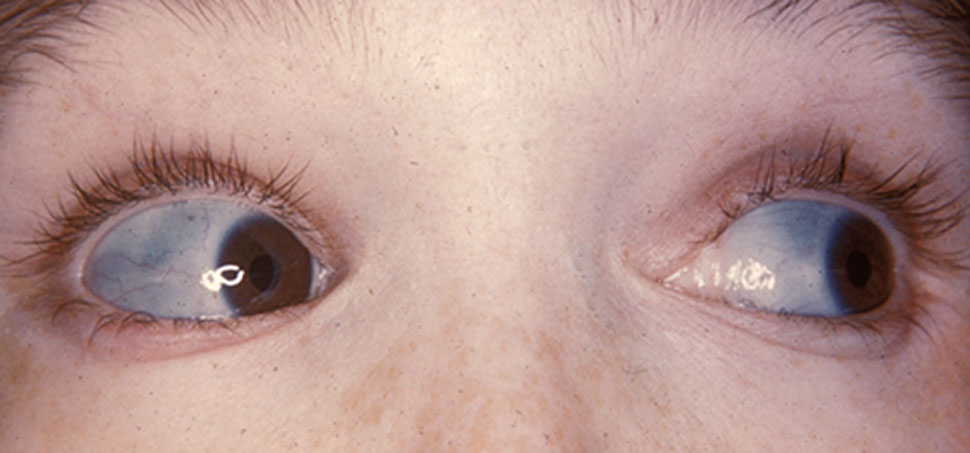
      Type Description Gene OMIM Mode of inheritance Incidence I mild Null COL1A1 allele 166200 autosomal dominant, 60% de novo [18] 1 in 30.000 [19] II severe and usually lethal in the perinatal period COL1A1 , COL1A2 , 166210 (IIA), 610854 (IIB) autosomal dominant, ~100% de novo [18] 1 in 40.000 [20] to 1 in 100.000 [19] III considered progressive and deforming COL1A1 , COL1A2 259420 autosomal dominant, ~100% de novo [18] 1 in 60.000 [19] IV deforming, but with normal sclerae most of the time COL1A1 , COL1A2 166220 autosomal dominant, 60% de novo [18] V shares the same clinical features of IV, but has unique histologic findings ("mesh-like") IFITM5 610967 autosomal dominant [18] [21] VI shares the same clinical features of IV, but has unique histologic findings ("fish scale") SERPINF1 610968 autosomal recessive [18] VII associated with cartilage associated protein CRTAP 610682 autosomal recessive [18] VIII severe to lethal, associated with the protein leprecan LEPRE1 , P3H1 610915 autosomal recessive IX PPIB autosomal recessive Type I [ edit ] Blue sclera in osteogenesis imperfecta Collagen is of normal quality but is produced in insufficient quantities. ... Most cases result in death within the first year of life due to respiratory failure or intracerebral hemorrhage Severe respiratory problems due to underdeveloped lungs Severe bone deformity and small stature Type II can be further subclassified into groups A, B, and C, which are distinguished by radiographic evaluation of the long bones and ribs. ... Thus far it seems to be limited to a First Nations people in Quebec . [25] Mutations in the gene CRTAP causes this type. [26] Type VIII [ edit ] OI caused by mutation in the gene LEPRE1 is classified as type VIII. [26] Type IX Osteogenesis imperfecta type IX (OI9) is caused by homozygous or compound heterozygous mutation in the PPIB gene on chromosome 15q22. [27] Type X Caused by homozygous mutation in the SERPINH gene on chromosome 11q13. [28] Type XI [ edit ] OI caused by mutations in FKBP10 on chromosome 17q21. [29] The mutations cause a decrease in secretion of trimeric procollagen molecules. ... Characterized by congenital bowing of the long bones, wormian bones, blue sclerae, vertebral collapse, and multiple fractures in the first years of life. [35] Others [ edit ] A family with recessive osteogenesis imperfecta has been reported to have a mutation in the TMEM38B gene on chromosome 9 . [36] This gene encodes TRIC-B, a component of TRIC, a monovalent cation -specific channel involved in calcium release from intracellular stores. ... PMID 22018338 . S2CID 30745040 . ^ Page 771 Archived 2013-06-08 at the Wayback Machine in: Chen, Harold (2006).
    • Osteogenesis Imperfecta GARD
      Depending on the genetic cause, OI may be inherited in an autosomal dominant (more commonly) or autosomal recessive pattern.
  • Apraxia Wikipedia
    This is one of the 3 major components of Balint's syndrome . [8] Causes [ edit ] Apraxia is most often due to a lesion located in the dominant (usually left) hemisphere of the brain, typically in the frontal and parietal lobes . ... It is also possible for apraxia to be caused by lesions in other areas of the brain. [11] Ideomotor apraxia is typically due to a decrease in blood flow to the dominant hemisphere of the brain and particularly the parietal and premotor areas. It is frequently seen in patients with corticobasal degeneration . [11] Ideational apraxia has been observed in patients with lesions in the dominant hemisphere near areas associated with aphasia; however, more research is needed on ideational apraxia due to brain lesions. ... Retrieved 2019-08-02 . ^ a b c "Apraxia Information Page | National Institute of Neurological Disorders and Stroke" . www.ninds.nih.gov . 2019 . ... PMID 19614961 . ^ (Manasco, 2014) ^ "NINDS Apraxia Information Page" . Retrieved 8 March 2012 . ^ Worthington, Andrew (2016).
    BCL11A, FOXP2
  • Aortic Valve Disease 3 OMIM
    In addition, the authors studied a mother and son (family 2) with aortic valve stenosis and atrial septal defect; the son also exhibited BAV with a left-to-right fusion pattern. Molecular Genetics By whole-exome sequencing in a cohort of 9 families with bicuspid aortic valve and/or thoracic aortic aneurysm (AAT), who were negative for mutation in AAT-associated genes, Gould et al. (2019) identified 2 families with heterozygous mutations in the ROBO4 gene: in family 1, a splicing mutation (607528.0001) was present in 8 affected individuals as well as in 2 unaffected family members; in family 2, an affected mother and son were heterozygous for a missense mutation (R64C; 607528.0002). ... One of the independent probands carried the same R64C missense variant that was identified in family 2; clinical details were not reported for that patient. INHERITANCE - Autosomal dominant CARDIOVASCULAR Heart - Aortic valve stenosis - Bicuspid aortic valve - Atrial septal defect (in some patients) Vascular - Aortic root aneurysm - Aneurysm of ascending aorta MISCELLANEOUS - Reduced penetrance has been observed MOLECULAR BASIS - Caused by mutation in the roundabout guidance receptor 4 gene (ROBO4, 607528.0001 ) ▲ Close
  • Autosomal Recessive Cutis Laxa Type 1 Orphanet
    Clinical description The skin manifestations affect the whole body and are usually recognizable from birth. ... Differential diagnosis The differential diagnosis should include other forms of CL (autosomal recessive type 2, autosomal dominant and X-lined CL) and related syndromes (gerodermia osteodysplastica, Cantu syndrome, wrinkly skin syndrome and De Barsy syndrome), together with the Ehlers-Danlos syndromes and Costello syndrome (see these terms).
    FBLN5, EFEMP2
  • Progressive Deafness With Stapes Fixation Orphanet
    Otosclerosis appears to be a multifactorial disease. Autosomal dominant and a low penetrance (40%) transmission is observed in familial cases. ... In osteogenesis imperfecta and Paget's disease, lesions involve the whole temporal bone and the skull, and result in thickening of the ossicles.
    • Progressive Deafness With Stapes Fixation GARD
      Progressive deafness with stapes fixation , also known as Thies Reis syndrome, is a form of conductive or mixed hearing loss caused by fixation of the stapes. The stapes is one of the tiny bones in the middle ear. It rests in the entrance to the inner ear, allowing sounds to pass to the inner ear. If it becomes fixated, sound waves cannot pass through to the inner ear, resulting in loss of hearing. This condition may be associated with a number of conditions, including otosclerosis , Paget's disease and osteogenesis imperfecta , or it may be found in isolation. It may also result from chronic ear infections ( otitis media with tympanosclerosis ).
  • Histiocytoid Cardiomyopathy Orphanet
    Mutation in cytochrome b, as well as A8344G mitochondrial DNA mutation have been described but seem to be sporadic variants. Whole Genome Expression Analysis support cluster of candidate gene at 1q21.3c, 2q12.1a and a decrease in copy number of the genes encoding S100A calcium binding protein, along with a strong decrease in interleukin 33 expression. ... Genetic counseling There is a familial tendency of 5%; however, mode of inheritance (X-linked dominant inheritance and autosomal recessive) is still debated.
    CYTB, NDUFB11, COX7B, HCCS, ATP6, ATP8, NDUFB9, S100A8, S100A9, IL1RL1, KIF20A, IL33
    • Cardiomyopathy, Infantile Histiocytoid OMIM
      A number sign (#) is used with this entry because this disorder is caused by mutation in the gene encoding mitochondrial cytochrome b (MTCYB; 516020). Description Histiocytoid cardiomyopathy, which was initially described by Voth (1962), goes by various names, including infantile xanthomatous cardiomyopathy (MacMahon, 1971), focal lipid cardiomyopathy (Bove and Schwartz, 1973), oncocytic cardiomyopathy (Silver et al., 1980), infantile cardiomyopathy with histiocytoid change (Ferrans et al., 1976), and foamy myocardial transformation of infancy (Yatani et al., 1988). The disorder is a rare but distinctive entity of infancy and childhood characterized by the presence of characteristic pale granular foamy histiocyte-like cells within the myocardium. It usually affects children younger than 2 years of age, with a clear predominance of females over males. Infants present with dysrhythmia or cardiac arrest, and the clinical course is usually fulminant, sometimes simulating sudden infant death syndrome (Andreu et al., 2000).
    • Cardiac Lipidosis, Familial OMIM
      Deacon et al. (1974) described brother and sister with a form of infantile cardiomyopathy characterized by accumulation of lipid in the sarcoplasm of myocardial fibers. Only sporadic cases had been reported previously (Reid et al., 1968). In Deacon's cases onset was at birth and 4 weeks of age and death at 19 days and 4 months from congestive heart failure. Both had microcephaly. Severe mitochondrial changes were found in the myocardial fibrils in addition to the accumulation of neutral fat. The parents were thought to be nonconsanguineous. McKusick (2002) noted that these may be cases of infantile histiocytoid cardiomyopathy (500000).
  • Spondyloepimetaphyseal Dysplasia, Di Rocco Type OMIM
    X-rays at age 38 showed osteoarthropathy in the wrists and shoulders, as well as progressive spine involvement, whereas the metaphyseal lesions of the knees were no longer detectable. Molecular Genetics By whole-exome sequencing in an Italian family with spondyloepimetaphyseal dysplasia, Di Rocco et al. (2018) identified heterozygosity for a missense mutation in the UFSP2 gene (D426A; 611482.0002) that segregated with disease and was not found in controls or in public variant databases. INHERITANCE - Autosomal dominant GROWTH Height - Short stature SKELETAL Spine - Hypoplasia of anterior vertebral bodies - Slight platyspondyly Pelvis - Irregular acetabular roof Limbs - Waddling gait - Joint pain - Restricted mobility - Genua vara - Absent ossification nucleus of proximal femoral epiphysis - Irregular profile of femoral neck - Irregular acetabular roof - Metaphyseal dysplasia of distal femur - Metaphyseal dysplasia of proximal tibia - Osteoarthropathy of shoulders - Osteoarthropathy of wrists Hands - Delayed carpal bone age MISCELLANEOUS - Based on report of 1 family (last curated May 2018) MOLECULAR BASIS - Caused by mutation in the UFM1-specific peptidase-2 gene (UFSP2, 611482.0002 ) ▲ Close
    UFSP2
  • Arthrogryposis, Cleft Palate, Craniosynostosis, And Impaired Intellectual Development OMIM
    Molecular Genetics In 2 patients with ACCIID, Mizuguchi et al. (2018) identified de novo heterozygous mutations in the autoinhibitory domain of the PPP3CA gene (114105.0007-114105.0008). The mutations were found by whole-exome sequencing and confirmed by Sanger sequencing. Using a yeast model, the mutations were found to be constitutively activating. INHERITANCE - Autosomal dominant GROWTH Height - Short stature (-4.4 to -5 SD) Weight - Low weight (-2.9 to -4 SD) HEAD & NECK Head - Plagiocephaly - Trigonocephaly Face - Micrognathia Mouth - Cleft palate CHEST Ribs Sternum Clavicles & Scapulae - Slender ribs GENITOURINARY Kidneys - Hydronephrosis Ureters - Vesicoureteral reflux SKELETAL - Gracile bones - Perinatal fractures - Arthrogryposis - Tubular bones Skull - Craniosynostosis Hands - Brachydactyly NEUROLOGIC Central Nervous System - Intellectual disability, moderate to severe (DQ
    PPP3CA
  • ←
  • 1
  • 2
  • ...
  • 45
  • 46
  • 47
  • 48
  • 49
  • 50
  • 51
  • ...
  • 589
  • 590
  • →

FindZebra

contact@findzebra.com