• FindZebra
  • About
  • Contact
  • Help
  • Login
Deep Research Advanced
  • Trilateral Retinoblastoma Wikipedia
    PMID 10561222 . ^ De Jong MC, Kors WA, De Graaf P, Castelijns JA, Kivelä T, Moll AC (September 2014).
    RB1, MYCN, STK11
  • Plague Of Justinian Wikipedia
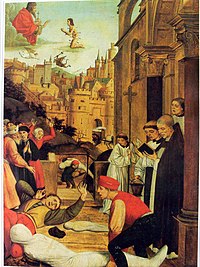
    During the disease's four returns in his lifetime, he lost his wife, a daughter and her child, other children, most of his servants and people from his country estate. [18] According to contemporary sources, the outbreak in Constantinople was thought to have been carried to the city by infected rats on grain ships arriving from Egypt . [16] To feed its citizens, the city and outlying communities imported large amounts of grain, mostly from Egypt. ... Justinian's Flea: Plague, Empire, and the Birth of Europe . New York City: Viking Adult . p. 3. ISBN 978-0-670-03855-8 . ^ "The Plague of Justinian". ... "Europe's Plagues Came From China, Study Finds" . The New York Times . New York City: New York Times Company . Retrieved November 1, 2010 . ^ John of Ephesus, Ecclesiastical History, part 2. ... Justinian's Flea: Plague, Empire, and the Birth of Europe . New York City: Viking Adult . pp. 321–322. ISBN 978-0-670-03855-8 . ^ Charles-Edwards, Wales and the Britons , p. 216 ^ Russell, Josiah C. (1968). ... Mango, Byzantium: The Empire of New Rome (1980) emphasizes the demographic effects; Mark Whittow, "Ruling the late Roman and Byzantine city", Past and Present 33 (1990) argues against too great reliance on literary sources.
  • Cabin Fever Wikipedia
    Irritability and restlessness upon isolated confinement for a long period of time For other uses, see Cabin fever (disambiguation) . Interior of Fure's Cabin in Alaska , U.S.
  • Haemolacria Wikipedia
    "Médicos investigam caso de garota que 'chora' sangue no interior de SP" . ^ "WATCH: Tears Of Blood?"
  • Traumatic Cardiac Arrest Wikipedia
    References [ edit ] ^ Hunt PA, Greaves I, Owens WA (January 2006). "Emergency thoracotomy in thoracic trauma-a review".
  • Psammoma Body Wikipedia
    CS1 maint: multiple names: authors list ( link ) ^ Hallman KB, Nahhas WA, Connelly PJ (September 1991). "Endosalpingiosis as a source of psammoma bodies in a Papanicolaou smear.
  • Singleton Merten Syndrome Wikipedia
    You can help by adding to it . ( August 2017 ) Sources [ edit ] Singleton, EB, Merten DF: An unusual syndrome of widened medullary cavities of the metacarpals and phalanges, aortic calcification and abnormal dentition, Pediatric Radiol 1:2, 1973. [1] Resources form the National Institutes of Health [2] WebMD information References [ edit ] ^ Ferreira CR, Crow YJ, Gahl WA, Gardner PJ, Goldbach-Mansky R, Hur S, de Jesús AA, Nehrebecky M, Park JW, Briggs TA (2018) DDX58 and classic Singleton-Merten syndrome.
    IFIH1, DDX58, PLAAT4, ROBO3, IFNA1, IFNA13, NFATC4, G3BP1
    • Singleton-Merten Syndrome GARD
      Singleton-Merten syndrome is a very rare disease that affect many organs. The main features are tooth abnormalities with gum infection; calcifications in the aorta artery and in certain valves of the heart (i.e., aortic and mitral valves); and progressive thinning and weakening of the bones (osteoporosis), especially in the upper and back portions of the skull. Other findings may include neurologic problems, generalized short stature, muscle weakness; poor muscle tone (hypotonia); progressive wasting of the muscles ( muscle atrophy ); heart arrhythmia, growth and developmental delay; skin problems such as psoriasis; malformation of the hips and/or feet and limbs or fingers, joint problems, tendon rupture, distinct facial features, and vision problems due to glaucoma. Severe systemic lupus erythematosus can also occur with Singleton-Merten syndrome. Singleton-Merten syndrome is caused by mutations in the IFIH1 gene, and in the DDX58 genes (which causes anatypical form of Singleton-Merten syndrome where there are no teeth problems).
    • Singleton-Merten Syndrome 2 OMIM
      A number sign (#) is used with this entry because of evidence that Singleton-Merten syndrome-2 (SGMRT2) is caused by heterozygous mutation in the DDX58 gene (609631) on chromosome 9p21. Description Singleton-Merten syndrome-2 is characterized by variable expression of glaucoma, aortic calcification, and skeletal abnormalities, without dental anomalies (summary by Jang et al., 2015). For a general phenotypic description and discussion of genetic heterogeneity of Singleton-Merten syndrome, see SGMRT1 (182250). Clinical Features Jang et al. (2015) studied a large 4-generation Korean family with aortic calcification, glaucoma, and skeletal abnormalities. The 56-year-old proband was diagnosed with bilateral glaucoma at 6 years of age and was blind by age 17.
    • Singleton-Merten Syndrome 1 OMIM
      A number sign (#) is used with this entry because of evidence that Singleton-Merten syndrome-1 (SGMRT1) is caused by heterozygous mutation in the IFIH1 gene (606951) on chromosome 2q24. Description Singleton-Merten syndrome (SGMRT) is an uncommon autosomal dominant disorder characterized by abnormalities of blood vessels, teeth, and bone. Calcifications of the aorta and aortic and mitral valves occur in childhood or puberty and can lead to early death. Dental findings include delayed primary tooth exfoliation and permanent tooth eruption, truncated tooth root formation, early-onset periodontal disease, and severe root and alveolar bone resorption associated with dysregulated mineralization, leading to tooth loss. Osseous features consist of osteoporosis, either generalized or limited to distal extremities, distal limb osteolysis, widened medullary cavities, and easy tearing of tendons from bone.
    • Singleton-Merten Dysplasia Orphanet
      Singleton-Merten dysplasia is characterized by dental dysplasia, progressive calcification of the thoracic aorta with stenosis, osteoporosis and expansion of the marrow cavities in hand bones. Additional features included generalized muscle weakness and atrophy, and chronic psoriasiform skin eruptions. It has been reported in four unrelated patients (male and female) and in a family with multiple affected members (male).
  • Neurofibromatosis Wikipedia
    .; Fong, Chin-To (eds.). Neurofibromatosis 1 . Seattle (WA): University of Washington, Seattle. ... Pagon, Roberta A.; Adam, Margaret P.; Ardinger, Holly H.; Wallace, Stephanie E.; Amemiya, Anne; Bean, Lora J.H.; Bird, Thomas D.; Dolan, Cynthia R.; Fong, Chin-To (eds.). Legius Syndrome . Seattle (WA): University of Washington, Seattle.
    NF1, NF2
    • Neurofibromatosis, Type Iv, Of Riccardi OMIM
      Riccardi (1982) described cases of neurofibromatosis that are sufficiently variant that they seem to warrant separation from the classic von Recklinghausen NF I (162200), the acoustic neuroma type, NF II (101000), and the mixed type, NF III (162260). The group still is undoubtedly heterogeneous. Iris Lisch nodules, one of the most specific features of NF I, are usually absent in NF IV. The importance of a separate category for these cases is related to the probable difference in prognosis and genetic counseling and the desirability of avoiding confusion of studies of the natural history and pathogenesis of NF I. Eyes - Iris Lisch nodules usually absent Inheritance - Autosomal dominant - heterogeneous Skin - Atypical neurofibromatosis ▲ Close
  • Repeated Implantation Failure Wikipedia
    .; Liu, Fenghua; Demirol, Aygul; Gurgan, Timur; Cutting, R.; Ong, K.; Sallam, H.
  • First Red Scare Wikipedia
    He personally oversaw their deployment throughout the city. [9] "The time has come," he said, "for the people in Seattle to show their Americanism ... ... On April 30, a post office employee in New York City recognized 16 packages by their wrapping and interrupted their delivery. ... The Salt Lake City Tribune did not think anyone had a right to march. ... September 10, the first full day of the strike, was also the day a huge New York City parade celebrated the return of Gen. ... After strikebreakers and police clashed with unionists in Gary, Indiana , the U.S. Army took over the city on October 6, 1919, and martial law was declared.
  • Spanish Flu Wikipedia
    In the United States, isolated outbreaks occurred in some cities including Los Angeles, [52] New York City, [53] Memphis, Nashville, San Francisco and St. Louis. [54] Overall American mortality rates were in the tens of thousands during the first six months of 1919. [55] Fourth wave of 1920 In spring 1920, a fourth wave occurred in isolated areas including New York City, [53] Switzerland, Scandinavia, [56] and some South American islands. [57] New York City alone reported 6,374 deaths between December 1919 and April 1920, almost twice the number of the first wave in spring 1918. [53] Other US cities including Detroit, Milwaukee, Kansas City, Minneapolis and St. ... In Philadelphia, for example, 4,597 people died in the week ending 16 October, but by 11 November, influenza had almost disappeared from the city. One explanation for the rapid decline in the lethality of the disease is that doctors became more effective in the prevention and treatment of pneumonia that developed after the victims had contracted the virus. ... However, this 1991 study was criticized by later studies due to flawed methodology, and newer studies have published estimates of a far lower mortality rate in China. [73] [175] [74] For instance, Iijima in 1998 estimates the death toll in China to be between 1 and 1.28 million based on data available from Chinese port cities. [176] The lower estimates of the Chinese death toll are based on the low mortality rates that were found in Chinese port cities (for example, Hong Kong) and on the assumption that poor communications prevented the flu from penetrating the interior of China. [172] However, some contemporary newspaper and post office reports, as well as reports from missionary doctors, suggest that the flu did penetrate the Chinese interior and that influenza was severe in at least some locations in the countryside of China. [157] Although medical records from China's interior are lacking, extensive medical data was recorded in Chinese port cities, such as then British -controlled Hong Kong , Canton , Peking , Harbin and Shanghai . These data were collected by the Chinese Maritime Customs Service , which was largely staffed by non-Chinese foreigners, such as the British, French, and other European colonial officials in China. [177] As a whole, accurate data from China's port cities show astonishingly low mortality rates compared to other cities in Asia . [177] For example, the British authorities at Hong Kong and Canton reported a mortality rate from influenza at a rate of 0.25% and 0.32%, much lower than the reported mortality rate of other cities in Asia , such as Calcutta or Bombay , where influenza was much more devastating. [177] [74] Similarly, in the city of Shanghai – which had a population of over 2 million in 1918 – there were only 266 recorded deaths from influenza among the Chinese population in 1918. [177] If extrapolated from the extensive data recorded from Chinese cities, the suggested mortality rate from influenza in China as a whole in 1918 was likely lower than 1% – much lower than the world average (which was around 3–5%). [177] In contrast, Japan and Taiwan had reported a mortality rate from influenza around 0.45% and 0.69% respectively, higher than the mortality rate collected from data in Chinese port cities, such as Hong Kong (0.25%), Canton (0.32%), and Shanghai. [177] Patterns of fatality A nurse wears a cloth mask while treating a patient in Washington, DC The pandemic mostly killed young adults.
  • Hiv/aids In Malawi Wikipedia
    Prevalence of HIV/AIDS in adult (ages 15–49) populations (1999–2002) As of 2012 [update] , approximately 1,100,000 people in Malawi are HIV-positive , which represents 10.8% of the country's population. [1] Because the Malawian government was initially slow to respond to the epidemic under the leadership of Hastings Banda (1966–1994), the prevalence of HIV/AIDS increased drastically between 1985, when the disease was first identified in Malawi, and 1993, when HIV prevalence rates were estimated to be as high as 30% among pregnant women. [1] The Malawian food crisis in 2002 resulted, at least in part, from a loss of agricultural productivity due to the prevalence of HIV/AIDS. [1] Various degrees of government involvement under the leadership of Bakili Muluzi (1994–2004) and Bingu wa Mutharika (2004–2012) resulted in a gradual decline in HIV prevalence, and, in 2003, many people living in Malawi gained access to antiretroviral therapy . [1] Condoms have become more widely available to the public through non-governmental organizations, and more Malawians are taking advantage of HIV testing services . [1] Due to several successful television and radio campaigns by the Malawian government and non-governmental organizations in Malawi, levels of awareness regarding HIV/AIDS are high among the general population. [2] However, many men have adopted fatalistic attitudes in response to the epidemic, convincing themselves that death from AIDS is inevitable; on the other hand, some have implemented preventive techniques such as partner selection to try to reduce their risk of infection. [3] Although many women have developed strategies to protect themselves from HIV, women are more likely to be HIV-positive than men in Malawi. [1] The epidemic has affected sexual relationships between partners, who must cooperate to protect themselves from the disease. [4] In addition, many teachers exclude HIV/AIDS from their curricula because they are uncomfortable discussing the topic or because they do not feel knowledgeable about the issue, and, therefore, many children are not exposed to information about HIV/AIDS at school. [5] Finally, the epidemic has produced significant numbers of orphans in Malawi, leaving children vulnerable to abuse and exploitation . [6] Contents 1 History 2 Awareness and risk perception 3 Education 4 Affected groups 4.1 Men 4.2 Women 4.3 Children 5 Marriage and relationships 6 Economic impact 7 Impact on health services 8 Interventions 8.1 Antiretroviral therapy 8.2 Condom distribution 8.3 Voluntary counseling and testing 9 See also 10 References History [ edit ] Bingu wa Mutharika, third President of Malawi (2004–2012) The first case of HIV/AIDS in Malawi was reported at Lilongwe's Kamuzu Central Hospital in 1985. [7] President Hastings Banda , who was in power at the time, responded with several small-scale prevention initiatives and created the National AIDS Control Programme, a division of the Ministry of Health , to manage the growing epidemic. [1] Banda believed that issues relating to sex, including HIV transmission, should not be addressed in the public sphere; during this time, it was illegal for Malawian citizens to discuss the epidemic openly. [8] In 1989, Banda introduced a five-year World Bank Medium Term Plan to combat the epidemic, but HIV prevalence had already increased drastically at this point. [1] In 1994, when Bakili Muluzi became president, he addressed the nation's need for a coordinated response to the HIV/AIDS epidemic. [1] In 2000, Muluzi introduced another five-year policy known as the National Strategic Framework, but, like Banda's five-year World Bank Medium Term Plan, this plan was largely ineffective. [1] In 2001, in response to problems within the National AIDS Control Programme established by Banda, Muluzi created the National AIDS Commission. [1] Unlike Banda, who prevented the public from accessing information about the epidemic, Muluzi ensured that information about HIV/AIDS was available on the radio and television, in newspapers, and on billboards. [8] However, despite Muluzi's efforts, HIV prevalence was already significantly influencing national agricultural productivity during this period, and Malawi experienced an AIDS-related nationwide famine in 2002. [1] Malawians gained access to antiretroviral drugs in 2003, and, with a donation from the Global Fund to Fight AIDS, Tuberculosis, and Malaria and the election of new President Bingu wa Mutharika in 2004, government interventions increased substantially. [1] However, soon after his election, Mutharika experienced tensions with Muluzi after implementing an anti-corruption program, which distracted the government from addressing the nation's food and HIV/AIDS-related crises. [9] Despite these obstacles, Mutharika successfully developed a National AIDS Policy and appointed a Principal Secretary for HIV/AIDS during his presidency. [1] Awareness and risk perception [ edit ] Partners in Health worker with disease treatment literature in Malawi Despite Malawi's limited health and educational infrastructure, knowledge regarding HIV/AIDS is high among many people living in both urban and rural Malawi. [2] According to a 2004 study by Barden-O'Fallon et al. involving 100 households, women in Malawi are most likely to learn about HIV/AIDS through radio and television, health workers at local clinics, and female members of their social networks. [2] Men are also likely to access information about HIV/AIDS through radio and television; however, unlike women, they are not likely to gain information about HIV/AIDS from their male friends. [2] When 57 Malawian men were interviewed in 2003, 100% of them said they had heard about the HIV/AIDS epidemic on the radio, and 84.2% of them said they had learned about HIV/AIDS during their visits to local health facilities; this supports the fact that many people in Malawi have access to information about the epidemic, both through the radio and other sources. [8] Personal traits such as age, gender, location, and education correlate, either positively or negatively, with HIV/AIDS awareness levels. ... According to a 2003 study by Eliya Msiyaphazi Zulu and Gloria Chepngeno, although higher levels of education do correspond to greater knowledge about HIV/AIDS, education levels do not significantly impact the likelihood that couples will discuss HIV-related prevention strategies. [13] Economic impact [ edit ] Farmers with composting materials in Malawi A 2002 study conducted by CARE International across three districts in the Central Region of Malawi considers how HIV/AIDS has affected economic well-being in rural Malawi. [14] When skilled laborers are infected with HIV, they are usually unable to work; therefore, they often shift agricultural production on their land to less labor-intensive crops, sacrificing the opportunity to grow more profitable, labor-intensive crops such as tobacco . [15] When family members fall ill with HIV/AIDS, their relatives invest time in their treatment and care, further reducing household productivity. [14] In addition, when family members are infected with HIV, households often use the money they would normally invest in agriculture to cover medical expenses, further decreasing economic stability at the household level. [14] Finally, when adults contract HIV, their children often remain home from school to work in the fields, threatening long-term productivity and economic advancement in Malawi. [15] CARE International proposes several strategies that might reduce the destructive economic impact of HIV/AIDS on rural households . [14] They recommend introducing new technologies that improve productivity to allow households affected by HIV/AIDS to continue supporting themselves through agriculture. [14] Women in patrilineal / patrilocal villages are often unable to support themselves and their children when their husbands die of HIV/AIDS; therefore, helping women acquire traditionally masculine agricultural skills might decrease their vulnerability while improving agricultural productivity at the household and community levels. [14] CARE International recommends increasing cooperation at the community level by establishing labor and food banks in areas that have been devastated by the HIV/AIDS epidemic. [14] Finally, CARE International highlights the importance of increasing access to information about HIV/AIDS in Malawi to help families prepare for and cope with the economic burdens associated with the epidemic. [14] Impact on health services [ edit ] The HIV/AIDS epidemic in Malawi has been characterized by drastic declines in the number of health workers available to provide treatment and care and increasing strain on health services: more than half of all hospital admissions in Malawi are related to HIV/AIDS. [16] However, Malawi currently faces a significant deficit in human resources : only 159 doctors were practicing in Malawi in 2007. [17] The World Health Organization 's Essential Health Package recommends placing at least three health workers at every health facility in the country, but the vast majority of Malawi's health facilities fail to meet this standard. [17] While migration to more developed countries in search of better opportunities, also known as " brain drain ," is partially responsible for the shortage of health care workers in Malawi, many health care workers have been personally affected by the HIV/AIDS epidemic; in fact, an average of 48 nurses die of HIV/AIDS in Malawi every year. [1] The HIV/AIDS epidemic has resulted in high levels of absenteeism among health workers in Malawi, who often leave work to spend time with HIV-positive friends or relatives, and the Malawian government has failed to respond to the declining number of full-time employees working in the health sector. [16] Health workers who are not chronically absent frequently abandon their jobs because they are unable to cope with the heavy patient loads or because they are afraid that working in a medical environment will increase their risk of becoming infected with HIV. [16] Malawi has adopted task shifting strategies to overcome the shortage of workers available for HIV/AIDS treatment and care. [17] Task shifting, which has been successful in many other regions, involves training less specialized health workers to perform health-related tasks that do not require professional training, such as the initiation of antiretroviral therapy . [17] For example, at Thyolo District Hospital , health workers spend one week learning how to initiate antiretroviral therapy in a classroom setting and an additional two weeks practicing their knowledge in a supervised clinical setting; after completing this course, they are legally (under Ministry of Health guidelines) allowed to initiate antiretroviral therapy. [17] Another form of task shifting involves training health-oriented counselors in HIV testing and counseling , which relieves nurses of this additional task. [17] Interventions [ edit ] Malawi has taken many steps towards slowing the spread of HIV/AIDS, such as increasing access to condoms and improving testing services and treatment options. [1] Many of these efforts have been funded by international donors including the World Bank , the Global Fund , the World Health Organization , the President's Emergency Plan for AIDS Relief (PEPFAR), and the Joint United Nations Programme on HIV and AIDS (UNAIDS). [1] The World Bank has lent $407.9 million to Malawi, the Global Fund has agreed to give $390 million, and PEPFAR has donated $25 million for prevention and treatment campaigns. [1] Antiretroviral therapy [ edit ] The number of people using antiretroviral therapy in Malawi has increased dramatically in the past decade: between 2004 and 2011, an estimated 300,000 people gained access to antiretroviral treatment. [1] In addition to improving access to antiretroviral therapy, in 2008, Malawi introduced the World Health Organization 's treatment guidelines for antiretroviral therapy, which improved the quality of treatment available to Malawians. [1] However, Malawi's proposal for a new antiretroviral treatment plan in 2011, which would have cost $105 million per year, was rejected by the Global Fund , threatening Malawi's ability to continue expanding access to antiretroviral treatment. [1] In 2000, Malawi's Ministry of Health and Population began developing a plan to distribute antiretroviral drugs to the population, and, as of 2003, there were several sites providing antiretroviral drugs in Malawi. [16] The Lighthouse, a trust in Lilongwe that fights HIV/AIDS, provides antiretroviral drugs at a cost of 2,500 kwacha per month. [16] Queen Elizabeth Central Hospital in Blantyre provides antiretroviral therapy through its outpatient department, and Médecins Sans Frontières distributes antiretroviral drugs to patients for free in the Chiradzulu and Thyolo Districts. [16] Many different private providers sell antiretroviral drugs, particularly in cities; however, very few patients can afford to receive drugs from the private sector in Malawi. [16] In addition, private providers are not currently required to obtain certification before selling antiretroviral drugs, and, therefore, this practice is not closely monitored. [16] Finally, some employees receive access to antiretroviral drugs through the health insurance policies provided by their employers, but this practice is not widespread. [16] Due to the advent of antiretroviral drugs, HIV/AIDS has become a manageable disease for people who can access and afford treatment; however, antiretroviral therapy remains largely unaffordable and inaccessible to most people in Malawi. [16] For example, the South East region of Malawi has disproportionately low access to antiretroviral drugs. [1] In many rural areas, poor health infrastructure combined with widespread famine have made sustained, high-quality antiretroviral therapy difficult or impossible. [1] In addition, donations from the Global Fund to Fight AIDS, Tuberculosis, and Malaria were used to fund antiretroviral therapy programs that distributed medication on a "first-come, first-served" basis, making the drugs more accessible to the male, urban, educated population. [16] Because there are no explicit policies regarding the fair distribution of antiretroviral drugs in Malawi, individual health care workers often become responsible for deciding who will receive treatment, which inevitably leads to inequitable distribution. [16] Condom distribution [ edit ] Although condoms effectively prevent the sexual transmission of HIV, several factors have limited widespread condom distribution and uptake in Malawi. [1] People living in non-urban areas often have difficulty accessing condoms, and condoms are not typically available at bars and other social locations where they could have a significant impact on HIV prevention. [1] Many people oppose condoms because they believe that condoms make sex less enjoyable or because they question their ability to prevent the transmission of HIV. [1] However, despite these factors, many unmarried couples have started using condoms more consistently as concern and fear about the HIV/AIDS epidemic have increased. [4] Non-governmental organizations such as Population Services International (Malawi), an organization that strives to improve the health of Malawians, and Banja La Mtsogolo, an organization that distributes information and resources related to family planning , have conducted campaigns advertising condom use as an effective form of protection against HIV/AIDS. [1] Banja La Mtsogolo provides condoms to both men and women, and has significantly improved the availability of condoms for women in particular. [1] Because of efforts by Population Services International, Banja La Mtsogolo, and many other organizations, condoms have become more widely available to many people in Malawi. [1] Voluntary counseling and testing [ edit ] People living in areas with high rates of HIV/AIDS face several psychological barriers when deciding whether to undergo testing for HIV . [1] For example, people may prefer not to know if they are HIV-positive because, due to the obstacles they often face in gaining access to antiretroviral drugs, many view HIV/AIDS diagnoses as death sentences. [1] Others may simply believe that they are HIV-negative, either because they practice strict monogamy and consistently use condoms during sexual intercourse or because they are in denial about the prevalence of the disease. [1] However, despite these barriers, both mobile and static testing services have become more widely available in Malawi recently: 1,392 testing and counseling sites existed in 2011. [1] Certain non-governmental organization such as the Malawi AIDS Counseling and Resource Organisation (MACRO) provide door-to-door counseling and testing services, which have drastically improved the accessibility of HIV testing. [7] See also [ edit ] Malawi portal Viruses portal Sub-Saharan Africa HIV/AIDS in Africa Diseases of poverty Epidemiology of HIV/AIDS Misconceptions about HIV and AIDS AIDS orphan Healthcare in Malawi Sex for Fish References [ edit ] ^ a b c d e f g h i j k l m n o p q r s t u v w x y z aa ab ac ad ae af ag ah ai aj "HIV & AIDS in Malawi" . ... S2CID 33739153 . v t e HIV/AIDS in Africa Sovereign states Algeria Angola Benin Botswana Burkina Faso Burundi Cameroon Cape Verde (Cabo Verde) Central African Republic Chad Comoros Democratic Republic of the Congo Republic of the Congo Djibouti Egypt Equatorial Guinea Eritrea Eswatini (Swaziland) Ethiopia Gabon The Gambia Ghana Guinea Guinea-Bissau Ivory Coast (Côte d'Ivoire) Kenya Lesotho Liberia Libya Madagascar Malawi Mali Mauritania Mauritius Morocco Mozambique Namibia Niger Nigeria Rwanda São Tomé and Príncipe Senegal Seychelles Sierra Leone Somalia South Africa South Sudan Sudan Tanzania Togo Tunisia Uganda Zambia Zimbabwe States with limited recognition Sahrawi Arab Democratic Republic Somaliland Dependencies and other territories Canary Islands / Ceuta / Melilla (Spain) Madeira (Portugal) Mayotte / Réunion (France) Saint Helena / Ascension Island / Tristan da Cunha (United Kingdom) v t e HIV / AIDS topics HIV/AIDS HIV HIV Lentivirus structure and genome subtypes CDC classification disease progression rates HIV/AIDS diagnosis management pathophysiology prevention research vaccination PrEP WHO disease staging system for HIV infection and disease Children Teens / Adults Countries by AIDS prevalence rate Conditions Signs and symptoms AIDS-defining clinical condition Diffuse infiltrative lymphocytosis syndrome Lipodystrophy Nephropathy Neurocognitive disorders Pruritus Superinfection Tuberculosis co-infection HIV Drug Resistance Database Innate resistance to HIV Serostatus HIV-positive people Nutrition Pregnancy History History Epidemiology Multiple sex partners Timeline AIDS Museum Timothy Ray Brown Women and HIV/AIDS Social AIDS orphan Catholic Church and HIV/AIDS Circumcision and HIV Criminal transmission Discrimination against people Economic impact Cost of treatment HIV-affected community HIV/AIDS activism HIV/AIDS denialism Red ribbon Safe sex Sex education List of HIV-positive people People With AIDS Self-Empowerment Movement HIV/AIDS in the porn industry Culture Discredited HIV/AIDS origins theories International AIDS Conference International AIDS Society Joint United Nations Programme on HIV/AIDS (UNAIDS) Media portrayal of HIV/AIDS Misconceptions about HIV/AIDS President's Emergency Plan for AIDS Relief (PEPFAR) The SING Campaign Solidays Treatment Action Campaign World AIDS Day YAA/Youthforce "Free Me" Larry Kramer Gay Men's Health Crisis ACT UP Silence=Death Project HIV/AIDS pandemic by region / country Africa Angola Benin Botswana Democratic Republic of the Congo Egypt Eswatini Ethiopia Ghana Guinea Côte d'Ivoire (Ivory Coast) Kenya Lesotho Madagascar Malawi Mali Mozambique Namibia Niger Nigeria Rwanda Senegal Tanzania South Africa Uganda Zambia Zimbabwe North America Canada Mexico El Salvador Guatemala Honduras Nicaragua United States New York City Caribbean Haiti Jamaica Dominican Republic South America Bolivia Brazil Colombia Guyana Peru Asia Afghanistan Armenia Azerbaijan Bahrain Bangladesh Bhutan Cambodia China (PRC) ( Yunnan ) East Timor India Indonesia Iran Iraq Japan Jordan North Korea Laos Malaysia Myanmar (Burma) Nepal Pakistan Philippines Saudi Arabia Sri Lanka Taiwan (ROC) Thailand United Arab Emirates Turkey Vietnam Europe United Kingdom Russia Ukraine Oceania Australia New Zealand Papua New Guinea List of countries by HIV/AIDS adult prevalence rate List of HIV/AIDS cases and deaths registered by region
  • Empty Sella Syndrome Wikipedia
    Primary empty sella syndrome occurs when a small anatomical defect above the pituitary gland increases pressure in the sella turcica and causes the gland to flatten out along the interior walls of the sella turcica cavity. [3] Primary empty sella syndrome is associated with obesity and increase in intracranial pressure in women. [9] In most cases, especially in people with primary empty sella syndrome, there are no symptoms and it does not affect life expectancy or health.
    VSX1, GH1, IGF1, PRL
    • Empty Sella Syndrome GARD
      Empty sella syndrome (ESS) is a condition that involves the sella turcica, a bony structure at the base of the brain that protects the pituitary gland . There is a primary and secondary form of the condition. The primary form occurs when a structural defect above the pituitary gland increases pressure in the sella turcica and causes the gland to flatten. The secondary form occurs when the pituitary gland is damaged due to injury, a tumor, surgery or radiation therapy. Some people with ESS have no symptoms. People with secondary ESS may have symptoms of decreased pituitary function such as absence of menstruation, infertility, fatigue, and intolerance to stress and infection. In children, ESS may be associated with early onset of puberty, growth hormone deficiency, pituitary tumors, or pituitary gland dysfunction.
  • Abortion In Cameroon Wikipedia
    Abortion in Cameroon is only legal if the abortion will save the woman's life, the pregnancy gravely endangers the woman's physical or mental health, or the pregnancy is a result of rape . [1] Statistics [ edit ] In 1997, a survey in Yaoundé found 20 percent of women aged 20–29 had had at least one abortion. [2] [3] 80 percent of these procedures took place in a medical facility, but they were not always safe, and women often faced complications. [2] The odds that a pregnant woman would seek an abortion were increased if they were educated or had children. [2] Of women reporting past abortions, 40% had two or more. [2] The survey found that 35% of all reported pregnancies in the capital city ended in abortion. [3] Access to reproductive health care [ edit ] In 1990, the Cameroon government passed Act No. 90/035 to prohibit birth control education. [4] Reports found that abortion and secretive reproductive health services were widespread and made up 40 percent of OB/GYN emergency admissions. [4] However, most access to abortion clinics were limited to urban centers within the country. [4] References [ edit ] ^ Division, United Nations Dept of Economic and Social Affairs Population; population, Nations Unies Division de la (2001). ... Retrieved 21 June 2016 . v t e Abortion in Africa Sovereign states Algeria Angola Benin Botswana Burkina Faso Burundi Cameroon Cape Verde (Cabo Verde) Central African Republic Chad Comoros Democratic Republic of the Congo Republic of the Congo Djibouti Egypt Equatorial Guinea Eritrea Eswatini (Swaziland) Ethiopia Gabon The Gambia Ghana Guinea Guinea-Bissau Ivory Coast (Côte d'Ivoire) Kenya Lesotho Liberia Libya Madagascar Malawi Mali Mauritania Mauritius Morocco Mozambique Namibia Niger Nigeria Rwanda São Tomé and Príncipe Senegal Seychelles Sierra Leone Somalia South Africa South Sudan Sudan Tanzania Togo Tunisia Uganda Zambia Zimbabwe States with limited recognition Sahrawi Arab Democratic Republic Somaliland Dependencies and other territories Canary Islands / Ceuta / Melilla (Spain) Madeira (Portugal) Mayotte / Réunion (France) Saint Helena / Ascension Island / Tristan da Cunha (United Kingdom) v t e Human rights in Cameroon Subjects Child marriage Human trafficking LGBT rights Polygamy See also Abortion Corruption Demographics v t e Cameroon articles History Baka Mandara kingdom Colonial governors Kamerun West Africa Campaign (World War I) Kamerun Campaign French Cameroons British Cameroons Union of the Peoples of Cameroon Geography Cities Climate Divisions Regions Rivers Wildlife Politics Constitution Corruption Elections Human rights LGBT rights Foreign relations Law enforcement Military Political parties President list Prime Minister list Economy Agriculture Currency Companies Mining Telecommunications Tourism Transport Culture Abortion Child marriage Cuisine Demographics Education Ethnic groups Flag Health Human trafficking Languages Media Music Polygamy Public holidays Refugees Religion Sport Outline Index Category Portal This abortion -related article is a stub .
  • Axial Osteomalacia Wikipedia
    Find sources: "Axial osteomalacia" – news · newspapers · books · scholar · JSTOR ( March 2010 ) Axial osteomalacia Axial osteomalacia is inherited in an autosomal dominant manner Specialty Orthopedic Axial osteomalacia is a rare osteosclerotic disorder characterized by axial skeleton pain , coarsening of the trabecular bone pattern on radiographs of the axial but not appendicular skeleton . [1] References [ edit ] ^ Whyte MP, Fallon MD, Murphy WA, Teitelbaum SL (December 1981). "Axial osteomalacia.
    • Axial Osteomalacia OMIM
      Axial osteomalacia is a rare osteosclerotic disorder first described by Frame et al. (1961). Characteristically, trabecular bone has 'a unique coarsening and spongelike appearance in the x-rays of the axial skeleton.' Radiographically, the skull and appendicular skeleton are normal. Vague chronic axial skeletal pain is the presenting symptom in most patients. Despite osteosclerosis and normal circulating levels of calcium, inorganic phosphate and alkaline phosphatase, bone biopsy specimens show osteomalacia. Until the report of Whyte et al. (1981), 10 cases had been described, all in middle-aged or elderly white men.
  • Familial Isolated Vitamin E Deficiency Wikipedia
    .; Ledbetter, Nikki; Mefford, Heather C. (eds.). GeneReviews . Seattle (WA): University of Washington, Seattle.
    TTPA, APOB, APOA1, FXN, SH3BP4, ZFP36, SETX, APTX, COQ8A, COPRS, RRS1, AFP, TNF, NOS3, MTHFR, IL6, GNB3, SRR
    • Ataxia With Vitamin E Deficiency MedlinePlus
      Ataxia with vitamin E deficiency is a disorder that impairs the body's ability to use vitamin E obtained from the diet. Vitamin E is an antioxidant, which means that it protects cells in the body from the damaging effects of unstable molecules called free radicals. A shortage (deficiency) of vitamin E can lead to neurological problems, such as difficulty coordinating movements (ataxia) and speech (dysarthria), loss of reflexes in the legs (lower limb areflexia), and a loss of sensation in the extremities (peripheral neuropathy). Some people with this condition have developed an eye disorder called retinitis pigmentosa that causes vision loss. Most people who have ataxia with vitamin E deficiency start to experience problems with movement between the ages of 5 and 15 years.
    • Vitamin E, Familial Isolated Deficiency Of OMIM
      A number sign (#) is used with this entry because of evidence that ataxia with vitamin E deficiency (AVED) is caused by homozygous or compound heterozygous mutation in the TTPA gene (600415) on chromosome 8q12. Clinical Features Harding et al. (1985) described a young woman with spinocerebellar degeneration thought to be due to a selective defect in vitamin E absorption. There was no evidence of fat malabsorption. Binder et al. (1967) suggested a relationship between neurologic dysfunction and vitamin E deficiency in patients with chronic steatorrhea. This was subsequently confirmed in patients with abetalipoproteinemia (200100), the most severe state of vitamin E deficiency known. When studied at age 23, the proband had no vitamin E in the serum. A progressive neurologic disorder comprising ataxia, areflexia and marked loss of proprioception developed at age 13.
    • Ataxia With Vitamin E Deficiency Orphanet
      A neurodegenerative disease belonging to the inherited cerebellar ataxias mainly characterized by progressive spino-cerebellar ataxia, loss of proprioception, areflexia, and is associated with a marked deficiency in vitamin E. Epidemiology Global prevalence is not known but population-based studies have been performed and prevalence can be extrapolated at approximately 1/300,000. AVED is the second most frequently inherited cerebellar ataxia in North Africa. As vitamin E deficiency might bring protection against malaria (see this term), it could explain a higher prevalence of AVED in Plasmodium infested areas. Clinical description AVED presents generally between ages 5 and 20 years with variable phenotype and severity.
    • Ataxia With Vitamin E Deficiency GeneReviews
      Summary Clinical characteristics. Ataxia with vitamin E deficiency (AVED) generally manifests in late childhood or early teens between ages five and 15 years. The first symptoms include progressive ataxia, clumsiness of the hands, loss of proprioception, and areflexia. Other features often observed are dysdiadochokinesia, dysarthria, positive Romberg sign, head titubation, decreased visual acuity, and positive Babinski sign. The phenotype and disease severity vary widely among families with different pathogenic variants; age of onset and disease course are more uniform within a given family, but symptoms and disease severity can vary even among sibs. Diagnosis/testing. Presently, no consensus diagnostic criteria for AVED exist; the principal criterion for diagnosis is a Friedreich ataxia-like neurologic phenotype combined with markedly reduced plasma vitamin E (α-tocopherol) concentration and a normal lipoprotein profile in the absence of known causes of malabsorption.
    • Ataxia With Vitamin E Deficiency GARD
      Ataxia with vitamin E deficiency (AVED) is a progressive disease affecting motor control and movement. Symptoms of AVED include slurred speech (dysarthria), difficulty coordinating movements ( ataxia ), numbness in the hands and feet (peripheral neuropathy), and progressive leg weakness. Some affected individuals may experience vision loss due to damage to the back of the eye ( retinitis pigmentosa ). Symptoms typically begin during childhood or adolescence and worsen with age, resulting in the need for a wheelchair by early adulthood. AVED is caused by a mutation to the TTPA gene. When this gene is damaged, vitamin E cannot be distributed throughout the body.
  • Renpenning's Syndrome Wikipedia
    Am J Med Genet A ^ RENPENNING H, GERRARD JW, ZALESKI WA, TABATA T (November 1962). "Familial sex-linked mental retardation" .
    PQBP1, STS, MAPK1, RNF19A, SIRT1, AHSA1, GRAP2, AIMP2, TNF, IL1B, RUNX2, HSP90AA1, GSTM2, G6PD, FMR1, DLG3, MAPK14, CRK, POLDIP2
    • Renpenning Syndrome GARD
      Renpenning syndrome is a genetic condition which occurs mostly in males. Signs and symptoms include the following: developmental delay, a small head (microcephaly), short stature, and distinctive facial features. Approximately two-thirds of individuals with Renpenning syndrome have moderate to severe intellectual disability. Additional features may include heart defects, muscular atrophy, cleft palate, and eye abnormalities. Renpenning syndrome is caused by mutations in the PQBP1 gene and is inherited in an X-linked recessive manner.
    • Renpenning Syndrome Orphanet
      Renpenning syndrome is an X-linked intellectual disability syndrome (XLMR, see this term) characterized by intellectual deficiency, microcephaly, leanness and mild short stature. Epidemiology Prevalence is unknown. Clinical description The main clinical manifestations of Renpenning syndrome are usually moderate intellectual deficiency, leanness, microcephaly and short stature (relative to familial target measurements) and sometimes small testes (testicular volumes below 15 ml), that are noticed at puberty. Manifestations are expressed only in males, and female carriers show normal facial features, growth development and intelligence. Small head and brain sizes are noted at birth. Characteristic craniofacial features include long triangular faces with upslanting palpebral fissures, half-depilated eyebrows, large ridged or bulbous nose with overhanging columella, short philtrum, and cupped and laterally protruding ears. Patients are thin and show failure to thrive. Delayed motor and language development is noticed in children from an early age.
    • Renpenning Syndrome MedlinePlus
      Renpenning syndrome is a disorder that almost exclusively affects males, causing developmental delay, moderate to severe intellectual disability, and distinctive physical features. Individuals with Renpenning syndrome typically have short stature and a small head size (microcephaly ). Facial features characteristic of this disorder include a long, narrow face ; outside corners of the eyes that point upward (upslanting palpebral fissures ); a long, bulbous nose with a low-hanging separation between the nostrils (overhanging columella ); a shortened space between the nose and mouth (philtrum); and cup-shaped ears . Males with Renpenning syndrome generally have small testes . Seizures and wasting away (atrophy) of muscles used for movement (skeletal muscles) may also occur in this disorder. About 20 percent of individuals with Renpenning syndrome also have other features, which may include a gap or split in structures that make up the eye (coloboma), an opening in the roof of the mouth (cleft palate ), heart abnormalities, or malformations of the anus .
    • Renpenning Syndrome 1 OMIM
      A number sign (#) is used with this entry because Renpenning syndrome is caused by mutation in the PQBP1 gene (300463) on chromosome Xp11. Description Renpenning syndrome is an X-linked mental retardation syndrome with clinically recognizable features. Affected individuals have microcephaly, short stature, small testes, and dysmorphic facies, including tall narrow face, upslanting palpebral fissures, abnormal nasal configuration, cupped ears, and short philtrum. The nose may appear long or bulbous, with overhanging columella. Less consistent manifestations include ocular colobomas, cardiac malformations, cleft palate, and anal anomalies. Stevenson et al. (2005) proposed that the various X-linked mental retardation syndromes due to PQBP1 mutations be combined under the name of Renpenning syndrome.
  • Hiv/aids In Guatemala Wikipedia
    National HIV prevalence among MSM is 10 percent, but in Guatemala City, 18 percent of MSM were HIV-positive in 2006, according to baseline data collected for a Global Fund to Fight AIDS, Tuberculosis and Malaria project. ... There are major challenges in extending both prevention and care coverage outside the capital and other main cities. Furthermore, discrimination against PLWHA and vulnerable groups such as commercial sex workers and MSM remains a significant barrier to a more effective AIDS response in Guatemala. ... The objectives of the Global Fund are to expand prevention activities and ART services from the capital city to regions with the highest HIV incidence; to improve coordination among civil society organizations working in HIV/AIDS; and to reduce mother-to-child transmission of HIV by expanding voluntary screening and counseling for pregnant women. ... This article incorporates text from this source, which is in the public domain . v t e HIV/AIDS in North America Sovereign states Antigua and Barbuda Bahamas Barbados Belize Canada Costa Rica Cuba Dominica Dominican Republic El Salvador Grenada Guatemala Haiti Honduras Jamaica Mexico Nicaragua Panama Saint Kitts and Nevis Saint Lucia Saint Vincent and the Grenadines Trinidad and Tobago United States Dependencies and other territories Anguilla Aruba Bermuda Bonaire British Virgin Islands Cayman Islands Curaçao Greenland Guadeloupe Martinique Montserrat Puerto Rico Saint Barthélemy Saint Martin Saint Pierre and Miquelon Saba Sint Eustatius Sint Maarten Turks and Caicos Islands United States Virgin Islands v t e HIV / AIDS topics HIV/AIDS HIV HIV Lentivirus structure and genome subtypes CDC classification disease progression rates HIV/AIDS diagnosis management pathophysiology prevention research vaccination PrEP WHO disease staging system for HIV infection and disease Children Teens / Adults Countries by AIDS prevalence rate Conditions Signs and symptoms AIDS-defining clinical condition Diffuse infiltrative lymphocytosis syndrome Lipodystrophy Nephropathy Neurocognitive disorders Pruritus Superinfection Tuberculosis co-infection HIV Drug Resistance Database Innate resistance to HIV Serostatus HIV-positive people Nutrition Pregnancy History History Epidemiology Multiple sex partners Timeline AIDS Museum Timothy Ray Brown Women and HIV/AIDS Social AIDS orphan Catholic Church and HIV/AIDS Circumcision and HIV Criminal transmission Discrimination against people Economic impact Cost of treatment HIV-affected community HIV/AIDS activism HIV/AIDS denialism Red ribbon Safe sex Sex education List of HIV-positive people People With AIDS Self-Empowerment Movement HIV/AIDS in the porn industry Culture Discredited HIV/AIDS origins theories International AIDS Conference International AIDS Society Joint United Nations Programme on HIV/AIDS (UNAIDS) Media portrayal of HIV/AIDS Misconceptions about HIV/AIDS President's Emergency Plan for AIDS Relief (PEPFAR) The SING Campaign Solidays Treatment Action Campaign World AIDS Day YAA/Youthforce "Free Me" Larry Kramer Gay Men's Health Crisis ACT UP Silence=Death Project HIV/AIDS pandemic by region / country Africa Angola Benin Botswana Democratic Republic of the Congo Egypt Eswatini Ethiopia Ghana Guinea Côte d'Ivoire (Ivory Coast) Kenya Lesotho Madagascar Malawi Mali Mozambique Namibia Niger Nigeria Rwanda Senegal Tanzania South Africa Uganda Zambia Zimbabwe North America Canada Mexico El Salvador Guatemala Honduras Nicaragua United States New York City Caribbean Haiti Jamaica Dominican Republic South America Bolivia Brazil Colombia Guyana Peru Asia Afghanistan Armenia Azerbaijan Bahrain Bangladesh Bhutan Cambodia China (PRC) ( Yunnan ) East Timor India Indonesia Iran Iraq Japan Jordan North Korea Laos Malaysia Myanmar (Burma) Nepal Pakistan Philippines Saudi Arabia Sri Lanka Taiwan (ROC) Thailand United Arab Emirates Turkey Vietnam Europe United Kingdom Russia Ukraine Oceania Australia New Zealand Papua New Guinea List of countries by HIV/AIDS adult prevalence rate List of HIV/AIDS cases and deaths registered by region
  • Female Genital Mutilation In The United Kingdom Wikipedia
    Female genital mutilation in the United Kingdom is the ritual removal of some or all of the external female genitalia of women and girls living in the UK. According to Equality Now and City University London , an estimated 103,000 women and girls aged 15–49 were thought to be living with female genital mutilation (FGM) in England and Wales as of 2011. ... This marked the first time the guidelines included mention of FGM. [31] [32] The city with the highest prevalence of FGM in 2015 was London , at a rate of 28.2 per 1000 women aged 15-49, by far the highest. [33] The borough with the highest rate was Southwark , at 57.5 per 1000 women, while mainly rural areas of the UK had prevalence rate below 1 per 1000. [33] In 2015 police acquired the UK’s first FGM protection order. [34] This was acquired under a new law, the Serious Crime Act 2015 , which allows such protection orders. [34] It also allows the combating of FGM by judges remanding people in custody, ordering mandatory medical checks, and instructing girls believed to be at risk of FGM to live at a certain address so authorities can see whether they have been mutilated. [34] On 12 September 2016 Nottingham became the first City of Zero Tolerance towards FGM. [35] In the April 2016 - March 2017 period the NHS attended 9 179 cases. [36] [37] Only 26% of the victims reported the country in which the crime took place, but of those who did 1 229 cases took place in Africa and 57 were perpetrated in the UK. [36] No prosecutions were brought. ... Although the legislation refers to girls, it applies to women too. [4] [5] [6] References [ edit ] ^ Alison Macfarlane and Efua Dorkenoo , "Female Genital Mutilation in England and Wales" Archived 2015-08-15 at the Wayback Machine , City University of London and Equality Now , 21 July 2014, p. 3. ^ "Female genital mutilation: the case for a national plan" , House of Commons Home Affairs Committee, Second Report of Session 2014–15. ... Prevalence of Female Genital Mutilation in England and Wales: National and local estimates (PDF) . London: City University London . p. 5. ISBN 9781900804936 . ... Prevalence of Female Genital Mutilation in England and Wales: National and local estimates (PDF) . London: City University London . p. 21. ISBN 9781900804936 .
  • Mongolian Spot Wikipedia
    Nowadays it is completely accepted that the big majority of Mexico's and Latin America's mixed-race populations have the Mongolian spot [23] and that its presence works as an indicator of the actual degree of mestizaje present in a given population, [24] having its lower frequency in Uruguay with 36%, [24] followed by Argentina with an incidence 44%, [25] Mexico with 50%-52%, [26] 68% on Hispanic-Americans [27] and 88% on highland Peruvians. [28] A study performed in hospitals of Mexico City reported that, on average, 51.8% of Mexican newborns presented slate grey nevus, while it was absent on 48.2% of the analyzed babies. [25] According to the Mexican Social Security Institute nationwide, around half of Mexican babies have the slate grey nevus. [29] Central American indigenous children were subjected to racism due to their slate grey nevus but progressive circles began to make having the slate grey nevus popular after the late 1960s. [30] Highland Peruvians have the slate grey nevus. [31] Treatment [ edit ] As a congenital benign nevus , Mongolian spots do not require treatment and in most cases disappear before adolescence. ... Scientifically, it is also referred to as " 蒙古斑 " (Pinyin: Měng Gǔ Bān; Literally: Mongolian Spot) In Khmer , it is known as "khnau" (ខ្នៅ) which translates to 'Mongolian spot' as well as other skin conditions such as vitiligo and leucoderma. [34] The mark is also common among Maya people of the Yucatan Peninsula [35] where is referred to as Wa in Maya , which means "circle". In Ecuador, the native Indians of Colta are insultingly referred to in Spanish by a number of terms which allude to the slate grey nevus. [36] In Spanish it is called mancha mongólica and mancha de Baelz (see Erwin Bälz ). [37] See also [ edit ] Nevus flammeus nuchae , also known as stork bite List of cutaneous conditions References [ edit ] ^ a b Rapini, Ronald P.; Bolognia, Jean L.; Jorizzo, Joseph L. (2007). ... "Alteraciones cutáneas del neonato en dos grupos de población de México" [Skin lesions two cohorts of newborns in Mexico City]. Boletín médico del Hospital Infantil de México (in Spanish). 62 (2): 117–122. ^ “Tienen manchas mongólicas 50% de bebés” , El Universal , 16 de enero de 2012.
    ATP5F1D, GNPTAB, GNAQ, RREB1, CCND1
  • ←
  • 1
  • 2
  • 3
  • 4
  • 5
  • 6
  • 7
  • 8
  • ...
  • 46
  • 47
  • →

FindZebra

contact@findzebra.com