• FindZebra
  • About
  • Contact
  • Help
  • Login
Deep Research Advanced
  • Dipsomania Wikipedia
    Contents 1 History 1.1 Examples in fiction 1.2 Examples in science 2 See also 3 References 4 External links History [ edit ] The term was coined by the German physician Christoph Wilhelm Hufeland in 1819, when, in a preface to an influential book by German-Russian doctor C. von Brühl-Cramer, [1] he translated Brühl-Cramer's term " trunksucht " as "dipsomania". [2] [3] [4] Brühl-Cramer classified dipsomania in terms of continuous, remittent, intermittent, periodic and mixed forms, and in his book he discussed its cause, pathogenesis , sequelae , and treatment options, all influenced by prevailing ideas about the laws of chemistry and concepts of excitability. [5] Due to the influence of Brühl-Cramer's pioneering work, dipsomania became popular in medical circles throughout the 19th century. [6] Political scientist Mariana Valverde describes dipsomania as "the most medical" of the many terms used to describe habitual drunkenness in the 19th century. [7] Along with terms such as "inebriety", the idea of dipsomania was used as part of an effort of medical professionals and reformers to change attitudes about habitual drunkenness from being a criminally punishable vice to being a medically treatable disease. [8] As historian Roy MacLeod wrote about this dipsomania reform movement, it "illuminates certain features of the gradual transformation taking place in national attitudes towards the prevention and cure of social illnesses during the last quarter of the 19th century." [8] Although dipsomania was used in a variety of somewhat contradictory ways by different individuals, by the late 19th century the term was usually used to describe a periodic or acute condition, in contrast to chronic drunkenness. [9] In his 1893 book Clinical Lessons on Mental Diseases: The Mental State of Dipsomania , Magnan characterized dipsomania as a crisis lasting from one day to two weeks, and consisting of a rapid and huge ingestion of alcohol or whatever other strong, excitatory liquid was available. [9] Magnan further described dipsomania as solitary alcohol abuse, with loss of all other interests, and these crises recurred at indeterminate intervals, separated by periods when the subject was generally sober. [9] Similarly, in 1892 the influential English physician and mental health expert Daniel Hack Tuke defined dipsomania as a syndrome involving "an irresistible obsession and impulse to drink, coming on in attacks, during which the patients are in a condition of impotence of will and manifest great anguish." [10] Tuke clarifies that dipsomania can be distinguished from what was at the time considered alcoholism by six key factors. ... London: Macmillan and Co., Limited. p. 1065. Works cited Tuke, Daniel Hack (1892). A Dictionary of Psychological Medicine: Giving the Definition, Etymology and Synonyms of the Terms Used in Medical Psychology with the Symptoms, Treatment, and Pathology of Insanity and the Law of Lunacy in Great Britain and Ireland . 1 . ... CS1 maint: ref=harv ( link ) External links [ edit ] Bucknill, John Charles; Daniel Hack Tuke (1879). A Manual of Psychological Medicine: Containing the Lunacy Laws, the Nosology, Aetiology, Statistics, Description, Diagnosis, Pathology, and Treatment of Insanity (Fourth ed.).
    GABRA2, ALDH2, HTR2A, ADH1C, ADH1B, CYP2E1, OPRM1, NPY, PDYN, SLC6A4, SNCA, CHRNA5, GABBR1, TACR1, TAS2R38, CCKAR, CHRNA3, NPY2R, GABRG2, SLC29A1, SHBG, TACR3, GGT1, ADH4, FTO, SERINC2, CTNNA2, KIAA0040, PKNOX2, LINC02694, KCNJ6, THSD7B, AKR1A1, BDNF, CHRM2, POMC, DBH, MAOA, ANKK1, HTR1B, DRD2, DRD3, DRD4, CRHR1, COMT, SLC6A3, OPRK1, CRH, ALDH1A1, MAOB, GRIN2B, CNR1, TPH1, ADH7, HTR2C, TH, HTR1A, MTHFR, NFKB1, TRH, GATA4, GAD1, APOE, GRIN2A, OPRL1, GABRB1, IL6, GABRA6, HTR3A, CCK, MPDZ, GABRB3, GABRA1, HTR7, SGIP1, IL1RN, IL10, GRM8, LEP, IL1B, GRIN1, MMP9, OPRD1, NR4A2, GLUL, GH1, NTRK2, GAL, GAD2, GABRG1, DRD1, HNMT, SLC6A2, ADH1A, CLOCK, HTR3B, CHRNB4, ADH5, ARSA, CHRNA4, ZNF699, SLC18A2, GRIK1, SNRNP70, GABRB2, SRD5A1, TAC1, CDH11, CDH13, GABRG3, ACE, GRIK3, SLC1A2, TP53, GRM1, TTC12, PTP4A1, ADRA2A, IL1R1, IL1A, SGCE, AKR1C3, SDHAF3, ABO, HMGB1, TKT, CAT, FYN, NTSR1, PHF3, CNTNAP2, DKK2, OXT, CREB1, CHRNB3, CRHBP, NTS, GHS, SLC6A5, RFX4, PENK, XRCC5, KPNA3, AGO1, LRP8, UBAP2, SEMA5A, CXCL8, SLC17A5, GEMIN4, TESK2, TIPARP, PIK3R1, SAT1, LILRA1, KLF11, GALR3, MGLL, GALR2, ZCCHC14, ANKRD7, ARC, RGS4, NRXN3, SLCO3A1, NCAM1, NQO2, TAS2R16, SIGMAR1, KANK1, SLC6A9, C1D, IPO11, SRD5A2, HERPUD1, PCDH12, NEUROD2, PDE10A, AGO2, TFAP2B, SPG21, CYTL1, CARTPT, NRDC, MOG, MOBP, HOMER1, SLC6A1, NPY5R, CNTN6, NAT1, DSCAML1, EPHX1, GRM3, GABRR1, GRM2, CAMK2A, NKAIN1, THEMIS, DPYSL2, OSBPL5, CYP2A13, CDH12, CDH15, GNB3, CNTN4, GLI2, GHSR, GABRA5, AKR1C4, CNR2, NKAIN2, GAPDH, GAP43, GALR1, CALCA, CAMK4, DUSP8, PTK2B, HLA-DRA, PER3, ADCY7, ADH6, NLGN4X, STON2, HAMP, ALDH3B2, ALK, GSTM1, DTNBP1, AR, GRM7, FABP2, CASC4, ASTN1, GABRR2, EP300, EGF, RFC1, CYP2B6, SLC46A1, EGFR, RASGRF2, ECHS1, PDE4B, REN, CDK20, RACK1, CFTR, ADCY5, TBX19, VWF, PHLDA2, SNORA54, NPS, BAG3, MIR382, BHMT, TF, ST18, CARS1, GPHN, NPSR1, CDH5, CDH8, CDH9, EPHA8, CDH18, CDH10, GGH, FOLR1, MMP2, MBP, NAP1L4, FKBP5, LHB, GFAP, IL17A, FSHB, ANAPC1, TAGLN3, PCDH10, PPP1R1B, HDAC2, NMUR2, SLC22A18, AVPR1B, BRAP, SEMA3A, UTP20, ARL15, AGBL4, STAT3, RARA, PECR, LHPP, MREG, ANKS1B, KLF12, PML, STK40, C1orf220, CCSER1, FIP1L1, NCALD, FSTL5, AVP, NUMA1, NRXN1, PPP1R16B, RHOG, SLC39A8, GSS, STX18-AS1, TRPC4AP, LINC02268, ZBTB16, FAM162A, LINC01818, LINC02661, ESRRG, RN7SL697P, ADAMTSL1, AOX3P, PLGRKT, NSG1, AOX3P-AOX2P, STAT5B, BCOR, MBNL2, SLC6A6, C15orf32, NPM1, GCKR, STAG3, CSRNP3, IGSF22, IGSF9B, PRKAR1A, IRF2BP2, SETD5, TBL1XR1, GRK5, MICB, NCOA6, LYZ, MAP3K4, PLCL2, NABP1, RHBDL2, TMEM260, C16orf72, GRM5, ALLC, DDX53, LINC02210-CRHR1, LOC110806262, PRL, TSPO, SAGE1, GLP1R, GYPE, GYPB, GYPA, TPH2, FLNA, OR2AG1, FAAH, MIR21, ADIPOQ, KL, PER2, PPARA, F9, PNOC, TDO2, CCKBR, APRT, RET, TLR4, SMPD1, SMARCA1, PER1, CFP, PRDM2, NGF, CYP2A6, CCDC6, PTCH1, ESR1, DMTN, F2, EBPL, EPO, IL18R1, WDR20, ELK3, FAT1, PLCD3, EDNRB, ATN1, NLRP3, DNASE1L3, MRGPRF, DBI, OPN4, NPL, FGF2, PARP9, HTT, PCDH19, HCRTR1, CPNE5, HARS1, GUSB, GSTT1, GSR, DCLRE1C, GSK3B, NR3C1, GRIN2C, EFHD2, GPT, GM2A, GDNF, OPA3, EFHC2, PNPLA3, SLC19A3, GCG, CYP3A5, FN1, CYP19A1, COL6A3, CNIH3, AGT, ARNTL, LINC00273, GGTLC5P, GGTLC3, GGT2, GGTLC4P, AIRE, MIR4456, ALDH1B1, THRA1/BTR, MDD2, AGER, AP2B1, ADCYAP1, RN7SL263P, ADCY9, ADCY1, ADA, STIN2-VNTR, LOC111216288, OPN1SW, MDD1, TMEM161B, CDK5, CRP, ZNF366, HHEX, CHRNB1, H19, CHRM5, BTBD8, EYS, CHM, CD40, DST, CD36, CACNA1C, DAGLA, BRCA1, MIR126, MIR141, MIR155, MIR183, MIR19A, NLN, RETN, SLC17A6, PTPN11, RXRB, ARFGEF2, PDLIM5, RNU1-4, BRD2, PPARGC1A, PRSS21, RAB40B, SPACA9, SCN11A, SRSF5, MAPK8, PPAT, KDM6B, PPARG, PPARD, ABAT, PLG, HEY2, RBFOX2, SORT1, SLC1A3, TFIP11, TIMP1, NOL3, ST8SIA4, HGS, XRCC4, UMOD, DLGAP2, PPIG, TYR, TNF, THRA, SMS, THOP1, TGFB1, TFF3, TAT, SYN2, HDAC6, EBI3, SST, DHRS9, PIK3CG, PIK3CD, HLA-B, IL16, MFAP1, MEF2C, MC4R, MARK1, LOX, ABLIM1, KCNN3, KCNK3, IMPA1, IL12B, GDAP1, HTR1E, ACSS2, HSPG2, NPDC1, KCNK13, ARHGEF7, HSD11B2, HRAS, HP, MYC, MYT1, PIK3CB, HPGDS, PIK3CA, AUTS2, PHEX, PGC, PECAM1, PDGFRB, PDE4A, SALL3, PC, OXTR, NF1, NUCB2, NRGN, NPY1R, NOS3, HDGFL3, NGFR, ASCC1, HERC5, NF2, H3P40
    • Alcohol Dependence OMIM
      A number sign (#) is used with this entry because of the demonstrated role of multiple genes in determining the genetic susceptibility for alcoholism that is supported by family, twin, and other studies. See MOLECULAR GENETICS. Inheritance The tendency for drinking patterns of children to resemble those of their parents has been recognized since antiquity, e.g., in the observations of Plato and Aristotle (Warner and Rosett, 1975). Alcoholism is probably a multifactorial, genetically influenced disorder (Goodwin, 1976). The genetic influence is indicated by studies showing that (1) there is a 25 to 50% lifetime risk for alcoholism in sons and brothers of severely alcoholic men; (2) alcohol preference can be selectively bred for in experimental animals; (3) there is a 55% or higher concordance rate in monozygotic twins with only a 28% rate for like-sex dizygotic twins; and (4) half brothers with different fathers and adopted sons of alcoholic men show a rate of alcoholism more like that of the biologic father than that of the foster father. A possible biochemical basis is a metabolic difference such that those prone to alcoholism have higher levels of a metabolite giving pleasurable effects or those not prone to alcoholism have higher levels of a metabolite giving unpleasant effects.
    • Alcoholism Wikipedia
      "Alcoholic" redirects here. For alcoholic beverages, see alcoholic drink . For the song by Starsailor, see Alcoholic (song) . Problematic alcohol consumption Alcoholism Other names Alcohol addiction, alcohol dependence syndrome, alcohol use disorder (AUD) [1] "King Alcohol and His Prime Minister" c. 1820 Specialty Psychiatry , clinical psychology , toxicology , addiction medicine Symptoms Drinking large amounts of alcohol over a long period, difficulty cutting down, acquiring and drinking alcohol taking up a lot of time, usage resulting in problems, withdrawal occurring when stopping [2] Complications Mental illness , delirium , Wernicke–Korsakoff syndrome , irregular heartbeat , cirrhosis of the liver , cancer , fetal alcohol spectrum disorder , suicide [3] [4] [5] [6] Duration Long term [2] Causes Environmental and genetic factors [4] Risk factors Stress , anxiety, inexpensive, easy access [4] [7] Diagnostic method Questionnaires, blood tests [4] Treatment Alcohol detoxification typically with benzodiazepines , counselling, acamprosate , disulfiram , naltrexone [8] [9] [10] Frequency 380 million / 5.1% adults (2016) [11] [12] Deaths 3.3 million / 5.9% [13] Alcoholism is, broadly, any drinking of alcohol that results in significant mental or physical health problems. [14] Alcoholism is not a recognized diagnostic entity. Predominant diagostic classifications are alcohol use disorder [2] ( DSM-5 ) [4] or alcohol dependence ( ICD-11 ). [15] Excessive alcohol use can damage all organ systems, but it particularly affects the brain, heart, liver, pancreas and immune system . [4] [5] Alcoholism can result in mental illness , delirium tremens , Wernicke–Korsakoff syndrome , irregular heartbeat , an impaired immune response, liver cirrhosis and increased cancer risk . [4] [5] [16] Drinking during pregnancy can result in fetal alcohol spectrum disorders . [3] Women are generally more sensitive than men to the harmful effects of alcohol, primarily due to their smaller body weight, lower capacity to metabolize alcohol, and higher proportion of body fat. [11] In a small number of individuals, prolonged, severe alcohol abuse ultimately leads to frank dementia . Environmental factors and genetics are two factors affecting risk for alcoholism, with about half the risk attributed to each. [4] Someone with a parent or sibling with alcoholism is three to four times more likely to become an alcoholic themselves, but only a minority of them do. [4] Environmental factors include social, cultural and behavioral influences. [17] High stress levels and anxiety, as well as alcohol's inexpensive cost and easy accessibility, increase the risk. [4] [7] People may continue to drink partly to prevent or improve symptoms of withdrawal. [4] After a person stops drinking alcohol, they may experience a low level of withdrawal lasting for months. [4] Medically, alcoholism is considered both a physical and mental illness. [18] [19] Questionnaires are usually used to detect possible alcoholism. [4] [20] Further information is then collected to confirm the diagnosis. [4] Prevention of alcoholism may be attempted by regulating and limiting the sale of alcohol (particularly to minors), taxing alcohol to increase its cost, and providing education and inexpensive treatment. Prohibition did not work. [21] Treatment of alcoholism may take several forms. [9] Due to medical problems that can occur during withdrawal, alcohol detoxification should be carefully controlled. [9] One common method involves the use of benzodiazepine medications, such as diazepam . [9] These can be either given while admitted to a health care institution or occasionally while a person remains in the community with close supervision. [9] Mental illness or other addictions may complicate treatment. [22] After detoxification, various forms of individual or group therapy or support groups can help keep a person from returning to drinking. [8] [23] One commonly used form of support is the group Alcoholics Anonymous . [24] The medications acamprosate , disulfiram or naltrexone may also be used to help prevent further drinking. [10] The World Health Organization has estimated that as of 2016, there were 380 million people with alcoholism worldwide (5.1% of the population over 15 years of age). [11] [12] As of 2015 in the United States, about 17 million (7%) of adults and 0.7 million (2.8%) of those age 12 to 17 years of age are affected. [13] Alcoholism is most common among males and young adults. [4] Geographically, it is least common in Africa (1.1% of the population) and has the highest rates in Eastern Europe (11%). [4] Alcoholism directly resulted in 139,000 deaths in 2013, up from 112,000 deaths in 1990. [25] A total of 3.3 million deaths (5.9% of all deaths) are believed to be due to alcohol. [13] Alcoholism reduces a person's life expectancy by approximately ten years. [26] Many terms, some insulting and others informal , have been used to refer to people affected by alcoholism; the expressions include tippler , drunkard , dipsomaniac and souse . [27] In 1979, the World Health Organization discouraged the use of "alcoholism" due to its inexact meaning, preferring "alcohol dependence syndrome". [28] Contents 1 Signs and symptoms 1.1 Long-term misuse 2 Alcohol abuse 2.1 Warning signs 2.1.1 Physical 2.1.1.1 Short-term effects 2.1.1.2 Long-term effects 2.1.2 Psychiatric 2.1.3 Social effects 2.2 Alcohol withdrawal 3 Causes 3.1 Availability 3.2 Gender difference 3.3 Genetic variation 4 Diagnosis 4.1 Definition 4.1.1 Alcoholism 4.1.2 DSM and ICD 4.2 Social barriers 4.3 Screening 4.4 Urine and blood tests 5 Prevention 6 Management 6.1 Detoxification 6.2 Psychological 6.3 Moderate drinking 6.4 Medications 7 Disulfiram-like drug 7.1 Dual addictions and dependences 8 Epidemiology 9 Prognosis 10 History 11 Society and culture 12 See also 13 References 14 External links Signs and symptoms Play media Effects of alcohol on the body The risk of alcohol dependence begins at low levels of drinking and increases directly with both the volume of alcohol consumed and a pattern of drinking larger amounts on an occasion , to the point of intoxication, which is sometimes called "binge drinking".
    • Alcohol Use Disorder MedlinePlus
      Alcohol use disorder is a diagnosis made when an individual has severe problems related to drinking alcohol. Alcohol use disorder can cause major health, social, and economic problems, and can endanger affected individuals and others through behaviors prompted by impaired decision-making and lowered inhibitions, such as aggression, unprotected sex, or driving while intoxicated. Alcohol use disorder is a broad diagnosis that encompasses several commonly used terms describing problems with drinking. It includes alcoholism, also called alcohol addiction, which is a long-lasting (chronic) condition characterized by a powerful, compulsive urge to drink alcohol and the inability to stop drinking after starting. In addition to alcoholism, alcohol use disorder includes alcohol abuse, which involves problem drinking without addiction.
    • Alcohol Dependence Wikipedia
      In the DSM-5, the term addiction is synonymous with the classification of severe substance-use disorder. ^ http://www.alcoholcostcalculator.org/business/about/dsm.html ^ "ICD-9-CM Diagnosis Codes 303.* : Alcohol dependence syndrome" . www.icd9data.com . ^ Clark, David, Background Briefing, Alcohol Dependence, Drink and Drug News, 7 February 2005, p. 11 ^ "Alcohol use screening tests – GOV.UK" . www.gov.uk .
  • Hypothalamic Disease Wikipedia
    An Overview of the Hypothalamus The Endocrine System’s Link to the Nervous System. Retrieved from http://www.endocrineweb.com/endocrinology/overview-hypothalamus ^ Carmichael, J. ... Endocrinology, 150 (3), 1091-1096. doi : 10.1210/en.2008-1795 ^ Pinkney, J. (2000). Obesity and pituitary disease. Pituitary News, 17 . Retrieved from http://www.pituitary.org.uk/content/view/166/122/ Archived 2012-01-20 at the Wayback Machine ^ Stores G (2003).
  • Idée Fixe (Psychology) Wikipedia
    ISBN 0-226-30161-3 . " Idée fixe was also originally a medical term, probably coined by the phrenologists Gall and Spurzheim in connection with Esquirol's delineation of monomania; see their Anatomie et physiologie du système nerveux en général et du cerveau en particulier , Vol. 2 (Paris: F. ... Stanford University Press. p. 100. ISBN 0-8047-2693-0 . ^ Daniel Hack Tuke (1892). A Dictionary of Psychological Medicine: Giving the Definition, Etymology and Synonyms of the Terms Used in Medical Psychology with the Symptoms, Treatment, and Pathology of Insanity and the Law of Lunacy in Great Britain and Ireland, Volume 2 .
  • Follicular Cyst Of Ovary Wikipedia
    CS1 maint: archived copy as title ( link ) ^ "Ovarian cysts" . Mayo Clinic . ^ http://www.usc.edu/hsc/dental/opath/Chapters/DictionaryF.html+%22follicular+cyst%22&hl=en&ct=clnk&cd=35&gl=us External links [ edit ] Classification D ICD - 10 : N83.0 ICD - 9-CM : 620.0 v t e Female diseases of the pelvis and genitals Internal Adnexa Ovary Endometriosis of ovary Female infertility Anovulation Poor ovarian reserve Mittelschmerz Oophoritis Ovarian apoplexy Ovarian cyst Corpus luteum cyst Follicular cyst of ovary Theca lutein cyst Ovarian hyperstimulation syndrome Ovarian torsion Fallopian tube Female infertility Fallopian tube obstruction Hematosalpinx Hydrosalpinx Salpingitis Uterus Endometrium Asherman's syndrome Dysfunctional uterine bleeding Endometrial hyperplasia Endometrial polyp Endometriosis Endometritis Menstruation Flow Amenorrhoea Hypomenorrhea Oligomenorrhea Pain Dysmenorrhea PMS Timing Menometrorrhagia Menorrhagia Metrorrhagia Female infertility Recurrent miscarriage Myometrium Adenomyosis Parametrium Parametritis Cervix Cervical dysplasia Cervical incompetence Cervical polyp Cervicitis Female infertility Cervical stenosis Nabothian cyst General Hematometra / Pyometra Retroverted uterus Vagina Hematocolpos / Hydrocolpos Leukorrhea / Vaginal discharge Vaginitis Atrophic vaginitis Bacterial vaginosis Candidal vulvovaginitis Hydrocolpos Sexual dysfunction Dyspareunia Hypoactive sexual desire disorder Sexual arousal disorder Vaginismus Urogenital fistulas Ureterovaginal Vesicovaginal Obstetric fistula Rectovaginal fistula Prolapse Cystocele Enterocele Rectocele Sigmoidocele Urethrocele Vaginal bleeding Postcoital bleeding Other / general Pelvic congestion syndrome Pelvic inflammatory disease External Vulva Bartholin's cyst Kraurosis vulvae Vestibular papillomatosis Vulvitis Vulvodynia Clitoral hood or clitoris Persistent genital arousal disorder
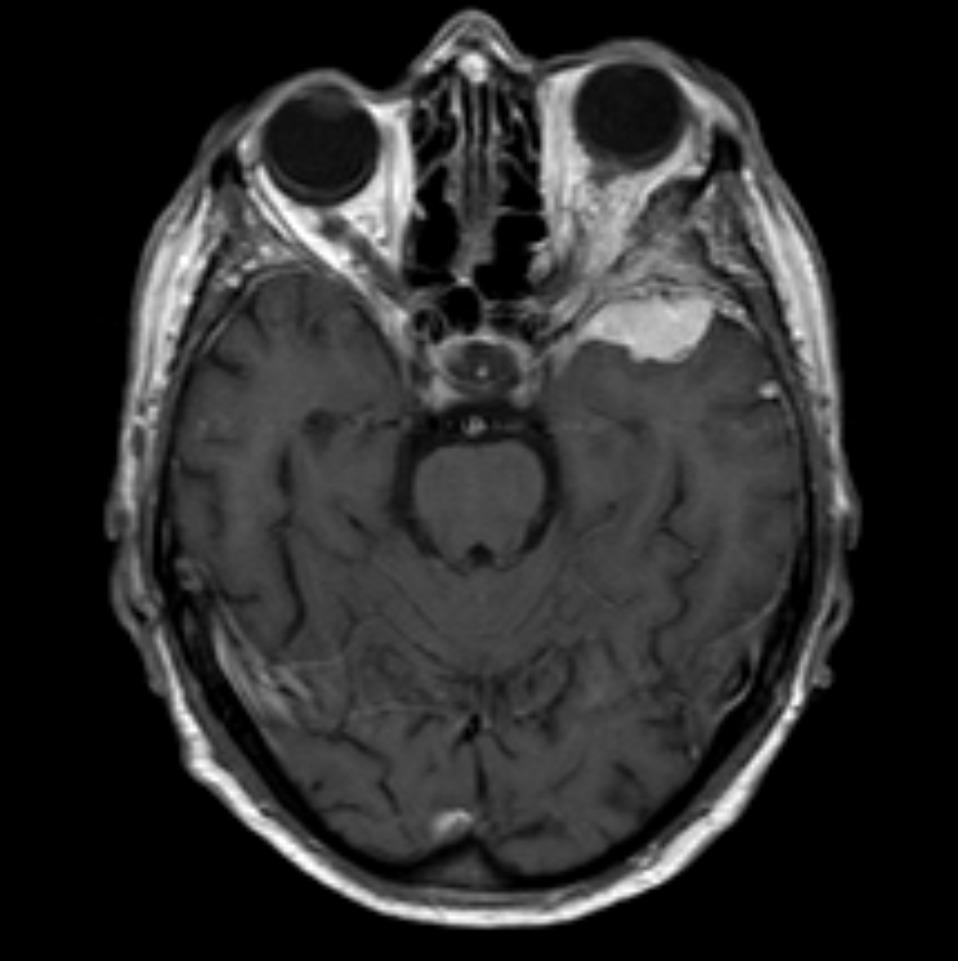
  • Sphenoid Wing Meningioma Wikipedia
    Classification [ edit ] Tumors found in the external third of the sphenoid are of two types: en-plaque and globoid meningiomas. En plaque meningiomas characteristically lead to slowly increasing proptosis with the eye angled downward. ... Meningioma, Sphenoid Wing. Emedicine, available online: http://www.emedicine.com/oph/topic670.htm , April 5, 2006.
    PGR, AKT1, ALAD, CST3, CSTB, CTSL, HES1, NF2, PTEN, SMO, MLLT10, BAP1, ABCB1, TBC1D9
  • Empty Nose Syndrome Wikipedia
    Empty nose syndrome Altered nasal anatomy after bilateral subtotal inferior turbinectomy Specialty Otolaryngology Empty nose syndrome ( ENS ), one form of secondary atrophic rhinitis , is a clinical syndrome in which people who have clear nasal passages experience a range of symptoms, most commonly feelings of nasal obstruction, nasal dryness and crusting, and a sensation of being unable to breathe. [1] ENS can be caused by minor surgical procedure as well as by major nasal surgical procedure: [1] [2] [3] [4] [5] major procedures: turbinate surgery ( turbinectomy , turbinoplasty ) for removal or reduction or modification of turbinates minor procedures: submucosal cautery , submucosal resection, laser therapy , and cryosurgery . ... Diagnosis [ edit ] No consensus criteria exist for the diagnosis of ENS; it is typically diagnosed by ruling out other conditions, with ENS remaining the likely diagnosis if the signs and symptoms are present. [1] [2] [6] A "cotton test" has been proposed, in which moist cotton is held where a turbinate should be, to see if it provides relief; while this has not been validated nor is it widely accepted, it may be useful to identify which people may benefit from surgery. [1] [2] [6] As of 2015, protocols for using rhinomanometry to diagnose ENS and measure response to surgery were under development, [2] [6] as was a standardized clinical instrument (a well defined and validated questionnaire) to obtain more useful reporting of symptoms. [6] A validated ENS-specific, 6-item questionnaire called the Empty Nose Syndrome 6-item Questionnaire (ENS6Q) was developed as an adjunct to the standard Sino-Nasal Outcome Test 22 (SNOT-22). [11] The ENS6Q is the first validated, specific, adjunct questionnaire to the SNOT-22. It can more reliably identify patients suspected of ENS. [12] The ENS6Q is gaining usage in studies on ENS. ... Anatomy of the nasal cavity Four types have been proposed: [1] ENS secondary to inferior turbinate resection ENS secondary to middle turbinate resection ENS secondary to both inferior and middle turbinate ENS after turbinate-sparing procedures Prevention [ edit ] Avoiding turbinectomy or using turbinate-sparing techniques may prevent ENS. [1] [13] Treatment [ edit ] Initial treatment is similar to atrophic rhinitis , namely keeping the nasal mucosa moist with saline or oil-based lubricants and treating pain and infection as they arise; adding menthol to lubricants may be helpful in ENS, as may be use of a cool mist humidifier at home. [1] For people with anxiety, depression, or who are obsessed with the feeling that they can't breathe, psychiatric or psychological care may be helpful. [1] [6] In some people, surgery to restore missing or reduced turbinates may be beneficial. [1] Before and after surgical restoration of the lateral wall (arrow in right-side image) to simulate the function of the missing inferior turbinate. ... Mason called the turbinates "the most important organ in the nose" and claimed they were "slaughtered and removed with discriminate abandon more than any other part of the body, with the possible exception of the prepuce ." [14] The term "Empty Nose Syndrome" was first used by Eugene Kern and Monika Stenkvist of the Mayo Clinic in 1994. [1] Kerm and Eric Moore published a case study of 242 people with secondary atrophic rhinitis in 2001 and were the first to attribute the cause to prior sinonasal surgery in the scientific literature. [1] [15] Whether the condition existed or not and whether surgery was a cause, was hotly debated at Nose 2000, a meeting of the International Rhinologic Society that occurs every four years, and continued to be debated thereafter at scientific meetings and in the literature; [1] [16] as an example of how heated the debate became, in a 2002 textbook on nasal reconstruction techniques, two surgeons from University of Utrecht called turbinectomies a "nasal crime". [1] Society and culture [ edit ] As of 2016, according to Spencer Payne, a doctor who studies ENS, many people with ENS symptoms commonly encounter doctors who consider their symptoms to be purely psychological; [17] according to Subinoy Das, another doctor who studies ENS, recognition among rhinologists was growing. [18] People who experience ENS have formed online communities to support one another [1] and to advocate for recognition, prevention, and treatments for ENS. [18] References [ edit ] ^ a b c d e f g h i j k l m n o p q r s t u v w x Kuan EC, Suh JD, Wang MB (2015).
  • Primary Hyperoxaluria Wikipedia
    Genet . 87 (3): 392–9. doi : 10.1016/j.ajhg.2010.07.023 . PMC 2933339 . PMID 20797690 . ^ https://iris.unito.it/retrieve/handle/2318/104759/16020/2012_Cochat_post-print.pdf ^ "Lumasiran: Public Assessment Report (PAR)" (PDF) . ... Retrieved 17 October 2020 . Contains public sector information licensed under the Open Government Licence v3.0. ^ "Oxlumo EPAR" .
    GRHPR, HOGA1, AGXT, AGT, HAO2, HAO1, PRODH2, APRT, GLUD1, PTS, SULT1E1, UGDH, H6PD, CRYL1, KYAT3, RBMXL1
  • Milia En Plaque Wikipedia
    Milia en plaque Specialty Dermatology Milia en plaque is a cutaneous condition characterized by multiple milia within an erythematous edematous plaque. [1] See also [ edit ] Micronodular basal cell carcinoma List of cutaneous conditions References [ edit ] ^ Rapini, Ronald P.; Bolognia, Jean L.; Jorizzo, Joseph L. (2007).
  • Hiv/aids In The Caribbean Wikipedia
    In contrast to system in Haiti, much of the healthcare response in Barbados was carried out by the public sector . Several successes of Barbados in its fight against HIV include universal screening , confidentiality , an AIDS information center and hotline , and special attention focused on at-risk groups. ... Both the public and private health sectors have played important roles in the response to the epidemic. ... Zuniga, Oxford University Press, 2007 ^ a b c d e UN Joint Programme on HIV/AIDS, "Global Report: UNAIDS Report on the Global AIDS Epidemic: 2010", December 2010, ISBN 978-92-9173-871-7 , available at: http://www.unhcr.org/refworld/docid/4cfca9c62.html , accessed 11 April 2013, pages 20-21, 42-43 ^ Figueroa, Peter (June 2014). ... Current HIV/AIDS Reports . 11 (2): 158–167. doi : 10.1007/s11904-014-0199-7 . PMID 24623473 . ^ http://factbook.lincon.com/geos/print/country/countrypdf_bf.pdf ^ a b c d e f g h i j k l m n o p q "The HIV epidemic in the Caribbean: meeting the challenges of achieving universal access to prevention, treatment and care", West Indian Medical Journal , J. ... Examining the policy climate for HIV prevention in the Caribbean tourism sector: a qualitative study of policy makers in the Dominican Republic.
  • Erythema Nodosum, Idiopathic GARD
    Erythema nodosum (EN) is a skin condition in which red bumps (nodules) form on the shins. ... The lesions begin as firm, hot, red, painful lumps and progress to a purplish color. EN is a type of inflammatory disorder affecting the layer of fat under the skin ( panniculitis ). ... In some cases, however, EN has no identifiable cause (idiopathic); in these cases, clinical follow-up is needed to rule out certain conditions including inflammatory bowel disease , sarcoidosis , lymphoma , and Behcet's disease . ... Symptoms usually resolve within six weeks, but EN may become a chronic disorder lasting for months and, occasionally, for years. Approximately 30% cases of idiopathic EN may last more than 6 months.
  • Optic Disc Pit Orphanet
    There may be more than one pit present in one eye, and the anomaly is most commonly found in the inferotemporal region of the optic disc, although any sector may be involved. Patients are often asymptomatic, or may present with visual field defects, in particular paracentral arcuate scotoma connected to an enlarged blind spot.
    PTGDS
  • Clinical Vampirism Wikipedia
    The 20 year evolution of a farcical 3 page book section that shot through the mass media and then – uncritically – into the pages of a peer-reviewed scholarly journal should serve as a cautionary tale about the purported validity of other "mental disorders." [6] [7] Philosopher of science Ian Hacking refers to this process as "making up people" and critiques medical and psychiatric elites for the untoward effects of their "dynamic nominalism" on individual lives. ... Retrieved 2 March 2013 . ^ a b c Hacking, Ian (17 August 2006). "Making Up People" . ... Retrieved 3 March 2013 . ^ a b c Hacking, Ian. Making Up People (archived full text).
  • Erythrokeratoderma ''en Cocardes'' Orphanet
    A rare, genetic, epidermal disorder characterized by intermittent (remitting and recurring), annular, polycyclic, target-like (or 'en cocardes') plaques with concentric rings of scaling erythema occurring on the extremities, flexural areas, and trunk.
  • Hiv/aids In Malawi Wikipedia
    Prevalence of HIV/AIDS in adult (ages 15–49) populations (1999–2002) As of 2012 [update] , approximately 1,100,000 people in Malawi are HIV-positive , which represents 10.8% of the country's population. [1] Because the Malawian government was initially slow to respond to the epidemic under the leadership of Hastings Banda (1966–1994), the prevalence of HIV/AIDS increased drastically between 1985, when the disease was first identified in Malawi, and 1993, when HIV prevalence rates were estimated to be as high as 30% among pregnant women. [1] The Malawian food crisis in 2002 resulted, at least in part, from a loss of agricultural productivity due to the prevalence of HIV/AIDS. [1] Various degrees of government involvement under the leadership of Bakili Muluzi (1994–2004) and Bingu wa Mutharika (2004–2012) resulted in a gradual decline in HIV prevalence, and, in 2003, many people living in Malawi gained access to antiretroviral therapy . [1] Condoms have become more widely available to the public through non-governmental organizations, and more Malawians are taking advantage of HIV testing services . [1] Due to several successful television and radio campaigns by the Malawian government and non-governmental organizations in Malawi, levels of awareness regarding HIV/AIDS are high among the general population. [2] However, many men have adopted fatalistic attitudes in response to the epidemic, convincing themselves that death from AIDS is inevitable; on the other hand, some have implemented preventive techniques such as partner selection to try to reduce their risk of infection. [3] Although many women have developed strategies to protect themselves from HIV, women are more likely to be HIV-positive than men in Malawi. [1] The epidemic has affected sexual relationships between partners, who must cooperate to protect themselves from the disease. [4] In addition, many teachers exclude HIV/AIDS from their curricula because they are uncomfortable discussing the topic or because they do not feel knowledgeable about the issue, and, therefore, many children are not exposed to information about HIV/AIDS at school. [5] Finally, the epidemic has produced significant numbers of orphans in Malawi, leaving children vulnerable to abuse and exploitation . [6] Contents 1 History 2 Awareness and risk perception 3 Education 4 Affected groups 4.1 Men 4.2 Women 4.3 Children 5 Marriage and relationships 6 Economic impact 7 Impact on health services 8 Interventions 8.1 Antiretroviral therapy 8.2 Condom distribution 8.3 Voluntary counseling and testing 9 See also 10 References History [ edit ] Bingu wa Mutharika, third President of Malawi (2004–2012) The first case of HIV/AIDS in Malawi was reported at Lilongwe's Kamuzu Central Hospital in 1985. [7] President Hastings Banda , who was in power at the time, responded with several small-scale prevention initiatives and created the National AIDS Control Programme, a division of the Ministry of Health , to manage the growing epidemic. [1] Banda believed that issues relating to sex, including HIV transmission, should not be addressed in the public sphere; during this time, it was illegal for Malawian citizens to discuss the epidemic openly. [8] In 1989, Banda introduced a five-year World Bank Medium Term Plan to combat the epidemic, but HIV prevalence had already increased drastically at this point. [1] In 1994, when Bakili Muluzi became president, he addressed the nation's need for a coordinated response to the HIV/AIDS epidemic. [1] In 2000, Muluzi introduced another five-year policy known as the National Strategic Framework, but, like Banda's five-year World Bank Medium Term Plan, this plan was largely ineffective. [1] In 2001, in response to problems within the National AIDS Control Programme established by Banda, Muluzi created the National AIDS Commission. [1] Unlike Banda, who prevented the public from accessing information about the epidemic, Muluzi ensured that information about HIV/AIDS was available on the radio and television, in newspapers, and on billboards. [8] However, despite Muluzi's efforts, HIV prevalence was already significantly influencing national agricultural productivity during this period, and Malawi experienced an AIDS-related nationwide famine in 2002. [1] Malawians gained access to antiretroviral drugs in 2003, and, with a donation from the Global Fund to Fight AIDS, Tuberculosis, and Malaria and the election of new President Bingu wa Mutharika in 2004, government interventions increased substantially. [1] However, soon after his election, Mutharika experienced tensions with Muluzi after implementing an anti-corruption program, which distracted the government from addressing the nation's food and HIV/AIDS-related crises. [9] Despite these obstacles, Mutharika successfully developed a National AIDS Policy and appointed a Principal Secretary for HIV/AIDS during his presidency. [1] Awareness and risk perception [ edit ] Partners in Health worker with disease treatment literature in Malawi Despite Malawi's limited health and educational infrastructure, knowledge regarding HIV/AIDS is high among many people living in both urban and rural Malawi. [2] According to a 2004 study by Barden-O'Fallon et al. involving 100 households, women in Malawi are most likely to learn about HIV/AIDS through radio and television, health workers at local clinics, and female members of their social networks. [2] Men are also likely to access information about HIV/AIDS through radio and television; however, unlike women, they are not likely to gain information about HIV/AIDS from their male friends. [2] When 57 Malawian men were interviewed in 2003, 100% of them said they had heard about the HIV/AIDS epidemic on the radio, and 84.2% of them said they had learned about HIV/AIDS during their visits to local health facilities; this supports the fact that many people in Malawi have access to information about the epidemic, both through the radio and other sources. [8] Personal traits such as age, gender, location, and education correlate, either positively or negatively, with HIV/AIDS awareness levels. ... In Malawi, HIV/AIDS is usually transmitted through heterosexual sex , but the epidemic has also significantly impacted the homosexual male population in Malawi. [1] In addition, women in Malawi are more likely to be HIV-positive than men, suggesting that women are particularly vulnerable to HIV/AIDS. [1] Finally, the disease has affected children and young adults both directly and indirectly; 170,000 Malawian children were HIV-positive in 2011, and the number of orphans in Malawi has increased dramatically since the epidemic began in 1985. [1] Men [ edit ] Due to the vast scope of the HIV/AIDS epidemic, many Malawian men believe that HIV contraction and death from AIDS are inevitable. [3] Older men in particular often claim that the HIV/AIDS epidemic is a punishment issued by God or other supernatural forces. [3] Other men refer to their own irresponsible sexual behaviors when explaining why they believe that death from AIDS is inevitable. [3] These men sometimes claim that unprotected sex is natural (and therefore necessary and good) when justifying their lack of condom use during sex with extramarital partners. [3] Finally, some men identify as HIV-positive without having undergone testing for HIV, preferring to believe that they have already been infected so they can avoid adopting undesirable preventive measures such as condom use or strict fidelity . [3] Because of these fatalistic beliefs, many men continue engaging in extramarital sexual relations despite the prevalence of HIV/AIDS in Malawi. [8] However, despite these widespread feelings of fatalism, some men believe that they can avoid HIV contraction by modifying their personal behaviors. [3] Men who decide to change their behaviors to reduce their risk of infection are unlikely to use condoms consistently, particularly during marital intercourse; instead, they usually continue engaging in extramarital sexual relations, but alter the ways in which they choose their sexual partners. [3] For example, before selecting extramarital sexual partners, men sometimes survey their peers to determine whether their potential partners are likely to have exposed themselves to the virus. [10] Men who choose their sexual partners based on external appearances and peer recommendations often believe that women who violate traditional gender norms by, for example, wearing modern clothing are more likely to carry HIV, while young girls, who are perceived as sexually inexperienced, are considered "pure." [3] Because of this perception, many people are concerned that schoolchildren in Malawi, particularly girls, are becoming exposed to the virus through sexual harassment or abuse by their instructors. [6] Women [ edit ] According to traditional gender roles in Malawi, men operate primarily in the formal work sector and are responsible for supporting their families through paid labor, whereas women, who are valued for their domestic skills, are responsible for agricultural labor and care work ; this gender-based division of labor decreases women's autonomy , thereby increasing their vulnerability to HIV/AIDS. [9] Even within the home, women often lack bargaining power because they have limited access to education , formal employment , and other resources that could give them a sense of financial and personal independence. [9] Women who are able to work in the formal sector typically earn significantly less money than men , even when they are completing the same tasks, making it difficult for them to elevate their status. [9] Many women are convinced that their husbands are putting their lives at risk by engaging in extramarital sexual relations without using protection; however, because of their secondary status, they are often unwilling to initiate discussions about HIV/AIDS in the home. [9] Most women in Malawi do not view divorce as a viable option, even when their husbands are HIV-positive and refuse to protect them from the virus by wearing condoms during marital intercourse. [9] Because they lack the education and training needed to seek gainful employment , women are not usually able to support themselves and their children outside of marriage without resorting to commercial sex work for money. [9] However, despite their vulnerability, some women in rural Malawi believe that they do, to a certain extent, have control over their own health and well-being. [11] They tell their husbands that the HIV/AIDS epidemic has made sexual infidelity extremely dangerous and encourage them to refrain from engaging in extramarital sexual contact. [11] In addition, many women are convinced that, by appealing to the vulnerability of their children (who will probably be orphaned if their parents contract HIV), they can convince their husbands to use condoms consistently during extramarital sexual encounters. [11] Other women seek support from their friends and family members when they believe that their husbands' unsafe behaviors are putting their lives at risk. [11] Finally, as a last resort, women might warn their husbands that they will visit the ankhoswe , or traditional marriage counselor, and demand divorce if their husbands refuse to remain faithful and actively prevent the transmission of the disease. [11] Children [ edit ] AIDS orphans in Lilongwe, Malawi The number of orphaned children in Malawi has increased dramatically since the HIV/AIDS epidemic began in 1985, with certain surveys indicating that more than 35% of schoolchildren have experienced the death of at least one parent due to HIV/AIDS. [6] Because HIV is transmitted sexually, married couples who engage in unprotected sexual relations put their children at increased risk of becoming double orphans , or children who have lost both parents to HIV/AIDS. [6] Older children who have lost both parents to HIV/AIDS often become responsible for the care of their younger siblings, and many double orphans drop out of school or migrate to urban areas to try to support themselves and their siblings. [6] Girls who have been orphaned by HIV/AIDS have unusually high rates of school absenteeism in Malawi. [6] When parents die of HIV/AIDS, extended family members usually become the children's primary caregivers : in Malawi, 44% of double orphans are adopted by grandparents or other close relatives. [6] Extended family members often provide crucial support to HIV/AIDS orphans; [12] however, some sources indicate that extended family members mistreat orphans whose parents have died from HIV/AIDS. [6] For example, family members who are unable to support adopted children often arrange early marriages for female orphans, who may then become victims of domestic violence and sexual abuse . [6] Evidence suggests that schoolchildren in Malawi are at risk of being exposed to HIV by their teachers, who sometimes value them as sexual partners because they believe that children have not yet been exposed to the virus. [6] Children are particularly vulnerable to exploitation by adults who offer them money in exchange for sex; because they are often unable to afford basic necessities, they might feel compelled to accept gifts in exchange for sex out of desperation. [6] Interviews indicate that teachers and school administrators in Malawi often misinterpret the definition of sexual assault , as some believe that sexual relations between teachers and students are appropriate as long as the children have consented . [6] Although most schools have strict policies against sexual abuse , children are often hesitant to accuse adults of wrongdoing, and many administrators are unwilling or unable to investigate the truth behind the accusations. [6] Marriage and relationships [ edit ] Although couples are starting to use condoms during extramarital intercourse more frequently, condom use during marital sex is still viewed as inappropriate by many Malawians; in 2000, only 2.3% of people reported using condoms regularly during sexual intercourse with their spouses. [4] Some people believe that condoms are only necessary during sex with high-risk partners such as sex workers , and that condom use during marital sex implies infidelity . [4] Others believe that marital condom use violates the religious purposes of marriage: sexual pleasure and reproduction . [4] In a study published in 2007 by Agnes M. ... According to a 2003 study by Eliya Msiyaphazi Zulu and Gloria Chepngeno, although higher levels of education do correspond to greater knowledge about HIV/AIDS, education levels do not significantly impact the likelihood that couples will discuss HIV-related prevention strategies. [13] Economic impact [ edit ] Farmers with composting materials in Malawi A 2002 study conducted by CARE International across three districts in the Central Region of Malawi considers how HIV/AIDS has affected economic well-being in rural Malawi. [14] When skilled laborers are infected with HIV, they are usually unable to work; therefore, they often shift agricultural production on their land to less labor-intensive crops, sacrificing the opportunity to grow more profitable, labor-intensive crops such as tobacco . [15] When family members fall ill with HIV/AIDS, their relatives invest time in their treatment and care, further reducing household productivity. [14] In addition, when family members are infected with HIV, households often use the money they would normally invest in agriculture to cover medical expenses, further decreasing economic stability at the household level. [14] Finally, when adults contract HIV, their children often remain home from school to work in the fields, threatening long-term productivity and economic advancement in Malawi. [15] CARE International proposes several strategies that might reduce the destructive economic impact of HIV/AIDS on rural households . [14] They recommend introducing new technologies that improve productivity to allow households affected by HIV/AIDS to continue supporting themselves through agriculture. [14] Women in patrilineal / patrilocal villages are often unable to support themselves and their children when their husbands die of HIV/AIDS; therefore, helping women acquire traditionally masculine agricultural skills might decrease their vulnerability while improving agricultural productivity at the household and community levels. [14] CARE International recommends increasing cooperation at the community level by establishing labor and food banks in areas that have been devastated by the HIV/AIDS epidemic. [14] Finally, CARE International highlights the importance of increasing access to information about HIV/AIDS in Malawi to help families prepare for and cope with the economic burdens associated with the epidemic. [14] Impact on health services [ edit ] The HIV/AIDS epidemic in Malawi has been characterized by drastic declines in the number of health workers available to provide treatment and care and increasing strain on health services: more than half of all hospital admissions in Malawi are related to HIV/AIDS. [16] However, Malawi currently faces a significant deficit in human resources : only 159 doctors were practicing in Malawi in 2007. [17] The World Health Organization 's Essential Health Package recommends placing at least three health workers at every health facility in the country, but the vast majority of Malawi's health facilities fail to meet this standard. [17] While migration to more developed countries in search of better opportunities, also known as " brain drain ," is partially responsible for the shortage of health care workers in Malawi, many health care workers have been personally affected by the HIV/AIDS epidemic; in fact, an average of 48 nurses die of HIV/AIDS in Malawi every year. [1] The HIV/AIDS epidemic has resulted in high levels of absenteeism among health workers in Malawi, who often leave work to spend time with HIV-positive friends or relatives, and the Malawian government has failed to respond to the declining number of full-time employees working in the health sector. [16] Health workers who are not chronically absent frequently abandon their jobs because they are unable to cope with the heavy patient loads or because they are afraid that working in a medical environment will increase their risk of becoming infected with HIV. [16] Malawi has adopted task shifting strategies to overcome the shortage of workers available for HIV/AIDS treatment and care. [17] Task shifting, which has been successful in many other regions, involves training less specialized health workers to perform health-related tasks that do not require professional training, such as the initiation of antiretroviral therapy . [17] For example, at Thyolo District Hospital , health workers spend one week learning how to initiate antiretroviral therapy in a classroom setting and an additional two weeks practicing their knowledge in a supervised clinical setting; after completing this course, they are legally (under Ministry of Health guidelines) allowed to initiate antiretroviral therapy. [17] Another form of task shifting involves training health-oriented counselors in HIV testing and counseling , which relieves nurses of this additional task. [17] Interventions [ edit ] Malawi has taken many steps towards slowing the spread of HIV/AIDS, such as increasing access to condoms and improving testing services and treatment options. [1] Many of these efforts have been funded by international donors including the World Bank , the Global Fund , the World Health Organization , the President's Emergency Plan for AIDS Relief (PEPFAR), and the Joint United Nations Programme on HIV and AIDS (UNAIDS). [1] The World Bank has lent $407.9 million to Malawi, the Global Fund has agreed to give $390 million, and PEPFAR has donated $25 million for prevention and treatment campaigns. [1] Antiretroviral therapy [ edit ] The number of people using antiretroviral therapy in Malawi has increased dramatically in the past decade: between 2004 and 2011, an estimated 300,000 people gained access to antiretroviral treatment. [1] In addition to improving access to antiretroviral therapy, in 2008, Malawi introduced the World Health Organization 's treatment guidelines for antiretroviral therapy, which improved the quality of treatment available to Malawians. [1] However, Malawi's proposal for a new antiretroviral treatment plan in 2011, which would have cost $105 million per year, was rejected by the Global Fund , threatening Malawi's ability to continue expanding access to antiretroviral treatment. [1] In 2000, Malawi's Ministry of Health and Population began developing a plan to distribute antiretroviral drugs to the population, and, as of 2003, there were several sites providing antiretroviral drugs in Malawi. [16] The Lighthouse, a trust in Lilongwe that fights HIV/AIDS, provides antiretroviral drugs at a cost of 2,500 kwacha per month. [16] Queen Elizabeth Central Hospital in Blantyre provides antiretroviral therapy through its outpatient department, and Médecins Sans Frontières distributes antiretroviral drugs to patients for free in the Chiradzulu and Thyolo Districts. [16] Many different private providers sell antiretroviral drugs, particularly in cities; however, very few patients can afford to receive drugs from the private sector in Malawi. [16] In addition, private providers are not currently required to obtain certification before selling antiretroviral drugs, and, therefore, this practice is not closely monitored. [16] Finally, some employees receive access to antiretroviral drugs through the health insurance policies provided by their employers, but this practice is not widespread. [16] Due to the advent of antiretroviral drugs, HIV/AIDS has become a manageable disease for people who can access and afford treatment; however, antiretroviral therapy remains largely unaffordable and inaccessible to most people in Malawi. [16] For example, the South East region of Malawi has disproportionately low access to antiretroviral drugs. [1] In many rural areas, poor health infrastructure combined with widespread famine have made sustained, high-quality antiretroviral therapy difficult or impossible. [1] In addition, donations from the Global Fund to Fight AIDS, Tuberculosis, and Malaria were used to fund antiretroviral therapy programs that distributed medication on a "first-come, first-served" basis, making the drugs more accessible to the male, urban, educated population. [16] Because there are no explicit policies regarding the fair distribution of antiretroviral drugs in Malawi, individual health care workers often become responsible for deciding who will receive treatment, which inevitably leads to inequitable distribution. [16] Condom distribution [ edit ] Although condoms effectively prevent the sexual transmission of HIV, several factors have limited widespread condom distribution and uptake in Malawi. [1] People living in non-urban areas often have difficulty accessing condoms, and condoms are not typically available at bars and other social locations where they could have a significant impact on HIV prevention. [1] Many people oppose condoms because they believe that condoms make sex less enjoyable or because they question their ability to prevent the transmission of HIV. [1] However, despite these factors, many unmarried couples have started using condoms more consistently as concern and fear about the HIV/AIDS epidemic have increased. [4] Non-governmental organizations such as Population Services International (Malawi), an organization that strives to improve the health of Malawians, and Banja La Mtsogolo, an organization that distributes information and resources related to family planning , have conducted campaigns advertising condom use as an effective form of protection against HIV/AIDS. [1] Banja La Mtsogolo provides condoms to both men and women, and has significantly improved the availability of condoms for women in particular. [1] Because of efforts by Population Services International, Banja La Mtsogolo, and many other organizations, condoms have become more widely available to many people in Malawi. [1] Voluntary counseling and testing [ edit ] People living in areas with high rates of HIV/AIDS face several psychological barriers when deciding whether to undergo testing for HIV . [1] For example, people may prefer not to know if they are HIV-positive because, due to the obstacles they often face in gaining access to antiretroviral drugs, many view HIV/AIDS diagnoses as death sentences. [1] Others may simply believe that they are HIV-negative, either because they practice strict monogamy and consistently use condoms during sexual intercourse or because they are in denial about the prevalence of the disease. [1] However, despite these barriers, both mobile and static testing services have become more widely available in Malawi recently: 1,392 testing and counseling sites existed in 2011. [1] Certain non-governmental organization such as the Malawi AIDS Counseling and Resource Organisation (MACRO) provide door-to-door counseling and testing services, which have drastically improved the accessibility of HIV testing. [7] See also [ edit ] Malawi portal Viruses portal Sub-Saharan Africa HIV/AIDS in Africa Diseases of poverty Epidemiology of HIV/AIDS Misconceptions about HIV and AIDS AIDS orphan Healthcare in Malawi Sex for Fish References [ edit ] ^ a b c d e f g h i j k l m n o p q r s t u v w x y z aa ab ac ad ae af ag ah ai aj "HIV & AIDS in Malawi" . ... "The Impact of the HIV/AIDS Epidemic on the Education Sector in Sub-Saharan Africa: A Synthesis of the Findings and Recommendations of Three Country Studies (review)". ... Review of Agricultural Economics . 28 (3): 429–39. doi : 10.1111/j.1467-9353.2006.00309.x . ^ a b c d e f g h i j k l Kemp, Julia; Jean Marion Aitken; Sarah LeGrand; Biziwick Mwale (2003). "Equity in health sector responses to HIV/AIDS in Malawi".
  • Hiv/aids In Pakistan Wikipedia
    However, it is worth mentioning that data is reported mainly from the public sector health facilities. While, the current health seeking behaviours and health system forces majority of the population to the private sector. ... Currently over 900 individuals receive free HIV medicines and tests from 9 public and 3 private sector facilities. e.g. Elite Medical Welfare Association Pakistan. ... Page 155 (2006 - 2007) (PDF) External links [ edit ] The official site of the National AIDS Program of Pakistan (Visit the publications and reports pages for results of studies, surveillance and other resources available from the NACP) The Asian AIDS Data Hub AIDSPortal Pakistan page Latest research, case studies and news stories Hiv Belirtileri Buyuk ihtimal suphe ediyorsunuz USAID Pakistan Pakistan HIV/AIDS Brief HIV and AIDS in Pakistan, HIV in Pakistan, AIDS in Pakistan ...
  • Spondylolysis Wikipedia
    Children's Orthopaedics, Mass General. Available at: http://www.massgeneral.org/ortho-childrens/conditions-treatments/spondylolysis.aspx. ... US National Library of Medicine . 2014. Available at: https://www.nlm.nih.gov/medlineplus/ency/article/003337.htm. ... Body CT (CAT Scan) . 2016. Available at: http://www.radiologyinfo.org/en/info.cfm? ... Body MRI - magnetic resonance imaging of the chest, abdomen and pelvis . 2014. Available at: http://www.radiologyinfo.org/en/info.cfm? ... Boston Overlap Brace. Available at: http://www.bostonbrace.com/content/boston_overlap_brace.asp.
    AGA, RUNX2, CTSK, FLNA, FLNB, PIEZO2, BMP7, SLC26A2, GDF5
  • Abortion In Finland Wikipedia
    See also [ edit ] Abortion by country Abortion debate Abortion law Religion and abortion References [ edit ] ^ [1] (in Finnish) ^ http://www.valvira.fi/terveydenhuolto/toimintaluvat/raskauden_keskeyttaminen/lupa_raskauden_keskeyttamiseen ^ http://www.valvira.fi/terveydenhuolto/toimintaluvat/raskauden_keskeyttaminen ^ http://www.infopankki.fi/en/living-in-finland/health/abortion ^ Pirkko Niemelä. 1988.
  • Gars1-Associated Axonal Neuropathy GeneReviews
    CMAP amplitude recorded by stimulation of the peroneal nerve is <2 mV in most individuals and <1 mV in individuals having clinically evident leg atrophy. Normal median SNAP amplitudes and conduction velocities are seen in most individuals, even those with mildly prolonged distal motor latency. ... Spontaneous activity is often seen in these muscles. The elicited sural SNAPs are preserved but with a reduced amplitude, despite sensory axonal loss identified histopathologically on examination of a sensory nerve from an individual with the CMT2D subtype; similar but milder changes were seen in individuals with dSMA-V. ... Generally, individuals with CMT2 present with distal muscular atrophy, loss of reflexes, sensory deficits, reduced sensory nerve action potentials (SNAPs), and normal or mildly slowed motor nerve conduction velocity. The unique pattern of hand involvement before leg involvement and preserved SNAPs helps distinguish CMT2D from other CMT2 subtypes. ... In this condition, thenar, hypothenar, and interossei weakness/atrophy is associated with ulnar and medial antebrachial cutaneous hypesthesia that could be validated by nerve conduction studies showing reduced SNAP amplitudes in the medial antebrachial cutaneous and ulnar nerves.
  • Abortion In Argentina Wikipedia
    Aportes para una historia de la lucha por la despenalización y legalización del aborto en Argentina» (in Spanish). Publicar en Antropología y Ciencias Sociales (Argentina: Colegio de Graduados en Antropología de la República Argentina) (24). ... "Estimación de la magnitud del aborto inducido en la Argentina" (in Spanish). Cite journal requires |journal= ( help ) ^ "Legalización del aborto: ¿qué datos existen en la Argentina?" ... Archived from the original on 2007-06-12. ^ "El fallo que pone en vereda a jueces y médicos" . Página/12 (in Spanish) . ... "Video: lo que dejó el Encuentro Nacional de Mujeres en La Plata" . www.clarin.com (in Spanish). ... Retrieved 2011-11-22 . ^ "Según una encuesta realizada en el país, el 43% de los argentinos aprueba el aborto "en cualquier caso " " [According to a survey carried out in the country, 43% of Argentines approve of abortion "in any case"].
  • Vaccine-Preventable Diseases Wikipedia
    Accessed 10 April 2014. ^ a b Added to the list 2016. http://www.who.int/immunization/diseases/en/ ^ Wein, Harrison (2018-03-26).
  • ←
  • 1
  • 2
  • 3
  • 4
  • 5
  • 6
  • 7
  • 8
  • ...
  • 124
  • 125
  • →

FindZebra

contact@findzebra.com