-
Botellón
Wikipedia
The majority of participants are male, who make up about 58% of the group, while the other 42% are female, with over two-thirds of them (70%) taking part in botellón on a weekly basis. [4] Statistics that show the relationship between botellón participation, gender and age. [5] According to a study, "El Fenómeno del Botellón", that compares the Spanish autonomous communities of Madrid, Galicia, and Jaéns' botellón phenomena, the more popular drinks during botellón are mixed drinks, kalimotxo (wine mixed with soda) and beer, while the less favorable drinks are cider, wine and champagne. [ citation needed ] Furthermore, the heavy consumption of alcohol during botellón has raised some concerns, and according to statistics, 64.2% are drinking the entire botellón while only 5.9% are not drinking at all. [ citation needed ] Another common practice during botellón is cigarette smoking. ... Another issue of botellón is the use of cannabis. However, there is only speculation about its use and is believed not to be as prevalent as drinking or cigarette smoking. [6] The most common side-effects of botellón are headaches, loss or increase in appetite, insomnia and lack of energy the following day. [7] Opposition [ edit ] An abandoned empty vodka bottle after a botellón. [ citation needed ] There are some health, social and economic concerns surrounding botellón. ... May, 2004. ^ A.Baigorri, M.Chaves: "Más que ruido, alcohol y drogas (la Sociología en su papel)". http://dialnet.unirioja.es/servlet/fichero_articulo?codigo=2519999 ^ http://www.unex.es/eweb/sociolog/botellon%201.pdf ^ Articulo de la consejería de cultura y patrimonio ^ "Archived copy" (PDF) . ... CS1 maint: archived copy as title ( link ) ^ "Media España se cita en la Red para celebrar un macrobotellón el 17 de marzo" . 2006-03-07. ^ http://www.20minutos.es/noticia/97295/0/macrobotellones/ciudades/espana/ | Literally translated from Spanish ^ "El Ayuntamiento "no consentirá" el macrobotellón que se prepara en Moncloa" . 2006-03-07.

-
Lazy Eye (Amblyopia)
Mayo Clinic
Overview Lazy eye (amblyopia) is reduced vision in one eye caused by abnormal visual development early in life. ... Symptoms Signs and symptoms of lazy eye include: An eye that wanders inward or outward Eyes that appear to not work together Poor depth perception Squinting or shutting an eye Head tilting Abnormal results of vision screening tests Sometimes lazy eye is not evident without an eye exam. ... Diagnosis Your doctor will conduct an eye exam, checking for eye health, a wandering eye, a difference in vision between the eyes or poor vision in both eyes. ... This special filter is placed on the eyeglass lens of the stronger eye. The filter blurs the stronger eye and, like an eye patch, works to stimulate the weaker eye. ... Is this condition likely to recur after treatment? How often should my child be seen for follow-up visits?
-
Autoimmune Gfap Astrocytopathy
Wikipedia
According to this hypothesis, GFAP antibody itself does not induce pathological changes; it is only a biomarker for the process of immune inflammation [5] Diagnosis [ edit ] Currently, it is diagnosed by the presence of anti-GFAP autoantibodies in CNS. ... Long et al., Autoimmune glial fibrillary acidic protein astrocytopathy in Chinese patients: a retrospective study, 29 November 2017, https://doi.org/10.1111/ene.13531 ^ Patel N M, Bronder J, Motta M, Morris N. Mystery Case: A 23-year-old man with headaches, confusion, and lower extremity weakness. Neurology. 2018;92(18):863-867. https://n.neurology.org/content/92/18/863/tab-article-info ^ Iorio R, Damato V, Evoli A, et al, Clinical and immunological characteristics of the spectrum of GFAP autoimmunity: a case series of 22 patients, J Neurol Neurosurg Psychiatry 2018;89:138-146. ^ Shan F, Long Y, Qiu W. ... PMID 30568655 , PMCID PMC6290896, doi : 10.3389/fimmu.2018.02802 ^ Eoin Flanagan et al., Specificity of glial fibrillary acidic protein IgG autoantibody (GFAP-IgG) for Autoimmune Meningoencephalomyelitis Diagnosis, Neurology, April 18, 2017; 88 (16 Supplement) ^ Yang X. et al., Treatment of Autoimmune Glial Fibrillary Acidic Protein Astrocytopathy: Follow-Up in 7 Cases, Neuroimmunomodulation 2017;24:113-119, https://doi.org/10.1159/000479948 [1] ^ Patel N M, Bronder J, Motta M, Morris N. Mystery Case: A 23-year-old man with headaches, confusion, and lower extremity weakness. Neurology. 2018;92(18):863-867. https://n.neurology.org/content/92/18/863/tab-article-info
-
Progeria
Mayo Clinic
Although low-frequency hearing loss does not usually affect daily activities, sometimes listening devices or hearing aids are needed. Eye and vision care. Not being able to close eyelids completely can cause dry eyes and damage to the surface of the eye. Moisturizing eye products and regular vision care can help. ... Talk with your health care provider about nutritional supplements. Visits with a registered dietitian can help. ... What kinds of tests does my child need? Are treatments available for this condition? ... Are there clinical trials that my child might be able to join? Do you recommend that my child see a specialist?LMNA, ZMPSTE24, ANK3, PYCR1, SPRTN, SIRT6, ROBO3, ERCC4, WRN, XPA, ATM, H2AX, NAT10, BANF1, TP53, SUN1, GGT1, GH1, LMNB1, ICMT, ING1, FOXM1, PLA2G1B, YWHAZ, SOX2, MTOR, GGTLC4P, PLB1, ERCC2, GGT2, GGTLC3, BUB1B, LMNB2, GGTLC5P, AMPD1, SMURF2, GOLGA6A, GTF2H5, FGF23, POU5F1P3, XPO1, VDR, POU5F1P4, KLF4, TPR, TP53BP1, TIMP1, SREBF1, SQSTM1, ADIPOQ, KL, HTRA2, EHMT1, CTC1, RCBTB1, SRSF5, SOST, SETD2, MGME1, GGCT, SIRT1, TWIST2, PLA2R1, HFM1, LEMD2, EDIL3, SRSF6, A2M, SRSF1, CD55, GLB1, GJA1, GFAP, GABPA, FDPS, ERCC6, ERCC1, ELN, NQO1, DES, CTNNB1, ROS1, CRP, CDKN2A, CDH5, BTF3P11, BRCA1, BGLAP, APRT, ALPL, AKT1, ACAN, SFN, HDAC2, HIP1, HMOX1, RARB, RAN, RAD51, ALDH18A1, ACTB, PRKAB1, PRKAA2, PRKAA1, PRELP, POU5F1, PLG, PECAM1, TNFRSF11B, NFE2L2, GADD45B, MFAP1, MDM2, MXD1, TNPO1, KCNMA1, IGF1, PRPS1
-
Hiv/aids In South African Townships
Wikipedia
Modes of HIV Transmission. Web. 8 Apr. 2012. < http://www.hivaidscare.com/hivtransmission.php? ... United Nations. Web. 14 Apr. 2012. < http://www.un.org/en/africarenewal/vol23no4/progress-on-aids.html >. ^ "Township AIDS Project (TAP)." Peacebuilding Portal. Web. 13 Apr. 2012. < http://www.peacebuildingportal.org/index.asp? ... South Africa. Web. 14 Apr. 2012. < http://www.psi.org/south-africa >. ^ a b c Friedman, S. ... Pambazuka News. Web. 8 Apr. 2012. < http://www.pambazuka.org/en/category/comment/54977 >. ^ "Key HIV Statistics."

-
Recurrent Brief Depression
Wikipedia
About 1/2 of patients fulfilling diagnostic criteria for RBD may have additional short episodes of brief hypomania which is a severity marker of RBD. RBD may be the only mental disorder present, but RBD may also occur as part of a history of recurrent major depressive episodes or bipolar disorders . ... DSM-IV field trial estimated the lifetime of RBD only to be about 2%. Cause [ edit ] The cause ( etiology ) of RBD is unknown, but recent findings may suggest a link between RBD and bipolar disorders, pointing to the importance of genetic factors. ... The fate of RBD in DSM-5, expected to occur in 2013, is not known. References [ edit ] ^ https://www.who.int/classifications/icd/en/GRNBOOK.pdf ^ http://apps.who.int/classifications/icd10/browse/2010/en#/F30-F39 External links [ edit ] J.
-
Tuberous Sclerosis
Mayo Clinic
These lung tumors occur more often in females than in males. Eye problems. Growths can appear as white patches on the light-sensitive tissue at the back of the eye called the retina. ... Also called an ECG or EKG, this test records the electrical activity of the heart. Eye exam A light and magnifying lens are used to look at the inside of the eye, including the retina. ... What kinds of tests does my child need? Should my child see a specialist? ... How often will you want to evaluate my child's health and development? Are my other children or family members at increased risk of this condition? ... What other types of specialists should my child see? Are there any clinical trials that might be helpful for my child?TSC2, TSC1, IFNG, EIF4EBP1, PKD1, PIK3CB, TESC, SLC12A3, PIK3CD, PIK3CG, MTOR, PIK3CA, PTEN, AKT1, TP53, STK11, IGF1, RPS6KB1, DDIT4, TYMS, RASA1, OGG1, BRAF, IL1B, CCL26, VDR, IL6, PRKAA1, PRKAA2, PRKAB1, RHEB, MAPK1, GH1, PRKD1, MIR21, ABCB1, TBC1D7, PTGS2, BCL2L11, GRM5, COX2, MFAP1, MEN1, RGS6, NF1, FMR1, VIM, TERF2IP, PCNA, RABGEF1, CRTC1, VEGFA, VEGFC, PTPN4, MIR147B, MIR146A, MIR132, RPS6, C20orf181, TNF, RAP1A, FLCN, MTCO2P12, EGF, ABO, EPHB2, MAPK3, EGFR, APRT, DCX, LRPPRC, ST14, SPP1, AKT3, DEPDC5, STIM1, SPINT1, GRAP2, ADIPOQ, LILRB2, KLF4, STAT3, IRS2, CDK5R1, RIPK2, ELOC, TCOF1, GLRX3, CASK, IKBKG, SLC7A5, HMGA2, AIMP2, YWHAZ, YWHAB, TFRC, TRPC4, TYR, ZNRD2, ABCA4, AHSA1, WNT3A, ARID1B, RPTOR, CIP2A, GRHL3, IL21, NEUROG2, DHDDS, FUZ, COL18A1, CCDC8, BEX2, ORAI1, LINGO1, UBASH3B, CDCA5, DCTN6, PLB1, RMDN2, MARCHF10, HEXD, TICAM2, MIR142, MIR223, PIM3, OPN1MW2, IH, TMED7-TICAM2, FECD3, OPN1MW3, UPK3B, SLC12A5, RALGAPB, CHPT1, WDR45B, TNFSF13B, OGA, NES, UTS2, TRIM31, WDR45, PARK7, DKK1, TBC1D9, PHLPP1, RPGRIP1L, MLYCD, AMACR, PPP1R15A, RNF19A, POLDIP2, BEX3, LAT, SGSM3, NOX4, IL21R, IL22, TMED7, RMDN1, TLR7, TNFRSF12A, IL23A, RMDN3, SYBU, SOX9, PSMD9, SLC12A2, CTLA4, DBH, DECR1, NQO1, EIF4G1, EREG, PTK2B, FCN2, FLNA, FLT1, FLT4, GABPA, GC, GCHFR, OPN1MW, GFAP, GJA1, GCLC, GNA11, GNA12, GPT, GRN, GRIN2C, GSK3B, HCRT, HGF, HMBS, HRAS, CTNNB1, CCN2, SLC2A1, CSF2, ACTB, AGER, AKT2, AMELX, AMH, ANXA1, ANXA6, AQP4, ARNTL, ATM, KIF1A, CCND1, BCL2, OPN1SW, BDNF, BMP4, C1QBP, CANX, CBR1, CD8A, CDK7, CDKN2A, CDX2, CLN3, CMM, CRK, MAPK14, HTR2C, ICAM1, IFI27, IKBKB, TNFRSF11B, PRDX1, PAH, PAK2, PAM, PDCD1, PDGFRB, PEX13, PIK3C3, PITX1, PLA2G1B, PLCD1, PLG, PRRX1, POMC, ABL1, PTGS1, PVALB, RAP1GAP, RBBP4, S100A1, S100B, CCL2, CCL24, SDC2, SDHB, SHOX, NTF4, NTF3, NPC1, MME, IL4, IL6ST, CXCL8, IL12A, IL17A, ING2, INHA, IRF7, IRS1, KRAS, LAMC2, LIG4, MMP2, NOTCH1, MNAT1, MPP2, ABCC1, MYO1B, COX1, MTTP, MUC1, MYC, NFE2L2, NFKB1, NGF, NM, H3P23

-
Oxyhyperglycemia
Wikipedia
In contrast to the commonly seen shallow OGTT curve, amplitude of the pointy spike in oxyhyperglycemia need not necessarily be restricted to only prediabetic range and in severe oxyhyperglycemia it may cross 250 mg/dL. In oxyhyperglycemia, by two hours, the glucose not only comes back to pre-diabetic range it may even start shooting below the fasting baseline. ... References [ edit ] ^ "Oxy- (sharp, pointed, keen; acidic, pungent) words: Oxymora to paroxysm, part 2 of 2" . ^ List of Greek and Latin roots in English ^ Dorland's Illustrated Medical Dictionary E-Book Elsevier Health Sciences, 2011. https://books.google.com/books?id=mNACisYwbZoC&pg=PT6008&lpg=PT6008&dq=oxyhyperglycemia+glycosuria&source=bl&ots=aX7RNVcZk0&sig=kPMLuW1Ftdeiiz3WPuSGAT90U1w&hl=en&sa=X&ei=qeKWT7bdBcHlrAeQn5yDDg&ved=0CGEQ6AEwCA#v=onepage&q=oxyhyperglycemia%20glycosuria&f=false ^ Takayoski Tobe; Mamoru Kouchi; Hiroshi Tanimura; Chiu Hsiung Huang Hyperglycemia After Gastrectomy as a Prediabetic State: Clinical Study of 100 Postgastrectomy Patients AMA Arch Surg. 1967; 94(6):836–840. http://archsurg.ama-assn.org/cgi/content/summary/94/6/836 ^ Nagoya J Med Sci. 1994 Mar;57(1-4):61–8. ... Holst, C. Biegelmayer and J. Miholic. https://doi.org/10.1023%2FA%3A1010635131228 ^ Digestive Diseases and Sciences Volume 50, Number 12 (2005), 2263–67, doi : 10.1007/s10620-005-3046-2 . ... Schneider, J. J. Holst and M. E. Patti. http://jcem.endojournals.org/content/92/12/4678.full ^ Journal of Endocrinology (1999) 160, 285–289 http://joe.endocrinology-journals.org/content/160/2/285.full.pdf v t e Disease of the pancreas and glucose metabolism Diabetes Types type 1 type 2 gestational MODY 1 2 3 4 5 6 Complications See Template:Diabetes Abnormal blood glucose levels Hyperglycaemia Oxyhyperglycemia Hypoglycaemia Whipple's triad Insulin disorders Insulin resistance Hyperinsulinism Rabson–Mendenhall syndrome Other pancreatic disorders Insulinoma Insulitis
-
Stye (Sty)
Mayo Clinic
When to see a doctor Most styes are harmless to your eye and won't affect your ability to see clearly. ... Wring out the washcloth and place it over your closed eye. Re-wet the washcloth when it loses heat. ... Repeating this two to three times a day may help the stye to drain on its own. Keep your eye clean. Don't wear eye makeup until the stye has healed. ... For a stye, some basic questions to ask your doctor include: What is the likely cause of my stye? When can I expect my stye to go away? ... What websites do you recommend? Do I need a follow-up visit?
-
Hiv/aids In Namibia
Wikipedia
The survey is done anonymously during routine antenatal care visits, which means that the results cannot be linked to anyone. ... Two of the larger organizations are: Catholic AIDS Action ( http://www.caa.org.na ) and the Church Alliance for Orphans (CAFO)( http://www.cafo-namibia.org ). ... Population and Environment, 29 (3/5), 186-203. Retrieved from http://www.jstor.org/stable/40212354 ^ a b c LeBeau, D., Fox, T., Becker, H., & Mufune, P. (2001). ... Society in Transition , 32 (1), 56–68. https://doi.org/10.1080/21528586.2001.10419030 ^ a b c d Institute for Health Metrics and Evaluation (IHME). ... Accessed August 25, 2008 ^ World Health Organization, July 9, 2009 http://www.who.int/features/2009/hiv_namibia/en/index.html ^ http://www.namchild.gov.na/library.php?
-
Keratitis
Mayo Clinic
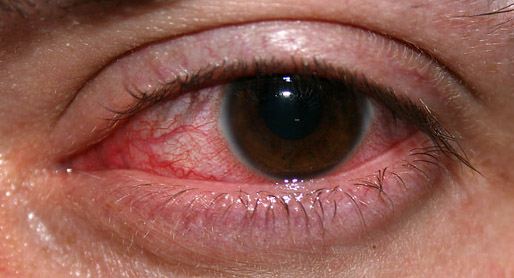
If you have eye redness or other symptoms of keratitis, make an appointment to see an eye specialist. ... Only use eye drops that have been prescribed by an eye doctor. ... Diagnosis Diagnosing keratitis typically involves the following: Eye exam. Although it may be uncomfortable to open your eyes for the exam, it's important to have your eye care provider examine your eyes. ... Slit-lamp exam. Your eye care provider will examine your eyes with a special instrument called a slit lamp. ... Do your symptoms affect one eye or both eyes? Do you use contact lenses?TLR2, GJB2, CXCL8, TP63, NLRP3, GJB6, PAX6, ABCA12, ERCC6, FGFR2, NOD2, ALOXE3, MBTPS2, NTRK1, ALOX12B, PLEC, ERCC4, POLH, CRLF1, ZEB1, TGM1, IKBKG, XPC, XPA, WAS, ERCC5, WIPF1, ERCC3, CERS3, DDB2, ERCC2, COL7A1, NIPAL4, PNPLA1, IL1B, TLR4, IL17A, CLEC7A, OLR1, HMGB1, IL6, CASP1, TSLP, IL10, MYD88, TNF, TAT, CCL2, S100A8, VIP, CLEC4E, AQP6, THBS1, CFTR, KIF22, CXCL1, IL23A, MIF, TLR9, GJA1, FBXW7, VWA3B, NLRC4, IL21, IL17RC, SIGIRR, MIR183, AIMP2, PLA2G6, NLRC3, CXCR4, YWHAZ, KTCN2, TRIM8, TNFAIP8L2, MIR451A, TNFSF10, SIRT6, GRAP2, ABCC11, HERC5, IL36RN, TREM2, WNT5A, UBE3B, POLDIP2, RNF19A, SUMF2, NLRP12, PLB1, PANX1, IL24, TREM1, SPINT2, SMOX, NUDT11, AHSA1, ISG15, ABCC8, TRPV1, ITGAM, IPP, IL13RA2, IL12B, CXCR2, IKBKB, MTOR, FLG, DEFB1, MAPK14, CRK, CNTF, CHRM3, CHI3L1, CD38, CAT, CASP9, CASP3, CAMP, CALCA, TSPO, BCL2, AZGP1, ATF4, ARSA, APOE, IRAK1, KRT14, VEGFC, LTF, VEGFA, NR2C2, TPT1, TMSB4X, TLR1, TGFB1, MAP3K7, AIRE, SPP1, CXCL12, CCL3, PROX1, MAPK8, MAPK1, POLR2B, PLA2G2A, PLA2G1B, SERPINF1, PECAM1, TNFRSF11B, NGF, NFKB1, MPO, MMP12, MIP, RNA18SN5
-
Abortion In Costa Rica
Wikipedia
Currently, abortions are allowed in Costa Rica only in order to preserve the life or physical health of the woman. ... Accordingly, almost all doctors will not carry out an abortion for any reason at all. [8] According to a survey made by the University of Costa Rica whilst most Costa Rican support therapeutic abortion (55%) very few support completely free abortion (only 11%). [9] [10] The poll showed that 55% support abortion to save the mother’s life, against 45% who oppose. 49% supports it in case of non-life threatening health problems against 39%, 43% in case the fetus has life-incompatible malformation versus 49% against, only 29% supports it in case of pregnancy of a child versus 57% against, only 28% in cases of rape against 61% opposing, and only 11% supports only on the woman’s request against 78% opposing it. ... Archived from the original on 19 November 2014 . Retrieved 19 October 2014 . ^ https://web.archive.org/web/20160415084202/http://www.un.org/en/development/desa/population/publications/pdf/policy/WorldAbortionPolicies2013/WorldAbortionPolicies2013_WallChart.pdf ^ Ertelt, Steven (23 September 2008). ... "Mitad de la población costarricense apoya el aborto si la madre se encuentra en peligro de muerte" . UCR . Retrieved 1 April 2019 . ^ "Encuesta UCR: 50% de los ticos no sabe lo que es el aborto terapéutico" . ... : Acercamiento sociológico a la religión en Costa Rica" . Revistas Universidad Nacional .
-
Leukorrhea
Wikipedia
Graphites 200 Homeopathy Uses, Benefits - Graphites Materia Medica https://www.homeopathicmedicine.info/en/graphites/ 2. Leucorrhoea: Its Concomitant Symptoms, and Its Homoeopathic Treatment By Alvin Matthew Cushing (1882) https://books.google.ca/books?hl=en&lr=&id=qUVQj3zmDQoC&oi=fnd&pg=PA3&dq=Graphites,+leucorrhoea&ots=hWgIOFuZ4j&sig=CX63iFcF3KceviShFZnBYZq3ozA#v=onepage&q=Graphites%2C%20leucorrhoea&f=false References [ edit ] ^ " leukorrhea " at Dorland's Medical Dictionary ^ "Definition of LEUKORRHEA" . www.merriam-webster.com . ... Centers for Disease Control and Prevention, 17 Dec. 2010. Web. 28 Oct. 2014. < https://www.cdc.gov/mmwr/preview/mmwrhtml/rr5912a1.htm >. ^ Behrman, Richard E.; Kliegman, Robert; Karen Marcdante; Jenson, Hal B. (2006). ... Eunice Kennedy Shriver National Institute of Child Health and Human Development, n.d. Web. 28 Oct. 2014. < http://www.nichd.nih.gov/health/topics/stds/conditioninfo/Pages/specific.aspx >.

-
Retinoblastoma
Mayo Clinic
Overview Retinoblastoma is an eye cancer that begins in the retina — the sensitive lining on the inside of your eye. ... A rare form of eye cancer, retinoblastoma is the most common form of cancer affecting the eye in children. ... Eye removal surgery for retinoblastoma includes: Surgery to remove the affected eye (enucleation). ... The artificial eye can be made to match your child's healthy eye. The artificial eye sits behind the eyelids. As your child's eye muscles move the eye implant, it will appear that your child is moving the artificial eye.RB1, MDM4, BCOR, TP53, BRCA2, CHEK2, PIK3CD, CDK4, CDK2, PCNA, PIK3CA, PIK3CB, H3P10, PAX6, TMED7-TICAM2, PSMD9, PTEN, TMED7, CASP3, RBL1, PIK3CG, CDK6, FANCM, CDKN1A, EGFR, ESD, CTNNB1, ESR1, CRX, IFI27, TICAM2, EPCAM, MDM2, TCHP, MYC, CDKN2B, CDKN2A, MYCN, CDKN1B, RBL2, E2F1, BCL2, ZNRD2, VEGFA, NOLC1, DCTN6, PRDM2, AKT1, CCND1, RAB3GAP1, H3P23, MAPK1, E2F3, PRB2, ERBB2, RBBP7, CIB1, FOXM1, TGFB1, RBP3, MTOR, CCNE1, MIR34A, KRAS, HMGB1, ATM, SLC12A9, HIF1A, DDX1, CDK1, GRAP2, KIF14, BDNF, MTDH, RNF19A, AIMP2, HDAC1, MAP2K7, CRK, ABCB1, POLDIP2, AHSA1, PLK1, BRAF, UHRF1, EZH2, MAPK14, TERT, SERPINF1, RBBP4, GRB10, FGF2, MIR17HG, FOXO1, MIR204, RNF40, RB1CC1, NXT1, CXCR4, MIR140, MIR106B, RGCC, HPGDS, S100A4, SAI1, MAPK8, SKP2, STAT3, SYK, TFF1, SUB1, RBBP9, DEK, MMP9, MRPL28, HMGA2, RBM45, IL6, POLD1, ABCG2, CDKN3, CD44, AR, CDKN1C, APC, CHEK1, H3P9, CDH11, CRH, FGFR3, COMMD3-BMI1, MIR183, MIR506, MAPK3, SIRT1, MIR21, SP1, ARR3, MIR215, SMAD2, SMARCA4, SOX2, MIR18A, MIR17, IGF1, H2AX, KLF6, MIR137, INTS6, RAF1, CAV1, RBBP6, BMI1, MIR613, HMGA1, HRAS, TNF, TFRC, CDKN2C, VDR, ACTB, DHFR, MGMT, PROM1, LMNA, E2F4, MTHFR, TSC2, XIST, EPHB2, SNHG16, ZNF266, OAT, OTX2, HOTAIR, ELOF1, MSH2, RUNX2, PTGS2, PTPN14, ODC1, AFAP1-AS1, ATRAID, MKI67, CDH13, CEACAM5, MCL1, BRS3, BRCA1, ACKR3, RCVRN, PSG2, NRAS, CCND2, MEG3, PIK3R1, LAMTOR1, AD12, MIB1, SEMA6A, PPARG, NME1, EAF2, CDC25C, NFKB1, MYBL2, CCNB1, MXI1, MMUT, MTR, CDK5, PDK1, MED4, PPM1D, TYMS, NEK6, UBE2I, APRT, VHL, CXCR6, WT1, LINC02210-CRHR1, MAFK, CLLS2, ADRA2B, PIK3R3, SGSM3, KHSRP, PSMG1, ZNF197, BECN1, ADRA1A, ADCYAP1R1, ADCYAP1, HDAC9, LPAR2, EEF1E1, RECQL4, TNFRSF1B, IL24, PSIP1, RASSF1, RFC1, RHO, SIGLEC7, ROCK1, PRDM1, SH2B1, BGN, SMAD4, BAX, SLC19A1, SMARCA1, SMARCB1, SSTR4, DICER1, SUV39H1, SYP, TAZ, TCF3, ATR, ATF3, H3P12, ASMT, TFF3, CCL2, MCM2, UCA1, IDH1, CEACAM7, IGFBP3, MIR34B, CUX1, IL2RB, CEACAM3, ILK, MIR98, MIR99A, ELN, FOLH1B, KIT, ELF1, EIF4E, EFNA2, IFNB1, MIR22, E2F5, MALAT1, MIR145, GPR42, H1-0, HCLS1, MAD2L1, MIR182, MIR186, FOS, HSPA4, FOLH1, HSP90AA1, FGFR1, CRHR1, FASN, FAP, EDNRA, NEAT1, MIR361, MIR449A, E2F2, CFL1, STMN1, ACVR1C, LGALS3, DNMT1, NEK7, TPPP2, DUSP2, MIR504, MIR485, ELL2, NT5C2, KLRK1, MIR200C, MIR203A, ZHX2, AKAP12, GDF3, KDM4A, MIR503, MIR212, WIF1, CEP57, HDAC4, MIR373, MIR340, FSTL1, MELK, NUP205, USP22, FBXW11, BRD4, MIR382, ATG5, MIR181A2, MIR181C, SH3BP4, MIR376A1, NUP62, CCNDBP1, BAG3, EI24, MIR184, BCAR1, CRB1, ZFPM2, H3P17, MIR188, MIR191, KLRC4-KLRK1, SRGAP2, MIR198, MIR19B1, ZEB2, CDC37, MIR223, TOPBP1, MIR330, MIR93, KHDRBS1, MVP, NUP153, ARID3B, MIR202, NKILA, RN7SL263P, THOC1, MTCO2P12, LOC110806263, UBE2C, ABCB6, MIR338, H3P13, DNM1L, PRMT5, APC2, AKAP8, MIR491, GPC6, ABCC4, CTCF, PANDAR, EBP, MIR34C, MIR221, MPZL2, MIR498, MIR25, COPS5, TMED10, CBX1, MED4-AS1, LYVE1, MIR29A, MIR320A, C1QL1, ZBTB5, SRCAP, MIR497, MIR495, MIR492, PTGES3, POU5F1P3, MIR433, BANCR, CADM1, CYTOR, AIPL1, CEMIP, KIF13A, BCORL1, CADM3, A2ML1, MIR758, EP400, PPM1K, MRTFA, MIR638, FEZF1-AS1, SCYL1, DANCR, CBLL2, TP73-AS1, KIF4A, RASSF6, DDX53, RALGAPB, MIR675, PNPLA2, TIGAR, MIR422A, PCBP4, TBCEL, HOXA11-AS, CADM2, PAG1, H19, PRDM16, SOX17, SMURF2, WNK1, MED23, SCGB3A1, POTEF, MIR655, KRT8P3, WNT3A, DIXDC1, EAF1, AZIN2, LRG1, PCAT4, PRAP1, CDCA7, RGPD2, ARHGAP24, CDT1, DRAM2, COL18A1, ULBP2, E2F8, LIN28A, ZNF329, SLCO6A1, MUL1, CDC73, PIWIL4, SLC25A23, CDKN2B-AS1, MIR665, PGP, LUCAT1, CBR3-AS1, TBPL2, ANAPC2, FAM238C, CD274, THORLNC, CCAT1, LINC01194, ATAD2, GTF2H5, MIRLET7B, MIR106A, MIR598, MIR125A, PDCD4, BBC3, MIR130B, MIR132, TCL6, CYFIP2, LATS2, MIR139, POU5F1P4, SIN3A, MICA, WWTR1, TMX2-CTNND1, KCNIP3, MIR3613, STX17, SOST, TMED10P1, MIR874, MIR365B, ZCCHC2, PGPEP1, TRPM7, OTUD4, RTEL1, LIN9, ARID4B, PIAS4, IL23A, CINP, TRIM59, GADL1, RBMY2DP, ENDO1, NOL7, MIR3163, GSTK1, MZB1, DCTN4, LINC00328, RBMY1D, PHF20L1, IL31, MIR3619, MIR448, AANAT, LIPG, HMGB2, GTF2H1, HDGF, HELLS, HIC1, HLA-A, HLF, HLA-G, HNF4A, GLI3, HOXB5, AGFG2, HSF1, HSPB1, HSPB2, HTR2A, ICAM1, GPI, GLI1, MMP2, FOXO3, F9, PTK2B, FANCB, FGF1, FGF9, FGF13, FGFR2, FOLR1, GLB1, FUT7, GAS6, GATA1, GDF10, GFAP, GHRHR, GJA3, ID2, IDH2, IFNG, LOX, LCP1, LDHA, LEP, LIG4, LMNB1, LMO2, LMO7, LY9, IGF1R, SMAD3, MCM6, MCM7, MEFV, MEN1, MFAP1, MLH1, LASP1, L1CAM, KRT19, KRT8, IGF2, IGF2R, IGFBP2, IL1A, IL1B, IL2, IL3, IL17A, INSM1, IRS1, ANOS1, CD82, KDR, KNG1, KPNA2, F3, EWSR1, EVPL, CCK, FOXL2, CAPN5, CA9, CASP5, CASP8, RUNX3, CBR3, CCND3, CDX1, CCNG1, TNFRSF8, CD40, CDC25A, CDC25B, CDH17, CDK9, BNIP3, BMP4, BCL6, BCL3, ABL1, ACY1, ADRB3, GRK3, JAG1, AGT, ALB, ALK, APEX1, APOC2, APOD, FAS, ASS1, ATRX, BAG1, CDKN2D, CEBPD, MECOM, ELAVL2, DCT, DDIT3, DDX3X, DDX5, DNMT3A, DNMT3B, DUSP1, ELF4, CETN2, ELK3, ENDOG, ENO1, ENO2, EPHB1, ERCC2, ESR2, DCC, DAXX, DAP, DAB1, CGA, CHRM3, CHRM5, CKS1B, CLU, PLK3, COX8A, CLDN7, CREBBP, CRHR2, CRYAB, CSE1L, CSF2, CTNND1, CXADR, MMP1, MMP3, ADIPOQ, TP73, TGFB2, TGFBI, TGFBR2, THBS1, THY1, TIAM1, TIMP1, TPM3, TFF2, TPO, TPT1, TRAF3, TYR, TYRO3, UBC, UBE2B, TG, TFDP1, MMP15, SST, SLPI, SNCG, SOAT1, SOD1, SOX4, ABCA4, SREBF1, STAT1, TFAP2B, STC1, TACR1, TBX1, TBX5, ZEB1, TCF19, TFAP2A, UCN, KDM6A, TRPV1, HSPB3, SUCLA2, CDK5R1, SQSTM1, SLC5A6, CCNA1, PHOX2B, MBD2, TRPA1, VRK1, PRC1, CLDN8, CLDN1, ARHGEF1, EXO1, PIWIL1, TRIP11, NAPG, FADD, TNFSF10, ADAM19, WEE1, WNT1, WNT10B, XPO1, XRCC4, KMT2D, XRS, SLC7A5, COIL, MKKS, CUL2, CASK, STC2, TP63, MBTPS1, SLC6A2, SLC5A5, SRSF3, PDE3B, NOTCH1, NPY, NOVA2, NPM1, NRF1, NTRK1, PRKN, PDGFA, PLAU, SLC26A4, PECAM1, PFDN4, PGF, PI3, PIGF, PLAG1, NOS2, NKTR, NGF, NFE2L1, MPG, MSN, MT1JP, MTAP, COX2, MTTP, MYB, MYCL, MYOD1, NCAM1, NEDD9, NEK2, NEUROG1, NF1, NF2, PLAGL1, PLXNA2, SATB1, BRD2, OPN1LW, REL, REG1A, UPF1, RET, TRIM27, RNASE3, ABCE1, POMC, ROS1, RPE, RPL34, RPS6KB1, RPS27A, RRAS, SAG, RBP2, RBP1, RBMY1A1, RBBP8, PON1, POU5F1, PPARD, PPP1CA, PTPA, PRB1, PRKCB, RELN, PSMD10, PTPN12, PVT1, RAD51, RARA, RASGRF1, KDM5A, SRC

-
Autoimmune Hepatitis
Mayo Clinic
During a living-donor liver transplant, you receive only a portion of a healthy liver from a living donor. ... For autoimmune hepatitis, some basic questions to ask your doctor include: What's the most likely cause of my symptoms? Are there any other possible causes? What tests do I need to confirm that I have autoimmune hepatitis? How severe is the damage to my liver? Is my condition likely temporary or chronic? What are my treatment options? Can treatment cure my autoimmune hepatitis? ... How might treatment for autoimmune hepatitis affect the management of my other medical conditions? Could any of my medications or habits cause my liver problems or make my liver problems worse?CYP2D6, TNF, RBM45, HLA-DRB1, CTLA4, GPT, SEPSECS, IL10, AMELX, FOXP3, ISG20, PSC, IL2RA, VDR, IL4, AIRE, IFNG, HLA-DPB1, IL2, HLA-A, ACTB, PDCD1, FTCD, ENAM, TPMT, IL6, IL17A, HPGDS, IL1B, LGALS3BP, PTPN22, HLA-DRB3, HLA-DQB1, HLA-DOA, LOC107987479, HLA-DRB4, CD28, CYP1A2, MLKL, MIR223, IFNB1, TBX21, IL5, CYP2D7, FH, TRIM21, CXCR1, HAVCR2, DLAT, SH2B3, PPIG, HLA-C, CD274, HAMP, KIR3DL1, ALB, GATA3, FAS, GEM, IL1RN, CXCL10, RETN, LGALS9, MIF, GSTT1, MIR155, TEC, MIR143, MPRIP, SMUG1, IL25, KLRK1, RIPK3, BTG3, FGL2, SLC17A5, TNIP1, ABCC4, CD24, MSC, TNFRSF14, OGT, CDR3, YY1, KLRC4-KLRK1, UMOD, SYCE1L, CARD10, IL37, IL17C, HHIP, KLHL12, IL21, KLHL1, TNFAIP8L2, MYDGF, WDR11, RNPC3, PDCD1LG2, NUDT15, JAM3, IL33, NLRP3, TRAF6, KRT20, GOLM1, FCRL3, IL22, IL17RE, NOX4, SLCO6A1, KLF14, IL34, PGAM5, ICOS, GSTK1, C6orf120, TSHR, ACTA1, NR2C2, FANCC, CYP2E1, CYP3A4, DCK, DNASE1, ATN1, FBL, GABPA, CYP2C19, GATA2, GCG, GLI2, GPR39, NR3C1, GSTM1, CYP2C9, CYP2B6, HK1, CD1D, ADA, FASLG, ARSA, ASPH, C4A, CASP1, MS4A1, CRP, CD40LG, CD74, CHRNA4, CCR3, CCR7, ABCC2, GSTM2, HLA-B, TPO, STXBP2, RPS20, S100A1, S100B, CXCL12, SLC2A3, STAT4, MAP3K7, PTPRC, TRBV20OR9-2, TG, TGFB1, TLR2, TLR3, TNFAIP3, RORC, OCA2, HRAS, IL7R, HSPD1, IFNA1, IFNA2, IFNA13, IL1A, IL4R, CXCL8, NFE2L2, IL13, IDO1, INS, INPP5D, KIR2DS1, CD200, PDC
-
Spiritual Drunkenness
Wikipedia
Please improve it by verifying the claims made and adding inline citations . Statements consisting only of original research should be removed. ( January 2017 ) ( Learn how and when to remove this template message ) Spiritual drunkenness refers to a phenomenon seen in some Christian denominations , particularly those associated with Pentecostalism and the Charismatic Movement , in which individuals who are said to be experiencing intense momentary visitations of—or even possession by—the Holy Spirit exhibit a range of behaviors resembling signs of moderate to severe alcoholic inebriation , including unsteadiness , uncontrollable laughter , silly expressions or gestures, verbal or nonverbal shouting (not typically in the form of glossolalia ), sudden intense fatigue , and temporary unconsciousness . ... Opponents cite a lack of explicit biblical description of anything resembling spiritual drunkenness, [1] and some posit that the behaviors may even be the product of demonic influence. [2] See also [ edit ] Slain in the Spirit Glossolalia Pentecostalism References [ edit ] ^ https://www.wayoflife.org/database/beware_of_spiritual_drunkenness.html ^ MacArthur, John F.
-
Mixed Transcortical Aphasia
Wikipedia
Patient: I’m very fine, thank you. Clinician: My name is Mary. I’ll be working with you today. ... International Encyclopedia of Rehabilitation. Available online: http://cirrie.buffalo.edu/encyclopedia/en/article/9/#s10 ^ Berthier, Marcelo L.; Starkstein, Sergio E.; Leiguarda, Ramon; Ruiz, Adelaida; Mayberg, Helen S.; Wagner, Henry; Price, Thomas R.; Robinson, Robert G. (1991). ... St Louis, Mo: Mosby/Elsevier. Retrieved March 22, 2015, from: https://books.google.com/books?id=wM9sBQAAQBAJ&pg=PA198 ^ Nussbaum, P. (1997). ... New York: Plenum Press. Retrieved March 22, 2015 from https://books.google.com/books?id=QxR6EaATaUwC&pg=PA545 ^ LaPointe, L (2005). ... New York: Thieme. Retrieved March 22, 2015, from https://books.google.com/books?id=PgRbFxayeQwC&pg=PA181 ^ a b LaPointe, L (2005).

-
Autoimmune Enteropathy
Wikipedia
Types [ edit ] There are 3 types of autoimmune enteropathy: Type 1 : IPEX syndrome : I mmune dysregulation, P olyendocrinopathy, E nteropathy, X – linked syndrome, which is caused by a mutation in the FOXP3 gene. This can only affect boys. Type 2 : IPEX-like, which manifests similarly to IPEX syndrome but without recognizable mutations in the FOXP3 gene. ... PMID 19255930 . S2CID 33004674 . ^ http://www.cincinnatichildrens.org/health/a/autoimmune-enteropathy/ , Autoimmune Enteropathy. Cincinnati Children's, (1999 - 2013), Ohio. ^ http://www.rightdiagnosis.com/a/autoimmune_enteropathy/intro.htm , Autoimmune Enteropathy. Right Diagnosis, Last Update 7 May 2013. ^ http://www.naspghan.org/ , Harland S. Winter (2010): Autoimmune Enteropathy: My Infant Patient Has Intractable Diarrhea .
-
Gilbert Syndrome
Mayo Clinic
Symptoms The most frequent sign of Gilbert syndrome is an occasional yellowish tinge of the skin and the whites of the eyes as a result of slightly higher levels of bilirubin in the blood. ... Because Gilbert syndrome affects the way your body processes certain medications, every provider you visit needs to know that you have the condition. ... Preparing for your appointment Before your appointment, you might want to jot down questions to ask your health care provider, including: Is my bilirubin level significantly elevated? Should I have my bilirubin level tested again? Could Gilbert syndrome cause my signs and symptoms? ... Is jaundice harmful? How likely is it that my children will inherit Gilbert syndrome?UGT1A1, UGT1A, UGT1A10, UGT1A8, UGT1A7, UGT1A6, UGT1A4, UGT1A3, UGT1A5, UGT1A9, SLC35A2, G6PD, UGGT1, HFE, CNDP2, CHPT1, ABCG5, DHDDS, NT5C3A, NT5C2, UROD, NAT2, ABO, SLC10A2, ACP3, ABCC2, CYP2D7, CYP2D6, DPYD, GPT, IBSP, IL1B, IL6, NT5E, PPARA, PRKAA1, PRKAA2, PRKAB1, SELP, LOC107987479

-
Anophthalmia
Wikipedia
This confirms that region 22 on chromosome 14 influences the development of the eye. [8] Classifications [ edit ] There are three classifications for this condition: Primary anophthalmia is a complete absence of eye tissue due to a failure of the part of the brain that forms the eye. Secondary anophthalmia the eye starts to develop and for some reason stops, leaving the infant with only residual eye tissue or extremely small eyes which can only be seen under close examination. ... These include: [10] Trisomy 13 Lenz Syndrome Goldenhar-Gorlin Syndrome Waardenburg syndrome Aside from these associative conditions, anophthalmia in only one eye tends to be associated with complications in the other eye. ... There are, however, cosmetic options so the absence of the eye is not as noticeable. Typically, the child will need to go to a prosthetic specialist to have conformers fitted into the eye. ... PMC 6465188 . PMID 27820878 . ^ "Prosthetic Eye - Fake Eye -Socket Surgery" . Tabanmd.com .SOX2, STRA6, RAX, PAX6, OTX2, BMP4, SIX6, MAB21L2, TFAP2A, RARB, HCCS, GLI2, RBP4, POMGNT1, CEP55, MKS1, CHD7, RPGRIP1, CC2D2A, BCOR, SMOC1, NDUFB11, TMEM216, WDPCP, PORCN, POMT2, GRIP1, FKRP, POMGNT2, KIF7, SOX2-OT, FREM2, HYLS1, FREM1, B3GALNT2, TMEM67, TMEM107, SH2B1, POMK, B9D2, CEP290, FRAS1, TCTN2, CSPP1, TMEM231, B9D1, CRPPA, SEMA3E, COL4A1, FANCB, NAA10, LARGE1, DAG1, COX7B, RXYLT1, FKTN, POMT1, KIF11, B4GAT1, RPGRIP1L, SMCHD1, ALDH1A3, VSX2, ANOP1, GDF6, SOX3, FOXE3, FOXC1, RBM24, ASXL1, GJA8, AVP, GH1, VAX2, HSP90AA1, IGF1, KITLG, MITF, SKI, TCF3, TCOF1, TEX11, CDK5RAP2, LHX2, SLC39A4, YAP1, VAX1, TMX3, NDP


