Only ground application is acceptable. ... This occurs when Cercospera zeae maydis infects foliar tissue and reduces the plant’s ability to photosynthesize and produce byproducts of the process (ex. glucose). [21] References [ edit ] ^ https://www.channel.com/en-us/agronomy/identification-and-management-of-northern-corn-leaf-blight.html ^ Ward, J. ... Gray leaf spot: A disease of global importance in maize production. Plant Disease 83: 884-895 ^ https://www.channel.com/en-us/agronomy/identification-and-management-of-northern-corn-leaf-blight.html ^ "Cercospora leaf spot" . ^ Crous PW, Braun U (2003). ... CS1 maint: archived copy as title ( link ) ^ http://pubs.ext.vt.edu/450/450-612/450-612_pdf.pdf ^ https://www.channel.com/en-us/agronomy/identification-and-management-of-northern-corn-leaf-blight.html ^ Rees, J.M, Jackson, T.A., Gray Leaf Spot of Corn. ... CS1 maint: archived copy as title ( link ) ^ https://www.channel.com/en-us/agronomy/identification-and-management-of-northern-corn-leaf-blight.html ^ Jeschke, M. 2008.
Notable cases [ edit ] Nick Santonastasso, actor, Instagram star, and YouTube prankster , who has no legs and only one arm. Noted for playing zombies. [3] [4] References [ edit ] ^ "Hanhart Syndrome" . ... CS1 maint: DOI inactive as of January 2021 ( link ) Hypoglossia-hypodactyly syndrome. Orphanet . July 2005; http://www.orpha.net/consor/cgi-bin/OC_Exp.php?lng=EN&Expert=989 Hanhart Syndrome. NORD . February 2008; http://www.rarediseases.org/rare-disease-information/rare-diseases/byID/1022/viewAbstract HYPOGLOSSIA-HYPODACTYLIA. OMIM . September 2012; http://www.omim.org/entry/103300 Gathwala, Geeta; Singh, Jagjit; Dalal, Poonam; Garg, Ajay (2011).
A rare disease characterized by the association of aglossia (absence of tongue), adactylia (absence of fingers or toes) and limb, craniofacial and other, less frequent malformations. Clinical description It was first described in 1932, but in 1950 Hanhart described three cases of aglossia with associated limb defects and gave his name to the syndrome. Several similar cases have since been reported allowing a better definition of the associated malformations. Craniofacial anomalies include microstomia (small mouth), micrognathia, hypoglossia, variable clefting or aberrant attachments of tongue, mandibular hypodontia, cleft palate, cranial nerve palsies (including Möebius sequence), broad nose, telecanthus, lower eyelid defects, and facial asymmetry. The limb defects are represented by hypoplasia, varying from absence of the distal phalanx to total adactyly or partial limb amputation, with or without syndactyly.
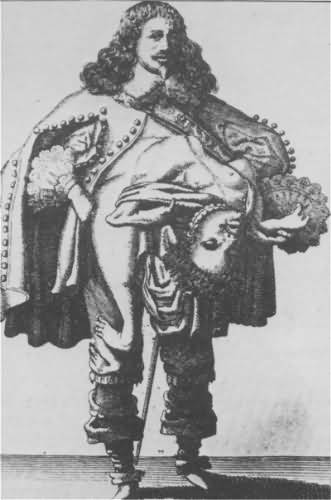
The upper body and left leg of Joannes Baptista (named after John the Baptist ) stuck out of his mobile brother, Lazarus. He did not speak, kept his eyes closed and mouth open all the time, and was a parasitic twin . ... To make a living, Lazarus toured around Europe and visited at least Basel , Switzerland and Copenhagen , Denmark before he arrived in Scotland in 1642 and later visited the court of Charles I of England . He also visited Danzig , Turkey , and toured Germany and Italy in 1646. [1] Contemporary accounts described Lazarus as courteous and handsome, but for his brother who just dangled before him. ... On November 27, 2020 The Ripple Podcast featured the story of Lazarus and Joannes Baptista Colloredo on Episode 46: A Medical Oddity from Italy: Parasitic Twins https://anchor.fm/ripplepod/episodes/A-Medical-Oddity-from-Italy-Parasitic-Twins-Episode-46-en25le
Wide base, poor balance control when in stance Short stride En bloc turns Often patients with frontal lobe ataxia may experience minute cognitive changes that accompany the gait disturbances, such as frontal dementia and presentation of frontal release signs ( Plantar reflex ). ... Handbook Clinical Neurology. 2012;103:619-22. doi: 10.1016/B978-0-444-51892-7.00044-9. ^ Ataxia: Physical Therapy and Rehabilitation Applications for Ataxic Patients, 2014. http://cirrie.buffalo.edu/encyclopedia/en/article/112/#s4 ^ Jody Corey-Bloom; Ronald B. ... ISBN 978-1-933864-35-8 . ^ Ataxia: Physical Therapy and Rehabilitation Applications for Ataxic Patients, 2014. http://cirrie.buffalo.edu/encyclopedia/en/article/112/#s4 ^ Ataxia: Physical Therapy and Rehabilitation Applications for Ataxic Patients, 2014. http://cirrie.buffalo.edu/encyclopedia/en/article/112/#s4 External links [ edit ] Classification D MeSH : D020235
Not being able to urinate or peeing only a small amount. Chills, fever, upset stomach or vomiting. ... First it builds up in the blood, then in the eyes, bones, skin, muscles, blood vessels, heart and other organs. ... These include: Bone disease. Anemia. Skin ulcers. Heart and eye problems. In children, serious problems developing and growing. ... Echocardiogram, an imaging test that can check for oxalate buildup in the heart. Eye exam to check for oxalate deposits in the eyes. ... Do your symptoms happen all the time or only once in a while? How serious are your symptoms?
It can affect one or both of the eyes. If this condition continues, the eyelids can be thickened by lichenification. ... Common items that are irritants and allergens include certain makeup brands, sunscreens, perfumes, swimming goggles, eye drops, false eyelashes, contact lens solution, and airborne particles. [5] [6] [7] Age(infants are more susceptible), genetics, and poor hygiene of the skin are risk factors for eyelid dermatitis. ... Possible complications include skin infection, eye infection, and insomnia . Prevention and treatment [ edit ] Some ways to prevent eyelid dermatitis. includes avoiding scratching or rubbing the eyes, which may cause further inflammation and damage. ... However, this should not be lightly used because it my suppress immune function. [8] [9] See also [ edit ] Skin lesion References [ edit ] ^ a b James, William; Berger, Timothy; Elston, Dirk (2005). Andrews' Diseases of the Skin: Clinical Dermatology . (10th ed.). Saunders. ISBN 0-7216-2921-0 . ^ https://www.medicalnewstoday.com/articles/321004#complications ^ https://www.medicalnewstoday.com/articles/321004#types-and-causes ^ https://onlinelibrary.wiley.com/doi/full/10.1111/j.1600-0536.2006.00927.x ^ https://www.dermnetnz.org/topics/eyelid-contact-dermatitis/ ^ https://journals.lww.com/dermatitis/Abstract/2007/06000/Common_Contact_Allergens_Associated_with_Eyelid.3.aspx ^ https://www.mayoclinic.org/diseases-conditions/contact-dermatitis/symptoms-causes/syc-20352742 ^ https://pubmed.ncbi.nlm.nih.gov/18346395/ ^ https://www.healthline.com/health/eyelid-dermatitis v t e Dermatitis and eczema Atopic dermatitis Besnier's prurigo Seborrheic dermatitis Pityriasis simplex capillitii Cradle cap Contact dermatitis ( allergic , irritant ) plants: Urushiol-induced contact dermatitis African blackwood dermatitis Tulip fingers other: Abietic acid dermatitis Diaper rash Airbag dermatitis Baboon syndrome Contact stomatitis Protein contact dermatitis Eczema Autoimmune estrogen dermatitis Autoimmune progesterone dermatitis Breast eczema Ear eczema Eyelid dermatitis Topical steroid addiction Hand eczema Chronic vesiculobullous hand eczema Hyperkeratotic hand dermatitis Autosensitization dermatitis / Id reaction Candidid Dermatophytid Molluscum dermatitis Circumostomy eczema Dyshidrosis Juvenile plantar dermatosis Nummular eczema Nutritional deficiency eczema Sulzberger–Garbe syndrome Xerotic eczema Pruritus / Itch / Prurigo Lichen simplex chronicus / Prurigo nodularis by location: Pruritus ani Pruritus scroti Pruritus vulvae Scalp pruritus Drug-induced pruritus Hydroxyethyl starch-induced pruritus Senile pruritus Aquagenic pruritus Aquadynia Adult blaschkitis due to liver disease Biliary pruritus Cholestatic pruritus Prion pruritus Prurigo pigmentosa Prurigo simplex Puncta pruritica Uremic pruritus Other substances taken internally: Bromoderma Fixed drug reaction Nummular dermatitis Pityriasis alba Papuloerythroderma of Ofuji This cutaneous condition article is a stub .
In Ecuador, there is strong political opposition to abortion; in 2013 then president Rafael Correa threatened to resign if the abortion law was liberalized. [2] As of 2015, nearly 100 criminal cases of illegal abortion were under investigation. [3] In 2015, Ecuador was urged by CEDAW to decriminalize abortion in cases of rape and incest (under current law abortion in this case is legal only if the woman is mentally disabled) and severe fetal impairment (which is also illegal). [4] See also [ edit ] Abortion Abortion by country Abortion law References [ edit ] ^ http://www.womenonwaves.org/en/page/4944/ecuador--abortion-law ^ https://www.bbc.com/news/world-latin-america-24499248 ^ https://www.hrw.org/news/2015/04/22/ecuador-adopt-un-recommendations-abortion-law ^ https://www.hrw.org/news/2015/04/22/ecuador-adopt-un-recommendations-abortion-law [1] [2] v t e Abortion in South America Sovereign states Argentina Bolivia Brazil Chile Colombia Ecuador Guyana Paraguay Peru Suriname Uruguay Venezuela Dependencies and other territories Falkland Islands French Guiana South Georgia and the South Sandwich Islands v t e Abortion Main topics Definitions History Methods Abortion debate Philosophical aspects Abortion law Movements Abortion-rights movements Anti-abortion movements Issues Abortion and mental health Beginning of human personhood Beginning of pregnancy controversy Abortion-breast cancer hypothesis Anti-abortion violence Abortion under communism Birth control Crisis pregnancy center Ethical aspects of abortion Eugenics Fetal rights Forced abortion Genetics and abortion Late-term abortion Legalized abortion and crime effect Libertarian perspectives on abortion Limit of viability Malthusianism Men's rights Minors and abortion Natalism One-child policy Paternal rights and abortion Prenatal development Reproductive rights Self-induced abortion Sex-selective abortion Sidewalk counseling Societal attitudes towards abortion Socialism Toxic abortion Unsafe abortion Women's rights By country Africa Algeria Angola Benin Botswana Burkina Faso Burundi Cameroon Cape Verde Central African Republic Chad Egypt Ghana Kenya Namibia Nigeria South Africa Uganda Zimbabwe Asia Afghanistan Armenia Azerbaijan Bahrain Bangladesh Bhutan Brunei Cambodia China Cyprus East Timor Georgia India Iran Israel Japan Kazakhstan South Korea Malaysia Nepal Northern Cyprus Philippines Qatar Saudi Arabia Singapore Turkey United Arab Emirates Vietnam Yemen Europe Albania Andorra Austria Belarus Belgium Bosnia and Herzegovina Bulgaria Croatia Czech Republic Denmark Estonia Finland France Germany Greece Hungary Iceland Ireland Italy Kazakhstan Latvia Liechtenstein Lithuania Luxembourg Malta Moldova Monaco Montenegro Netherlands North Macedonia Norway Poland Portugal Romania Russia San Marino Serbia Slovakia Slovenia Spain Sweden Switzerland Ukraine United Kingdom North America Belize Canada Costa Rica Cuba Dominican Republic El Salvador Guatemala Mexico Nicaragua Panama Trinidad and Tobago United States Oceania Australia Micronesia Fiji Kiribati Marshall Islands New Zealand Papua New Guinea Samoa Solomon Islands Tonga Tuvalu Vanuatu South America Argentina Bolivia Brazil Chile Colombia Ecuador Guyana Paraguay Peru Suriname Uruguay Venezuela Law Case law Constitutional law History of abortion law Laws by country Buffer zones Conscientious objection Fetal protection Heartbeat bills Informed consent Late-term restrictions Parental involvement Spousal consent Methods Vacuum aspiration Dilation and evacuation Dilation and curettage Intact D&X Hysterotomy Instillation Menstrual extraction Abortifacient drugs Methotrexate Mifepristone Misoprostol Oxytocin Self-induced abortion Unsafe abortion Religion Buddhism Christianity Catholicism Hinduism Islam Judaism Scientology Category ^ https://aplicaciones.msp.gob.ec/salud/archivosdigitales/documentosDirecciones/dnn/archivos/ac_00005195_2014%2020%20nov.pdf ^ http://www.womenonwaves.org/article-1572-en.html
Eye melanoma that spreads beyond the eye. ... But it may take a few months to adjust to your new vision. Having only one eye affects your ability to judge distance. ... Where is myeye melanoma located? What is the size of myeye melanoma? Has myeye melanoma spread beyond myeye? Will I need additional tests? What are my treatment options? Can any treatments cure myeye melanoma?
Ocular melanoma (OM) is a cancer in pigment-producing cells of the eye called melanocytes. Melanocytes are cells that produce the pigment melanin that colors the skin, hair, and eyes, as well as forms moles. There are four tissues in the eye in which melanoma can develop: the uveal tract (uvea ); conjunctiva ; eyelid; and orbit . The uvea - the middle layer within the eye - is divided into three main parts: the iris , ciliary body , and choroid . ... Conjunctival melanoma manifests on the surface of the eye and has been increasing in incidence.
In coordination with the MOH, other state sectors, such as the Ministry of Education and the Ministry for Women and Social Development , have programs directed at educating and protecting adolescents and children and preventing HIV/AIDS by promoting healthy lifestyles and reducing high-risk behaviors. ... Also working with these populations are the Alianza en Accion +, Coordinadora Peruana de Personas Viviendo con VIH/SIDA, and GAM Renacer. ... ISBN 978-92-9173-871-7 . ^ a b "Informe Nacional sobre los progresos realizados en la aplicación del UNGASS Perú, durante el período 2008-2009" (PDF) (in Spanish). ... Retrieved October 31, 2018 . ^ Progress report 2011: Global HIV/AIDS response: Epidemic update and health sector progress towards Universal Access (PDF) . ... Retrieved November 1, 2018 . ^ "Una aproximación cualitativa a la prevención del VIH-Sida en dos comunidades nativas de Ucayali" (PDF) .
If a tear is not identified at this visit, your doctor may ask you to return within a few weeks to confirm that your eye has not developed a delayed tear as a result of the same vitreous separation. ... After giving you a local anesthetic to numb your eye, the surgeon applies a freezing probe to the outer surface of the eye directly over the tear. ... Optimize the vision you have with glasses that are specifically tailored for your eyes. Request safety lenses to protect your better-seeing eye. ... Have you had any symptoms in your other eye? Have you ever had an eye injury? Have you ever experienced eye inflammation? Have you ever had eye surgery?
Vitreoretinal degeneration and tear formation are painless phenomena, and in most cases, significant vitreoretinal pathology is found only after detachment of the retina starts to cause loss of vision or visual field. ... Some showed involvement in 3 generations and one in 4 generations. Eyes - Retinal detachment - No myopia Inheritance - Autosomal dominant ▲ Close
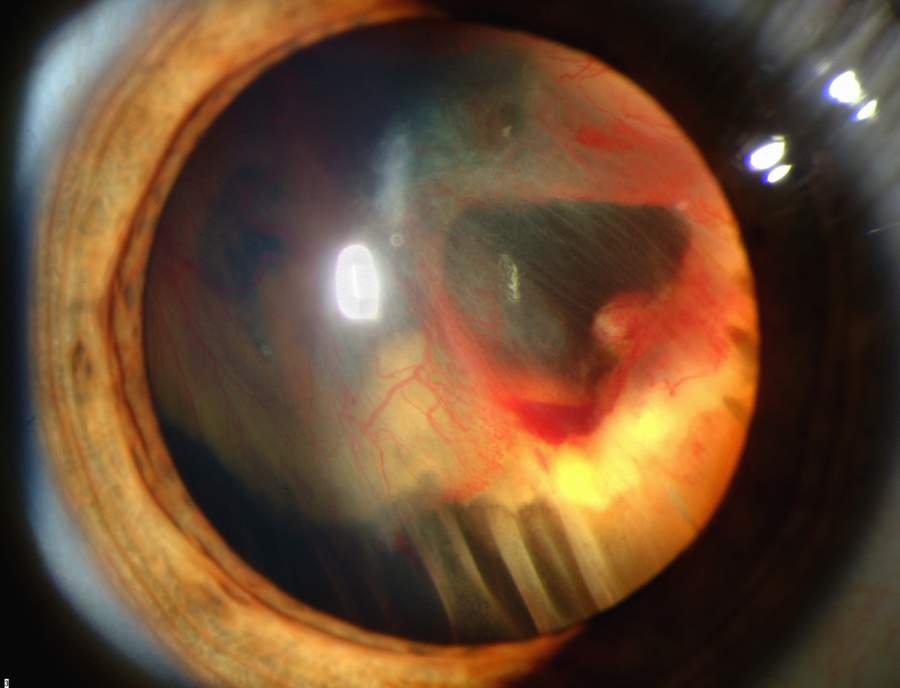
Eye disorder Retinal detachment Other names Detached retina Slit lamp photograph showing retinal detachment beneath blood inside the eye. ... The most common side effect of a scleral operation is myopic shift. That is, the operated eye will be more short sighted after the operation. ... In advanced disease, the vessels can pull the retina away from the back wall of the eye, leading to tractional retinal detachment. Although retinal detachment usually occurs in just one eye, there is a 15% chance of it developing in the other eye, and this risk increases to 25–30% in patients who have had a retinal detachment and cataracts extracted from both eyes. [36] See also [ edit ] Cystathionine beta synthase deficiency Retinoschisis Retinal regeneration Moore's lightning streaks References [ edit ] ^ a b c d e f g h i j k l m n o p q r s Fraser, S; Steel, D (24 November 2010). ... Retrieved 26 July 2016 . ^ a b c d e f Gelston, CD (15 October 2013). "Common eye emergencies". American Family Physician . 88 (8): 515–19.
Loved ones can accompany your child to doctor visits or sit by his or her bedside in the hospital when you can't be there. ... For neuroblastoma, some basic questions to ask your child's doctor include: What is likely causing my child's symptoms or condition? What are other possible causes for my child's symptoms or condition? What kinds of tests does my child need? Is my child's condition likely temporary or chronic? ... What are the alternatives to the primary approach that you're suggesting? My child has these other health conditions. How can they best be managed together? Are there any restrictions that my child needs to follow? Should my child see a specialist?
A number sign (#) is used with this entry because susceptibility to neuroblastoma-3 (NBLST3) is conferred by germline or somatic mutations in the ALK gene (105590) on chromosome 2p23. For a general phenotypic description and a discussion of genetic heterogeneity of neuroblastoma, see NBLST1 (256700). Molecular Genetics Mosse et al. (2008) identified 3 separate germline missense mutations in the tyrosine kinase domain of the ALK gene that segregated with the disease in 8 separate families with neuroblastoma. There was incomplete penetrance. Resequencing in 194 high-risk neuroblastoma the samples showed somatically acquired mutations in the tyrosine kinase domain in 12.4% of samples. Nine of the 10 mutations mapped to critical regions of the kinase domain and were predicted with high probability to be oncogenic drivers.
They suggested that heterozygotes for a 'neuroblastoma gene' may have only neuroblastoma in situ. Perucho et al. (1981) found that DNA from a neuroblastoma cell line contained a transforming element, i.e., one that would transform mouse fibroblasts which became thereby tumorigenic in nude mice. ... Cytogenetic analysis of blood lymphocytes demonstrated an interstitial deletion of 1p36.2-p36.1, which was apparent only with high-resolution banding. The interstitial deletion involving subbands of 1p36 was corroborated by molecular analysis with a collection of polymorphic DNA probes for 1p. ... Metastatic deposits can be found in the skin, presenting as bluish lumps, in the bone marrow, where they form only a small proportion of the nucleated cells, and, most significantly, in the liver, with huge homogeneous involvement. ... The chromosome 10 breakpoint interrupted a novel transcript, called TRNG10, that could only be detected in tumor cells. This transcript has no exon/intron structure or significant open reading frame, suggesting that it is a structural RNA that is transcribed but not translated. ... In 1 tumor, the variant was present in hemizygous form due to deletion of the more common allele, whereas in the other tumor it was present in heterozygous form. Only 1 of 194 normal control alleles was found to carry this variant; thus, none of 97 healthy control individuals was homozygous.
For a general phenotypic description and a discussion of genetic heterogeneity of neuroblastoma, see NBLST1 (256700). Mapping In a genomewide analysis of 397 patients with high-risk aggressive neuroblastoma derived from the 1,032 patients in a study by Maris et al. (2008) and 2,043 controls, Capasso et al. (2009) found a significant association with 6 SNPs at chromosome 2q35 within the BARD1 locus (601593) (p = 2.35 x 10(-9) to 2.25 x 10(-8)). The associations were confirmed in a second series of 189 high-risk cases and 1,178 controls (p = 7.90 x 10(-7) to 2.77 x 10(-4)). Testing of the 2 most significant SNPs (rs6435862 and rs3768716) in 2 additional independent high-risk neuroblastoma case series yielded a combined allelic odds ratio of 1.68 for each SNP (p = 8.65 x 10(-18) and 2.74 x 10(-16), respectively). These data suggested that common variation in the BARD1 gene may contribute to the etiology of aggressive human neuroblastoma.
Neuroblastoma is a tumor that develops from neuroblasts (immature nerve tissue) in an infant or child, usually before the age of 5. It most often develops in infancy and may be diagnosed in the first month of life. The tumor most often develops in the adrenal gland , but may develop in the neck, chest, or spinal cord. It is considered an aggressive tumor because it often spreads to other parts of the body ( metastasizes ). In most cases, it has spread by the time it is diagnosed. A neuroblastoma can cause a variety of signs and symptoms, including a lump where the tumor is growing, bone pain, diarrhea, and various neurological symptoms.
Neuroblastoma is a malignant tumor of neural crest cells, the cells that give rise to the sympathetic nervous system, which is observed in children. Epidemiology It represents about 10% of solid tumors in infants and children under the age of 15, with an annual incidence of about 1/70,000 in children in this class of age. Clinical description In 90% of cases the neuroblastoma is diagnosed before the age of five. The clinical presentation of neuroblastoma is very variable and depends on the stage and location of the tumor, which can develop at any site in the sympathetic nervous system (around 80% of cases develop in the abdomen). Localized forms are discovered fortuitously or are revealed by the presence of an abdominal or thoracic mass that can be associated with pain.
Bone lesions in the legs and hips may cause pain and limping. A tumor in the bones around the eyes or orbits may cause distinct bruising and swelling. ... In contrast, therapy for high-risk neuroblastoma the past two decades [ when? ] resulted in cures only about 30% of the time. [51] The addition of antibody therapy has raised survival rates for high-risk disease significantly. In March 2009, an early analysis of a Children's Oncology Group (COG) study with 226 people that are high-risk showed that two years after stem cell transplant 66% of the group randomized to receive ch14.18 antibody with GM-CSF and IL-2 were alive and disease-free compared to only 46% in the group that did not receive the antibody. ... The age range is broad, including older children and adults, [70] but only 10% of cases occur in people older than 5 years of age. [23] A large European study reported less than 2% of over 4000 neuroblastoma cases were over 18 years old. [71] History [ edit ] Rudolf Virchow : the first to describe an abdominal tumor in a child as a "glioma" In 1864 German physician Rudolf Virchow was the first to describe an abdominal tumor in a child as a "glioma".
For a general phenotypic description and a discussion of genetic heterogeneity of neuroblastoma, see NBLST1 (256700). Mapping Maris et al. (2008) provided evidence for 1 or more candidate neuroblastoma susceptibility genes on chromosome 6p22. Among 1,032 neuroblastoma patients and 2,043 controls of European descent, the authors observed an association between disease and 3 SNPs on chromosome 6p22: rs6939340, rs4712653, and rs9295536, yielding p values of 1.71 x 10(-9) to 7.01 x 10(-10) (allelic odds ratio of 1.39 to 1.40). The findings suggested that common genetic variants may predispose to increased risk for neuroblastic malignant transformation. In a genomewide analysis of 397 patients with high-risk aggressive neuroblastoma derived from the 1,032 patients in the study of Maris et al. (2008) and 2,043 controls, Capasso et al. (2009) confirmed the association of the 3 SNPs at 6p22 identified by Maris et al. (2008) as being more significantly associated with a high-risk subtype of neuroblastoma.
They first observed a hemizygous approximately 300-kb deletion at 1q21.1 that occurred in 15.6% of cases but in only 9.1% of controls. The difference in hemizygous deletion frequency was significant at p = 1.83 x 10(-19).
A number sign (#) is used with this entry because susceptibility to neuroblastoma-2 (NBLST2) is conferred by germline mutations in the PHOX2B gene (603851) on chromosome 4p13. For a general phenotypic description and a discussion of genetic heterogeneity of neuroblastoma, see NBLST1 (256700). See also congenital central hypoventilation syndrome (CCHS; 209880), which is also caused by mutation in the PHOX2B gene. Patients with CCHS have a high predisposing risk of developing a tumor of the sympathetic nervous system, as indicated by a 5 to 10% occurrence of neuroblastoma, ganglioneuroblastoma, and ganglioneuroma (Rohrer et al., 2002; Amiel et al., 2003). Clinical Features Trochet et al. (2004) reported a family with neuroblastoma.
For a general phenotypic description and a discussion of genetic heterogeneity of neuroblastoma, see NBLST1 (256700). Mapping To identify genetic risk factors for neuroblastoma, Wang et al. (2011) performed a genomewide association study on 2,251 patients and 6,097 control subjects of European ancestry from 4 case series. Wang et al. (2011) reported a significant association with LMO1 (186921) at 11p15.4 (rs110419, combined p = 5.2 x 10(-16), odds ratio (OR) risk allele = 1.34, 95% CI 1.25-1.44). The signal was enriched in the subset of patients with the most aggressive form of the disease. LMO1 encodes a cysteine-rich transcriptional regulator, and its paralogs LMO2 (180385), LMO3 (180386), and LMO4 (603129) have each been implicated in cancer.
Tourist experience of being overwhelmed by finally visiting Paris This article needs additional citations for verification . ... In the article, they state that, between 1988 and 2004, only 63 Japanese patients were hospitalized and referred to Dr. ... Retrieved 5 November 2009 . ^ Viala, A.; Ota, H.; Vacheron, M.N.; Martin, P.; Caroli, F. (June 2004). "Les japonais en voyage pathologique à Paris: un modèle original de prise en charge transculturelle" [Japanese pathological trip to Paris: an original model of cross-cultural management]. ... Total pages: 219 ^ "Contacts" . Ambassade du Japon en France (in French). Ministry of Foreign Affairs of Japan. 7 January 2020. Archived from the original on 1 January 2020 . Retrieved 12 April 2020 . En dépit d'informations erronées publiées/citées dans (par) divers médias, l'Ambassade du Japon en France vous informe ne disposer d'aucun service téléphonique dévolu au soi-disant "syndrome de Paris" et ne répondra à aucune sollicitation de quelque nature que ce soit concernant ce sujet. ^ ご意見・ご相談 | 在フランス日本国大使館 .
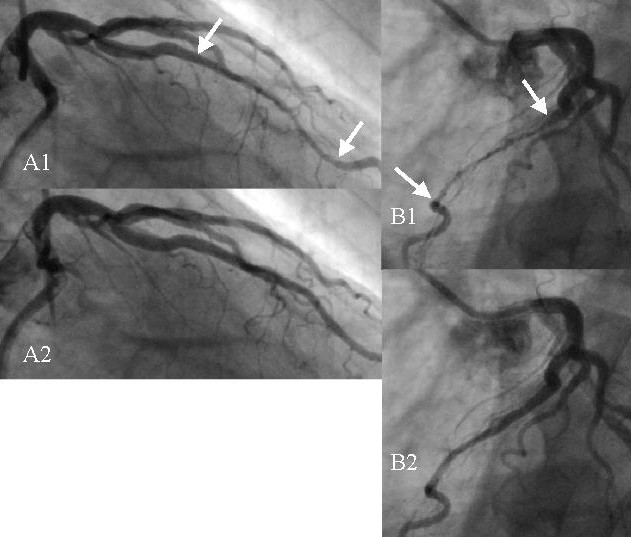
Notably, many myocardial bridge patients have had bypass surgery only to later need unroofing surgery after the bypass proved unsuccessful. [1] However, papers by Ekeke et al., 2015 [15] and others have shown bypass surgery is helpful as an addition to supplement unroofing surgery, but only when there is significant plaque just before (proximal to) the myocardial bridge or anatomic anomalies increase the risk of recurrence of such plaque. ... These data suggest that angina, acute coronary syndromes, and arrhythmias in patients with myocardial bridging may be explained by the reduced ischemic threshold.” [17] In other words, while the myocardial bridge itself only compresses the artery while the heart squeezes ( systolic period ), which is only 15% of the time in the heartbeat cycle, in fact the artery stays compressed long after the heart relaxes. ... Thus the coronary artery is fully open to allow normal blood flow for only a small percentage of each heartbeat cycle. ... Patient success stories [ edit ] ‘I have my life back’: Kathy Hoseth battled inexplicable chest pains much of her life—until she finally found the cardiothoracic surgeon who could remedy her condition. by Zinta Aistars Spectrum Health Beat, September 2019 https://healthbeat.spectrumhealth.org/sharp-lifelong-chest-pain-myocardial-bridge-surgery-women-cardiac-disparities/?hootPostID=43ea49e6229634fc9c07a04f4d036b59 Treating an Overlooked Condition by Samantha Beal Stanford Children's Health, February 22, 2017 https://healthier.stanfordchildrens.org/en/treating-an-overlooked-heart-condition/ Abu Dhabi surgeons complete Middle East's first robotic surgery for rare heart condition Cleveland Clinic Abu Dhabi, December 13, 2017 https://www.clevelandclinicabudhabi.ae/en/media-center/news/pages/abu-dhabi-surgeons-complete-middle-easts-first-robotic-surgery-for-rare-heart-condition.aspx Why Does Kyle Watson Keep Running?
Haiti, Guadeloupe, Antilles and Francophone Africa. [3] The term BD was originally coined and described by Valentin Magnan (1835-1916), fell into relative disuse and was later revived by Henri Ey (1900-1977). [4] Contents 1 Terminology 2 Description 3 Formal classification 4 Incidence 5 Treatment 6 Prognosis 7 Society 8 Summary 9 See also 10 References Terminology [ edit ] The French word bouffée is often translated as a puff or waft (as of air), but can also mean a flash, rush or surge. ... The World Health Organization edition of the International Classification of Disease 10th edition:version 2019 (ICD-10, CIM-10 en français), lists BD as the subentry "Bouffée délirante without symptoms of schizophrenia or unspecified" under diagnosis code F23: Acute and Transient Psychotic Disorders subsection, F23.0: Acute polymorphic psychotic disorder without symptoms of schizophrenia. [12] It is likely that the use of the term BD in French clinical psychiatry will decline further with the proposed 2022 implementation of ICD-11 (which was released in May 2019.) ... DOI : 10.3917/inpsy.8904.0319. URL : https://www.cairn.info/revue-l-information-psychiatrique-2013-4-page-319.htm ^ International Edition ICD-10 (2019) URL : https://icd.who.int/browse10/2019/en#/F23.1 ^ https://icd.who.int/browse11/l-m/en#/http%3a%2f%2fid.who.int%2ficd%2fentity%2f284410555 ^ Castagnini, op.cit. ^ American Psychiatric Association. (2013). ... Washington, DC. ^ Chafaï MD, Sofiane, Attending Psychiatrist (2019), Lettre de liaison (personal correspondence 07/17/2019), GHU Paris, Site Bichat, Maison Blanche. ^ Marneros, Andreas and Pillmann, Frank (2004) Acute and Transient Psychoses, Cambridge: Cambridge University Press ^ Pillmann (2003) op.cit. ^ Castagnini, Augusto & Gian Maria Galeazzi (2016) Acute and transient psychoses: clinical and nosological issues BJPsych Advances, vol. 22, 292–300 ^ Marneros, op.cit. ^ Chafaï, op.cit. ^ Mojtabai, Ramin (2018) Brief psychotic disorder, UpToDate, http://www.uptodate.com (accessed 03/24/20) ^ Fusar-Poli, P.
. ^ a b Ahuja Vyas: Textbook of Postgraduate Psychiatry (2 Vols.), 2nd ed. 1999 ^ a b http://www.medterms.com/script/main/art.asp?articlekey=11249 ^ http://www.ninds.nih.gov/disorders/pdd/pdd.htm ^ "ICD-10 Version:2010" . apps.who.int . ... Taylor: Child and Adolescent Psychiatry , 4th ed. 2005 ^ Robert Jean Campbell, III: Campbell's Psychiatric Dictionary , 2003, page 184 ^ http://apps.who.int/classifications/icd10/browse/2010/en#/F80 Reference for all ICD-10 disorders mentioned in the table. ^ http://behavenet.com/apa-diagnostic-classification-dsm-iv-tr#301 Reference for all DSM-IV-TR disorders mentioned in the table. ^ https://icd.who.int/browse11/l-m/en#/http%3a%2f%2fid.who.int%2ficd%2fentity%2f334423054 Reference for all ICD-11 disorders mentioned in the table External links [ edit ] Classification D ICD - 10 : F80 , F81 , F82 , F83 ICD - 9-CM : 307 , 315 v t e Dyslexia and related specific developmental disorders Conditions Speech, language , and communication Expressive language disorder Infantile speech Landau–Kleffner syndrome Language disorder Lisp Mixed receptive-expressive language disorder Specific language impairment Speech and language impairment Speech disorder Speech error Speech sound disorder Stuttering Tip of the tongue Learning disability Dyslexia Dyscalculia Dysgraphia Disorder of written expression Motor Developmental coordination disorder Developmental verbal dyspraxia Sensory Auditory processing disorder Sensory processing disorder Related topics Dyslexia research Irlen filters Learning Ally Learning problems in childhood cancer Literacy Management of dyslexia Multisensory integration Neuropsychology Reading acquisition Spelling Writing system Lists Dyslexia in fiction Languages by Writing System People with dyslexia
Contents 1 Types 2 Removal 3 Epidemiology 4 History 5 In literature 6 Notable people born "in the caul" 7 References 8 External links Types [ edit ] The amniotic sac from an en-caul birth A child "born with the caul" has a portion of a birth membrane remaining on the head. ... If removed too quickly, the caul can leave wounds on the infant's flesh at the attachment points, which may leave permanent scars. [2] Epidemiology [ edit ] Birth with a caul is rare, occurring in fewer than 1 in 80,000 births. This statistic includes en-caul births, which occur more frequently than authentic caul births; therefore authentic caul births are rarer than the statistic indicates. [3] Most "en-caul" births are premature. ... In Ami McKay 's The Birth House , the main character, Dora Rare, is born with a caul over her eyes. Because the character is born in a sailing town, the caul is considered valuable, and the mother gives it to the midwife for safe keeping. ... Thefreedictionary.com. Retrieved on 2011-10-15. ^ a b http://caulbearersunited.webs.com/-%20New%20Folder/EarliestCaulBearer.pdf [ full citation needed ] [ permanent dead link ] [ self-published source ] ^ Caul, or Face Veil, Occasionally Present at Birth . ... ISBN 0-375-76081-4 . ^ Woodburn, Kim (7 September 2006). Unbeaten: The Story of My Brutal Childhood . Hodder & Stoughton Ltd.
Others may wake with dried tears around their eyes and a feeling of sand in their eyes. ... If you don't respond to treatment, or if you've also lost eyelashes or only one eye is affected, the condition could be caused by a localized eyelid cancer. ... Can I continue to wear eye makeup? Will I need a follow-up visit? ... Has anyone close to you had a recent eye infection? Have you ever had any eye diseases, eye surgeries or eye injuries? ... Rinse your eyes thoroughly with warm water. Avoid anything that irritates your eyes, such as eye makeup and contact lenses.
Blepharitis An infant with mild blepharitis on his right side Pronunciation / b l ɛ f ə ˈ r aɪ t ɪ s / BLEF -ər- EYE -tis Specialty Ophthalmology Symptoms crusty eyelids Blepharitis is one of the most common ocular conditions characterized by inflammation , scaling, reddening, and crusting of the eyelid . This condition may also cause burning, itching, or a grainy sensation when introducing foreign objects or substances to the eye. Although blepharitis is not sight-threatening, it can lead to permanent alterations of the eyelid margin. ... In treating Blepharitis caused by D. folliculorum , mechanical cleaning and proper hygiene are important towards decreasing the parasites numbers. [6] Scaling and bacterial debris at the base of the eyelashes Associated Symptoms: Watery eyes - due to excessive tearing. [7] Red eyes - due to dilated blood vessels on the sclera. [7] Swollen eyelids - due to inflammation. [7] Crusting at the eyelid margins/base of the eyelashes/ medial canthus , generally worse on waking - due to excessive bacterial buildup along the lid margins. [4] [5] [7] Eyelid sticking - due to crusting along the eyelid margin. [7] Eyelid itching - due to the irritation from inflammation and epidermis scaling of the eyelid. [7] Flaking of skin on eyelids - due to tear film suppressed by clogged meibomian glands. [7] Gritty/burning sensation in the eye, or foreign-body sensation - due to crusting from bacteria and clogged oil glands [7] Frequent blinking - due to impaired tear film from clogged oil glands unable to keep tears from evaporating. [7] Light sensitivity/ photophobia [5] [7] Misdirected eyelashes that grow abnormally - due to permanent damage to the eyelid margin [7] Eyelash loss - due to excessive buildup of bacteria along the base of the eyelashes. [7] Infection of the eyelash follicle/sebaceous gland ( hordeolum ) Debris in the tear film , seen under magnification (improved contrast with use of fluorescein drops) External hordeolum Chronic blepharitis may result in damage of varying severity and, in the worst cases, may have a negative effect on vision. ... Consequently, the measurement of tear osmolarity has various limitations in differentiating between aqueous deficiencies and evaporative dry eye. [21] Microscopic evaluation of epilated eyelashes may reveal mites, which have been evident in cases of chronic blepharoconjunctivitis . ... PMID 20689407 . ^ Blepharitis Tests and diagnosis - Diseases and Conditions - Mayo Clinic ^ Medscape: Medscape Access ^ Savini G, Prabhawasat P, Kojima T, Grueterich M, Espana E, Goto E (March 2008). "The challenge of dry eye diagnosis" . Clinical Ophthalmology (Auckland, N.Z.) . 2 (1): 31–55. doi : 10.2147/opth.s1496 .
In aniridia (an-ih-RID-e-uh), the colored portion of the eye, known as the iris, forms only in part or not at all. ... In the United States, the stages for Wilms tumor are: Stage 1. The cancer is found only in one kidney. Surgery can remove it all. ... Afterward check with your child's provider before scheduling visits to the dentist. Check with the provider before vaccinations. ... For Wilms tumor, some questions to ask include: What tests does my child need? What stage is my child's cancer? ... What's my child's outlook? What is the likelihood that the cancer will come back?
A number sign (#) is used with this entry because of evidence that susceptibility to Wilms tumor can be caused by mutation in the REST (600571) gene on 4q12. For a general phenotypic description and discussion of genetic heterogeneity of Wilms tumor, see WT1 (194070). Molecular Genetics To identify predisposition genes for Wilms tumor, Mahamdallie et al. (2015) performed exome sequencing in 24 individuals with Wilms tumor from 12 families and identified 2 different frameshift mutations (600571.0001, 600571.0002) that segregated with the disease in 2 unrelated families. Neither was present in the ICR1000 and ExAC browsers. The mutations were confirmed by Sanger sequencing. Subsequently, Mahamdallie et al. (2015) performed Sanger sequencing of the full coding sequence and intron-exon boundaries of the REST gene in 38 individuals with familial Wilms tumor from 27 families.
Reynolds et al. (1996) investigated a patient who presented with 1 Wilms tumor and bilateral nephrogenic rests (suggestive of a predisposition) associated with a de novo t(1;7)(q42;p15) constitutional translocation as the only visible cytogenetic abnormality. ... Furthermore, they defined more accurately the extension of the interstitial deletion, mapping it within an interval of approximately 390 kb. They stated that only a single expressed gene, POU6F2, had been identified in this interval.
A number sign (#) is used with this entry because of evidence that Wilms tumor-2 (WT2) is caused by mutation of the H19/IGF2-imprinting control region (ICR1; 616186) on chromosome 11p15. ICR1 controls imprinted expression of H19 (103280) and IGF2 (147470). ICR1 and a neighboring imprinted gene cluster are implicated in Beckwith-Wiedemann syndrome (BWS; 130650), of which Wilms tumor is a common feature. For a general phenotypic description and discussion of genetic heterogeneity of Wilms tumor, see WT1 (194070). Mapping Using a range of probes for chromosome 11, Mannens et al. (1988) demonstrated that loss of heterozygosity in Wilms tumors may involve chromosome 11p15.5 in addition to 11p13.
In particular, cases of bilateral Wilms' tumor, as well as cases of Wilms' tumor derived from certain genetic syndromes such as Denys-Drash syndrome , are strongly associated with nephrogenic rests. [5] Most nephroblastomas are on one side of the body only and are found on both sides in less than 5% of cases, although people with Denys-Drash syndrome mostly have bilateral or multiple tumors. [6] They tend to be encapsulated and vascularized tumors that do not cross the midline of the abdomen. ... Stage [23] Histopathology [23] 4 Year relapse-free survival (RFS) or event-free survival (EFS) [23] 4 Year overall survival (OS) [23] Treatment [23] Stage I [23] Favorable histology in children younger than 24 months or tumor weight less than 550g 85% 98% Surgery only (should be done only within the context of a clinical trial) Favorable histology in children older than 24 months or tumor weight more than 550g 94% RFS 98% Nephrectomy + lymph node sampling followed by regimen EE-4A Diffuse anaplastic 68% EFS 80% Nephrectomy + lymph node sampling followed by regimen EE-4A and radiotherapy Stage II [23] Favorable histology 86% RFS 98% Nephrectomy + lymph node sampling followed by regimen EE-4A Focal anaplastic 80% EFS 80% Nephrectomy + lymph node sampling followed by abdominal radiotherapy and regimen DD-4A Diffuse anaplastic 83% EFS 82% Nephrectomy + lymph node sampling followed by abdominal radiotherapy and regimen I Stage III [23] Favorable histology 87% RFS 94% Nephrectomy + lymph node sampling followed by abdominal radiotherapy and regimen DD-4A Focal anaplastic 88% RFS 100% (8 people in study) Nephrectomy + lymph node sampling followed by abdominal radiotherapy and regimen DD-4A Focal anaplastic (preoperative treatment) 71% RFS 71% Preoperative treatment with regimen DD-4A followed by nephrectomy + lymph node sampling and abdominal radiotherapy Diffuse anaplastic 46% EFS 53% Preoperative treatment with regimen I followed by nephrectomy + lymph node sampling and abdominal radiotherapy Diffuse anaplastic 65% EFS 67% Immediate nephrectomy + lymph node sampling followed by abdominal radiotherapy and regimen I Stage IV [23] Favorable histology 76% RFS 86% Nephrectomy + lymph node sampling, followed by abdominal radiotherapy, bilateral pulmonary radiotherapy, and regimen DD-4A Focal anaplastic 61% EFS 72% Nephrectomy + lymph node sampling, followed by abdominal radiotherapy, bilateral pulmonary radiotherapy, and regimen DD-4A Diffuse anaplastic 33% EFS 33% Immediate nephrectomy + lymph node sampling followed by abdominal radiotherapy, whole-lung radiotherapy, and regimen I Diffuse anaplastic (preoperative treatment) 31% EFS 44% Preoperative treatment with regimen I followed by nephrectomy + lymph node sampling followed by abdominal radiotherapy, whole-lung radiotherapy Stage V [23] Overall 61% EFS 80% Favorable histology 65% 87% Preoperative treatment with regimen DD-4A , followed by nephron sparing surgery or nephrecomy, staging of tumors, and chemotherapy and/or radiotherapy based on pathology and staging Focal anaplastic 76% 88% Preoperative treatment with regimen DD-4A , followed by nephron sparing surgery or nephrecomy, staging of tumors, and chemotherapy and/or radiotherapy based on pathology and staging Diffuse anaplastic 25% 42% Preoperative treatment with regimen DD-4A , followed by nephron sparing surgery or nephrecomy, staging of tumors, and chemotherapy and/or radiotherapy based on pathology and staging In case of relapse of Wilms' tumor, the 4-year survival rate for children with a standard-risk has been estimated to be 80%. [24] Epidemiology [ edit ] Wilms tumor is the most common malignant renal tumor in children. [25] There are a number of rare genetic syndromes that have been linked to an increased risk of developing Wilms Tumor. [26] Screening guidelines vary between countries; however health care professionals are recommending regular ultrasound screening for people with associated genetic syndromes. [26] Wilms' tumor affects approximately one person per 10,000 worldwide before the age of 15 years. [27] People of African descent may have slightly higher rates of Wilms' tumor. [27] The peak age of Wilms' tumor is 3 to 4 years and most cases occur before the age of 10 years. [28] A genetic predisposition to Wilms' tumor in individuals with aniridia has been established, due to deletions in the p13 band on chromosome 11. [29] History [ edit ] Dr. ... "Wilms tumor genetics: mutations in WT1, WTX, and CTNNB1 account for only about one-third of tumors" . Genes, Chromosomes & Cancer . 47 (6): 461–70. doi : 10.1002/gcc.20553 .
Bond (1975) found associated congenital anomalies in 5 of 11 cases of bilateral Wilms tumor and in only 3 of 76 cases of unilateral Wilms tumor. ... By PCR-SSCP, they found that mutations in the WT1 gene are rare, occurring in only 6 tumors analyzed. In 1 sample, 2 independent intragenic mutations inactivated both WT1 alleles, providing a singular example of 2 different somatic alterations restricted to the WT1 gene. ... White et al. (2002) identified 2 nonconservative single base changes in the GPC gene (300037.0006-300037.0007) in Wilms tumor tissue only, implying a possible role of GPC3 in Wilms tumor development. ... Slade et al. (2010) concluded that abrogation of HACE1 activity may predispose to the development of Wilms tumor, although HACE1 mutation is rare and makes only a small contribution to disease incidence. ... However, the mutant protein with the truncation at codon 396 accounted for only 5% of Wt1 protein in both heterozygous embryonic stem cells and the Wilms tumor.
For a general phenotypic description and a discussion of genetic heterogeneity of Wilms tumor, see WT1 (194070). Mapping With loss of heterozygosity studies, Maw et al. (1992) concluded that a third Wilms tumor locus (WT3) is on 16q. In addition to loss on chromosome 11p (11 of 25 informative Wilms tumors), there was significant loss on 16q (9 of 45 informative tumors), while the total frequency of allele loss excluding these loci was low (9 of 426 total informative loci). They screened loci on 33 autosomal arms. The parental origin of the lost chromosome 16q allele was paternal in 4 and maternal in 4 sporadic tumors tested. Thus, unlike chromosome 11p, alleles of either parental origin are lost on 16q.
A rare malignant renal tumor, typically affecting the pediatric population, characterized by an abnormal proliferation of cells that resemble the kidney cells of an embryo (metanephroma), leading to the term embryonal tumor. Epidemiology The annual incidence is estimated at about 1/10,000 births and it affects boys as well as girls. Clinical description Nephroblastoma mainly affects young children, between the ages 1 and 5 years, but 15% of nephroblastomas occur before the age of 1 year and 2% after the age of 8 years. Adult forms are very rare. An abdominal mass (unilateral in most cases) is frequently present. Patients sometimes experience abdominal pain (around 10% of cases), hypertension, fever (20% of cases), hematuria and anemia.
For a general phenotypic description and discussion of genetic heterogeneity of Wilms tumor, see WT1 (194070). Clinical Features Rahman et al. (1996) described a large Canadian family with 7 confirmed cases of Wilms tumor in 3 generations. No congenital abnormalities or other cancers had been observed in the family. The average age of presentation was 5 years (age range of 2 to 12 years), which is older than the average age of diagnosis of sporadic WT (3 to 4 years). Typical triphasic histology with stromal, blastemal, and epithelial elements was found in 5 tumors, while the sixth tumor was predominantly myogenic.
Wilms tumor rarely develops in adults; only about 300 such cases have been described. ... Approximately 90 percent of these cancers are due to somatic mutations, which means that the mutations are acquired during a person's lifetime and are present only in the tumor cells. Mutations that are present in cells throughout the body (called germline mutations) are responsible for the remaining 10 percent of Wilms tumor cases and cause either Wilms tumor without any other signs or symptoms or syndromes in which Wilms tumor is one of multiple features. ... In females (who have two X chromosomes), a mutation in one of the two copies of the gene in each cell is sufficient to increase a person's chance of developing cancer. In males (who have only one X chromosome), a mutation in the only copy of the gene in each cell increases their cancer risk.
In other words, instead of having a skull cap protecting the brain, there is only skin covering it. [1] The size of the area that is missing the skull cap can vary from case to case. ... Health Grades Inc., n.d. Web. 27 Nov. 2012. < http://www.rightdiagnosis.com/a/acalvaria/intro.htm ^ a b c d e "Acalvaria." Orphanet. N.p., n.d. Web. 18 Nov. 2012. < http://www.orpha.net/consor/cgi-bin/OC_Exp.php?lng=EN ^ Harris, C. P., Townsend, J. J. and Carey, J. ... N.p., 17 June 2004. Web. 20 Nov. 2012. < http://medind.nic.in/ibv/t04/i6/ibvt04i6p618.pdf [ permanent dead link ] ^ a b Moore, Kathleen, Raj P.
Journal of Clinical Investigation, 61(1), 163. ^ Genetics Home Reference (n.d.), GK. Retrieved from http://ghr.nlm.nih.gov/gene/GK ^ Glycerol Kinase (n.d.). Retrieved from http://omim.org/entry/300474 ^ Huq, A. ... Pseudo-hypertriglyceridaemia or hyperglycerolemia?. Clínica e Investigación en Arteriosclerosis, 25(3), 123-126. ^ Orphanet (n.d.), The Portal for Rare Diseases and Orphan Drugs. Retrieved from http://www.orpha.net/consor/cgi-bin/OC_Exp.php?lng=EN&Expert=284411 ^ Medicinenet.com (n.d.), Retrieved from http://www.medicinenet.com/fibrates/article.htm , ^ Fabiani, R.
Four patients from 2 families were free of symptoms, 3 patients had gastrointestinal symptoms with ketoacidosis or hypoglycemia or both, and 1 patient had recurrent convulsions as the only acute sign, without evidence that it was correlated with a catabolic state. ... These results suggested a potentially important genetic connection between fasting glycerolemia and glucose homeostasis, not only in this X-linked deficiency but, potentially, in individuals within the 'normal' range of plasma glycerol concentrations. ... INHERITANCE - X-linked recessive GROWTH Height - Short stature Other - Small for gestational age HEAD & NECK Face - Mild facial dysmorphism may occur - 'Hourglass' midface - Frontal bossing Ears - Wide, flattened earlobes - Low-set ears Eyes - Strabismus - Hypertelorism - Rounded palpebral fissures Mouth - Downturned mouth GENITOURINARY Internal Genitalia (Male) - Cryptorchidism may occur SKELETAL - Osteoporosis MUSCLE, SOFT TISSUES - Duchenne muscular dystrophy (DMD, 310200 ) in 'complex' form NEUROLOGIC Central Nervous System - Mental retardation may occur - Psychomotor retardation - Seizures METABOLIC FEATURES - Lethargy or loss of consciousness during illness or fasting - Metabolic acidosis - Ketoacidosis ENDOCRINE FEATURES - Adrenal insufficiency, congenital ( 300200 ) in 'complex' form LABORATORY ABNORMALITIES - Increased urinary glycerol - Increased serum glycerol - Decreased glycerol kinase activity - Hypoglycemia - Pseudohypertriglyceridemia in adult form MISCELLANEOUS - Variable clinical phenotype - Infantile form (gene deletion 'complex' with glycerol kinase deficiency and/or Duchenne muscular dystrophy and/or congenital adrenal hypoplasia) - Juvenile and adult forms are isolated glycerol kinase deficiency - Adult form is asymptomatic MOLECULAR BASIS - Caused by mutation in the glycerol kinase gene (GK, 300474 ) ▲ Close
Common symptoms include vomiting and lethargy. [3] These tend to be the only symptoms, if any, present in adult GKD which has been found to present with fewer symptoms than infant or juvenile GKD. [4] When GKD is accompanied by Duchenne muscular dystrophy and Adrenal Hypoplasia Congenita , also caused by mutations on the Xp21 chromosome , [5] the symptoms can become much more severe. ... Cryptorchidism, the failure of one or both of the testes to descend to the scrotum, has been known to lead to sexual identity confusion amongst young boys because it is such a major physiological anomaly. [7] Strabismus is the misalignment of one's eyes. Typically, one is focused but the other is “lazy” and is directed inward or out ward (up and down is less common but does occur). ... In females the disorder is expressed only when there are two copies of the affected gene present on each X chromosome but since the glycerol kinase gene is present only on one X chromosome the disorder is not expressed in women. Women have a second good copy that can compensate for the defect on the first copy. On the other hand, males only need a single copy of the recessive gene for the disorder to be expressed. ... Everyone with Glycerol Kinase Deficiency has varying degrees of symptoms and thereby requires different medicines to be used in combination to treat the symptoms; however, this disease is not curable and the symptoms can only be managed, not treated fully. [16] References [ edit ] ^ a b Office of Rare Diseases, National Institutes of Health (25 January 2005).