• FindZebra
  • About
  • Contact
  • Help
  • Login
Deep Research Advanced
  • Sunburn Wikipedia
    Adam MP, Ardinger HH, Pagon RA, Wallace SE, Bean LJ, Stephens K, Amemiya A (eds.). GeneReviews® . Seattle (WA): University of Washington, Seattle.
    • Sunburn Mayo Clinic
      Overview Sunburn is inflamed, painful skin that feels hot to the touch. It often appears within a few hours of being in the sun too long. You can get sunburn relief with simple self-care measures such as taking pain relievers and cooling the skin. But it may take days for the sunburn to fade. Preventing sunburn year-round by wearing sunscreen or using other skin-protection habits is important for everyone. It is especially important when you're outdoors, even on cool or cloudy days. Symptoms Sunburn symptoms can include: Inflamed skin, which looks pink or red on white skin and may be harder to see on brown or Black skin Skin that feels warm or hot to the touch Pain, tenderness and itching Swelling Small, fluid-filled blisters, which may break Headache, fever, nausea and fatigue, if the sunburn is severe Eyes that feel painful or gritty Any exposed part of the body — including the earlobes, scalp and lips — can burn.
    • Solar Erythema Wikipedia
      Solar erythema Specialty Dermatology Solar erythema is a skin condition characterized by redness of the skin following exposure to ultraviolet light , not to be confused with sunburn . [ further explanation needed ] [1] : 27 See also [ edit ] Skin lesion References [ edit ] ^ James, William D.; Berger, Timothy G.; et al. (2006). Andrews' Diseases of the Skin: clinical Dermatology . Saunders Elsevier. ISBN 0-7216-2921-0 . v t e Radiation-related disorders / Photodermatoses Ultraviolet / ionizing Sunburn Phytophotodermatitis Solar urticaria Polymorphous light eruption Benign summer light eruption Juvenile spring eruption Acne aestivalis Hydroa vacciniforme Solar erythema Non-ionizing Actinic rays Actinic keratosis Atrophic actinic keratosis Hyperkeratotic actinic keratosis Lichenoid actinic keratosis Pigmented actinic keratosis Actinic cheilitis Actinic granuloma Actinic prurigo Chronic actinic dermatitis Infrared / heat Erythema ab igne ( Kangri ulcer Kairo cancer Kang cancer Peat fire cancer ) Cutis rhomboidalis nuchae Poikiloderma of Civatte Other Radiation dermatitis Acute Chronic radiodermatitis ) Favre–Racouchot syndrome Photoaging Photosensitivity with HIV infection Phototoxic tar dermatitis This cutaneous condition article is a stub . You can help Wikipedia by expanding it . v t e
  • Diseases Of Affluence Wikipedia
    Ethnicity & Health . 2 (4): 287–295. doi : 10.1080/13557858.1997.9961837 . PMID 9526691 . ^ Filate WA, Johansen HL, Kennedy CC, Tu JV (2003).
  • Valvular Heart Disease Wikipedia
    . ^ Recommendations for evaluation of the severity of native valvular regurgitation with two-dimensional and Doppler echocardiography. Zoghbi WA , Enriquez-Sarano M, Foster E, Grayburn PA, Kraft CD, Levine RA, Nihoyannopoulos P, Otto CM, Quinones MA, Rakowski H, Stewart WJ, Waggoner A, Weissman NJ, American Society of Echocardiography.
    HTR2B, IL1B, FGFR1, CCL2, PYCARD, JAK2, LY86, ADAMTSL2, PCDHA9, LCN2, RIPK3, TIMP1, LSP1, ITGB2, FCGR1A, IL18, SPP1, SPN, COL1A2, COL1A1, PTPN6, CASP3, BGLAP, COL18A1, NOTCH1, C6, TNF, GALNT1, VWF, CALR, FLNA, TGFB1, TRIM21, TH, ACACA, MYOM2, BMS1, PDLIM5, SLC6A8, CNMD, MMRN1, KCNIP2, IL23A, CXCL16, IFIH1, VKORC1, GATA5, ADAMTS19, POSTN, LPA, SLC6A4, GATA4, APOE, HCN2, BMP2, CALCR, CAPN2, CRP, ACE, F2, F10, FDPS, FN1, GAP43, HTR1B, RYR2, TNC, IDS, IL1R1, IL13, IL17A, KCNK1, LGALS3BP, APLNR, NOS3, PITX1, PON1, PTH, TRIM72
    • Heart Valve Disease Mayo Clinic
      Overview In heart valve disease, one or more of the valves in your heart doesn't work properly. Your heart has four valves that keep blood flowing in the correct direction. In some cases, one or more of the valves don't open or close properly. This can cause the blood flow through your heart to your body to be disrupted. Your heart valve disease treatment depends on the heart valve affected and the type and severity of the disease.
  • Serotonin Syndrome Wikipedia
    . ^ a b c Ener RA, Meglathery SB, Van Decker WA, Gallagher RM (March 2003). "Serotonin syndrome and other serotonergic disorders" .

    • Serotonin Syndrome Mayo Clinic
      Overview Serotonin syndrome is a serious drug reaction. It is caused by medications that build up high levels of serotonin in the body. Serotonin is a chemical that the body produces naturally. It's needed for the nerve cells and brain to function. But too much serotonin causes signs and symptoms that can range from mild (shivering and diarrhea) to severe (muscle rigidity, fever and seizures). Severe serotonin syndrome can cause death if not treated. Serotonin syndrome can occur when you increase the dose of certain medications or start taking a new drug. It's most often caused by combining medications that contain serotonin, such as a migraine medication and an antidepressant.
    • Serotonin Syndrome Orphanet
      Serotoninergic syndrome is characterised by an excess of serotonin in the central nervous system, associated with the use of various agents, including selective serotonin reuptake inhibitors (SSRIs). Epidemiology Data regarding prevalence in Europe are not available. Clinical description Serotoninergic syndrome may result in muscle rigidity, myoclonus, agitation, confusion, hyperthermia, hyperreflexia as well as dysautonomic symptoms, with a risk of shock with low peripheral vascular resistance, seizures, coma, rhabdomyolysis and/or disseminated intravascular coagulation (DIC). Etiology SSRIs and monoamine oxidase inhibitors (MAOIs) may be responsible for this syndrome at toxic but also at therapeutic concentrations. The syndrome may appear: -a few hours to a few days after the initiation of the treatment ; - following simultaneous combination (counter-indication) of MAOIs-A (toloxatone, moclobemide) and SSRIs or successive combination with an excessively short pill-free interval ; - as the result of drug-drug interactions ; - or in some cases of acute poisoning. Individual susceptibility and severity of clinical effects may be explained by interindividual pharmacokinetic and pharmacodynamic differences.
  • Acute Coronary Syndrome Wikipedia
    PMID 19932401 . ^ Achar SA, Kundu S, Norcross WA (2005). "Diagnosis of acute coronary syndrome" .
    CRP, IL6, TNNI3, MMP9, PAPPA, TNF, PON1, TLR4, ITGB3, HSPD1, FASN, TNNT2, TUBB1, SERPINC1, PSMB1, ARHGDIB, HSPA8, SOD2, CAPZB, LDHB, CKM, RAB7B, CKB, VCL, GSN, TUBA1C, ACTG1, GAPDH, TPM4, VIM, GSTP1, PDIA3, ENO1, PLA2G7, CST3, APOE, LPA, TMEM231, CELSR2, GABRB1, ACE, TOMM5, GLCCI1, FAM114A1, PCSK9, CYP2C19, FRMD5, CASTOR3, CYP3A7, CYP3A51P, P2RY12, ACCS, MPO, FHIT, SERPINA5, PLA2G15, ADCY9, GDF15, ACSS2, CATSPER2P1, SCARB1, NOS3, BTD, UGT2B7, CYP3A7-CYP3A51P, TP53BP1, ARPC1A, ALB, NPPB, CD40, F3, CETP, ABCB1, APOA1, OLR1, CAD, MMP2, CD40LG, LDLR, FOXP3, IL18, BDNF, TGFB1, IL37, IL10, SERPINE1, PTX3, VASP, CXCL16, VWF, IL1B, ADIPOQ, PLA2G2A, PPIG, ITGA2B, PPARG, EDN1, F10, ADRB2, THBD, PCYT1A, DPP4, MTHFR, HLA-DRB1, SPP1, BSG, VEGFA, CIITA, ST2, MMRN1, P2RY1, CCN1, PLA2G1B, F2R, PLA2G6, TNFSF4, S100A9, TNFRSF4, PTGS2, PTGS1, CCL2, CX3CR1, MMP1, MMP3, PPARA, SELP, PLXNA2, MIR146A, IL1RN, COX1, MSR1, SELENBP1, MIR499A, ACSL5, IL17D, SH2D1A, RCBTB1, CHGA, TIMP2, TLR2, LGALS3, COX2, TNFRSF11B, FSTL1, NFKB1, S100A12, SMUG1, ACSL6, CXCL12, MTHFD1L, PLAT, SELPLG, GREM1, VPS51, FOXD3, APCS, MIR223, NRDC, CD14, CD28, MIR21, NPPA, ANGPTL2, APOB, MIR122, IL27, GOLGA6A, CYP2B6, LCN2, IFNA13, IFNA1, BPIFA4P, CYP3A4, AGTR1, AGT, EHMT1, F2, ALDH2, ADRB1, GPT, GLP1R, NLRP3, LIPG, CERNA3, MTCO2P12, ZNF746, APLN, FABP3, IL2RA, IGF1, ENHO, TTR, LCAT, CPB2, KDR, MAPK14, ISG20, ALOX5AP, REN, BET1, CXCL8, IL17A, TNFRSF9, SIRT1, MIR3149, MPRIP, MIR208B, CLEC16A, KLF2, RIPK3, FADS2, SLC23A2, MIR605, TFG, SLC33A1, TBC1D9, CARM1, ADAMTS4, UGT2A1, MIR486-1, MRAS, WDTC1, ADAMTS7, HDAC9, FCMTE2, DKK1, PGR-AS1, AKR1A1, EMSLR, HPSE, MVP, ABCB6, SCA9, MIR330, APOO, NLRC4, CARD18, ACE2, UBL5, F2RL3, LGR6, PEAR1, HPSE2, VSIR, C16orf58, CRTC3, VKORC1, FTO, TREML4, STARD7, DHX40, ECHDC3, MRGPRX1, GPRC6A, ABCC11, KIF6, DNER, CARD16, FCRL3, MRGPRX3, OXER1, MRGPRX4, GPR151, HAMP, MIR126, LPAR3, MIR224, PADI4, GPR166P, AMACR, KCNE5, VN1R17P, SULT4A1, POU2F3, CARD17, PTPN22, MIR29B2, MIR29B1, HAVCR1, FETUB, PLB1, RETN, MBL3P, MIR19B1, GP6, MIR186, MIR15A, CLEC1B, MIR150, TERF2IP, DGCR8, CCHCR1, ELOVL2, APOM, MYDGF, TBX21, ABO, PER2, FAP, GEM, GCK, GAS6, FLT1, FGB, FBLN1, FABP4, GJA4, F12, F7, EPHX2, EGR1, EGFR, DBP, CBLIF, GLS, CYP2D6, HRH2, IL2, IL1A, IGFBP4, ICAM1, HSPA4, HSPA1A, HMOX1, GNB3, HMGB1, HLA-B, HLA-A, HGF, NR3C1, GPX1, CYP3A5, CYP2C9, IL7R, ANXA5, AVP, ATM, ARSA, FASLG, FAS, APOC3, ANXA1, BCL2, ANGPT2, ALOX5, ALCAM, AKT1, ADRA2B, ADAM10, B2M, BGN, CYP1A1, CDH6, CYBA, CTSD, CTSB, CP, CCR5, CLU, CD70, BRCA1, CD68, CD36, CD34, CD80, CD247, CASP1, IL7, IL9, PROZ, SELL, STAT5B, STAT5A, STAT3, SREBF2, SRI, SHBG, SELE, TRA, CXCL5, CCL21, CCL19, S100A8, PTPRA, PTH, ABCC8, TERC, MAPK8, VCAM1, TNFRSF11A, SOCS1, FZD4, FGF23, CUBN, LAP, UMOD, TFPI, UCP2, TYR, TRAF1, TNNI1, TIMP1, TGM2, PTGER2, PRG2, IL15, LEP, MAZ, CYP4F3, LRP2, LRP1, FADS1, LGALS3BP, RPSA, MBL2, KLK1, KIR3DL1, JUP, JAK2, IRS1, IRF5, MB, MIF, PPBP, PECAM1, ACADS, POR, PLG, PLA2G4A, PI3, SERPINF1, SERPINB2, NR3C2, NPR3, NPR2, NPR1, NPPC, NDUFC2, MMP8, LINC02605
    • Acute Coronary Syndrome Mayo Clinic
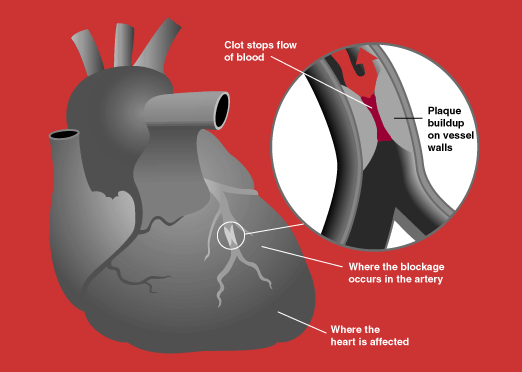
      Overview Acute coronary syndrome is a term that describes a range of conditions related to sudden, reduced blood flow to the heart. These conditions include a heart attack and unstable angina. A heart attack happens when cell death damages or destroys heart tissue. A heart attack also is known as a myocardial infarction. Unstable angina occurs when blood flow to the heart decreases. It's not severe enough to cause cell death or a heart attack. But the reduced blood flow may increase your risk of a heart attack. Acute coronary syndrome often causes severe chest pain or discomfort.
  • Transient Myeloproliferative Disease Wikipedia
    . ^ a b Marshall GM, Carter DR, Cheung BB, Liu T, Mateos MK, Meyerowitz JG, Weiss WA (April 2014). "The prenatal origins of cancer" .
    GATA1, TTN, TAM, GAS6, ESR1, CAPN3, CCL2, TGFB1, MSTO1, CTNNB1, NFKB1, MPST, VEGFA, MAP3K10, KISS1R, WT1, AURKB, CCNE2, SQSTM1, ARHGEF7, CMYA5, NRIP1, YY1, VCP, VIM, SEMA3A, TYRO3, KANSL1, TP53, TNF, THPO, MIR100, SH2B3, MERTK, NDC80, NUP62, ORAI1, QRSL1, GOLM1, DCTN4, ASCC1, DLL1, DESI1, INTU, BBC3, UCN3, MAP1LC3B, PRAME, SIRT3, SIRT4, CTCF, SLC35G1, ZEB1, KHDRBS1, LAMTOR5, CLEC10A, ABL1, PCNA, CCL5, CDK1, FANCD2, EZH2, ERG, EGFR, CYP19A1, CYP2D6, CUX1, COMT, COL4A3, CD40, NR5A1, CASP3, FOXL2, BCL2, CCND1, AXL, ARHGDIA, APP, APOE, APC, FOXM1, GHR, PTPN11, JAK3, PSMB6, AKT1, OVGP1, MYCN, MPL, MMP9, MDM2, KIT, KISS1, ITGAL, GPER1, ITGA2B, CXCR2, CXCL8, IL6, IL3, IGFBP1, IGF1, HSPA5, GTF2H1, H3P40
    • Myeloproliferative Syndrome, Transient OMIM
      Transient myeloproliferative syndrome is a leukemoid reaction that occurs in some newborn infants with Down syndrome and rarely in phenotypically normal infants (Seibel et al., 1984). In 9 Down syndrome patients with transient myeloproliferative syndrome, Niikawa et al. (1991) found that the mode of inheritance of centromeric chromosomal markers was compatible with duplication of one parental chromosome 21. Therefore, they proposed a hypothesis of 'disomic homozygosity' of a mutant gene on chromosome 21 as the causative mechanism (Abe et al., 1989). Niikawa et al. (1991) observed a Down syndrome patient who had an inversion of one chromosome 21; by studies with DNA polymorphic markers in 5 other patients, they obtained results suggesting that the putative gene (which they symbolized TMS) was located at 21q11.2. Cytogenetic and molecular studies demonstrated that in Down syndrome associated with transient abnormal myelopoiesis, trisomy 21 had arisen much more frequently through mitotic (or meiosis II) nondisjunctions than through meiosis I errors (Shen et al., 1995).
    • Transient Myeloproliferative Syndrome Orphanet
      A rare hematologic disease characterized by clinical and morphological findings indistinguishable from those of acute myeloid leukemia, typically occurring in newborns with Down syndrome. Peripheral blood and bone marrow blasts display features suggestive of megakaryoblasts. In addition to trisomy 21, acquired GATA1 mutations are present in blast cells. Patients may be asymptomatic or present with thrombocytopenia, less commonly other cytopenias, leukocytosis, hepatosplenomegaly, jaundice, ascites, respiratory distress, bleeding, and pericardial or pleural effusions. Most patients undergo spontaneous remission within the first three months of life, although some may develop life-threatening hepatic, renal, or cardiac complications.
  • Epilepsy-Intellectual Disability In Females Wikipedia
    SCN1A-Related Seizure Disorders . Seattle (WA): University of Washington, Seattle.
    PCDH19, TSPAN6
    • Epileptic Encephalopathy, Early Infantile, 9 OMIM
      A number sign (#) is used with this entry because early infantile epileptic encephalopathy-9 (EIEE9), also known as epilepsy and mental retardation restricted to females (EFMR), is caused by mutation in the gene encoding protocadherin-19 (PCDH19; 300460) on chromosome Xq22. Description Epileptic encephalopathy-9 is an X-linked disorder characterized by seizure onset in infancy and mild to severe intellectual impairment. Autistic and psychiatric features have been reported in some individuals. The disorder affects heterozygous females only; transmitting males are unaffected (summary by Jamal et al., 2010). For a general phenotypic description and a discussion of genetic heterogeneity of EIEE, see EIEE1 (308350).
    • Female Restricted Epilepsy With Intellectual Disability Orphanet
      Female restricted epilepsy with intellectual disability is a rare X-linked epilepsy syndrome characterized by febrile or afebrile seizures (mainly tonic-clonic, but also absence, myoclonic, and atonic) starting in the first years of life and, in most cases, developmental delay and intellectual disability of variable severity. Behavioral disturbances (e.g. autistic features, hyperactivity, and aggressiveness) are also frequently associated. This disease affects exclusively females, with male carriers being unaffected, despite an X-linked inheritance.
  • Restless Legs Syndrome Wikipedia
    . ^ a b c Allen, R; Picchietti, D; Hening, WA; Trenkwalder, C; Walters, AS; Montplaisi, J; Restless Legs Syndrome Diagnosis Epidemiology workshop at the National Institutes of Health; International Restless Legs Syndrome Study Group (2003).
    BTBD9, MEIS1, PTPRD, TF, POMC, DRD3, MAP2K5, SNCA, PRKN, MFN2, LRRK2, PARK7, FTL, HTRA2, VPS13C, DNAJC6, ATXN7, LINC02086, PINK1, UCHL1, RLS1, CASC16, PODXL, MYT1, LINC02520, LINC01478, CCDC148, SKOR1, HMOX1, TOX3, DRD2, VDR, MAOA, RLS3, CHM, FXYD1, TH, CHMP2B, SLC11A2, ATXN1, HAMP, GABRR3, RLS4, RLS6, NTS, ADH1B, HMOX2, CRP, GABRA4, FXN, EEF1A2, DMRT1, KNG1, IL1B, HFE, MPZ, MAOB, NOS1, ATXN3, ZC4H2, MIXL1, REEP1, AVP, PCDHA3, MOCOS, FAT2, GABRR2, NANS, SLC25A37, ATL1, PYCARD, GCH1, FMR1, C3, TRAPPC6B, CAD, TMPRSS6, DRD4, GLO1, C9orf72, DBP, MIR122, LINC00423, MIR330, RLS2, CPT1B, CHKB, RLS5, KCTD18, NPAS2, SPATS2L, MCF2L, NKX2-1, TFRC, IL17A, TRA, AFP, SLC6A3, SLC1A2, L1CAM, ATXN2, LRP2, TSPAN31, REN, LY6E, SMCP, SERPINA1, TNF, TYMS, IGLC2, SCAF11, CNTN3, HNMT, ZEB2, IGHA1, LITAF, SLC9A3R2, APLN, UTRN, RNMT, GEMIN2, ATRN, FGF23, NR4A3, IGKC, TBP
    • Restless Legs Syndrome Mayo Clinic
      Overview Restless legs syndrome (RLS) is a condition that causes an uncontrollable urge to move the legs, usually because of an uncomfortable sensation. It typically happens in the evening or nighttime hours when you're sitting or lying down. Moving eases the unpleasant feeling temporarily. Restless legs syndrome, also known as Willis-Ekbom disease, can begin at any age and generally worsens as you age. It can disrupt sleep, which interferes with daily activities. Simple self-care steps and lifestyle changes may help relieve symptoms. Medications also help many people with RLS . Symptoms The chief symptom is an urge to move the legs.
  • Transmissible Spongiform Encephalopathy Wikipedia
    This was confirmed with the identification of a Kuru-like disease, called new variant Creutzfeldt–Jakob disease , in humans exposed to BSE . [45] Although the infectious disease model of TSE has been questioned in favour of a prion transplantation model that explains why cannibalism favours transmission, [46] the search for a viral agent is being continued in some laboratories. [47] [48] References ^ Bastian FO, Sanders DE, Forbes WA, Hagius SD, Walker JV, Henk WG, Enright FM, Elzer PH; Sanders; Forbes; Hagius; Walker; Henk; Enright; Elzer (2007). " Spiroplasma spp. from transmissible spongiform encephalopathy brains or ticks induce spongiform encephalopathy in ruminants" .
    PRNP, CX3CL1, CX3CR1, SNCA, CLU, MARK4, LINC02210-CRHR1, TOMM40, CARD14, MS4A4A, CHN2, ABCB6, ABCA7, RPS4XP2, PRDX2, PPP1R12B, CCDC62, CD2AP, SLC2A13, C4BPA, BST1, LINC02210, MS4A4E, BLOC1S3, C9orf72, ANK3, EPHA1-AS1, GH1, MAPT, CSF2, LAMC2, PRKN, APP, APOE, SOD1, HECTD2, CBLL2, MUL1, PDIK1L, NEFL, LINC01672, IGFALS, HSPA4, TNF, SPRN, MGRN1, GSS, AHSP, IL6, IL1B, IAPP, SERPINA3, GPI, ADAM10, FXN, SMUG1, MMRN1, SARM1, CHN1, SIRT3, CABIN1, CFH, CHI3L1, PRND, SEC61A1, CFL1, CD44, GDE1, TPPP, STMN2, XAF1, YWHAQ, STIP1, HPSE, CHRM1, PLK3, RABEPK, EDIL3, DNM1L, CR1, CST7, BAG6, CR2, EGLN1, FKBP10, CD40LG, CXCR5, ACHE, SNORD3A, ACTB, MIR342, MIR21, AKT1, PLCXD3, APCS, NEGR1, CALHM1, AQP1, AQP4, BRCA2, THY1, LRFN5, CPNE8, C5AR1, SIRPA, NLRP3, CASP1, CD9, CD14, AKT1S1, MINDY4, CD28, CD40, TLR2, TGFB2, TGFB3, HIF1A, P4HB, OGG1, NGF, NFKB1, NFE2L2, EGFR, ERBB2, MTR, MKLN1, MFGE8, MBP, FANCD2, LGALS1, LAMA3, LAG3, KARS1, IRF3, CXCL8, GFAP, GLS, IL1A, IFNAR1, IFN1@, PDIA3, HSPD1, HSPA5, GSN, DECR1, PDCD1, PDK1, RARB, CRYAB, ADAM17, HSPA13, SP1, SOD2, CSF1R, SNCG, CTSD, SNCB, SLC1A3, CYBB, RYR2, PVALB, PIK3CA, PTGS2, PSEN1, RELN, DAB1, PRKAB1, PRKAA2, PRKAA1, PPIA, PIN1, PIK3CG, PIK3CD, ABCA1, PIK3CB
    • Human Prion Disease Orphanet
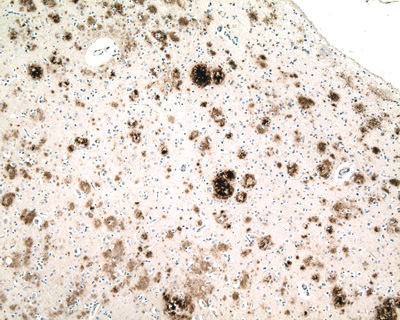
      Prion diseases are a group of rare transmissible disorders characterized by progressive debilitating neurological manifestations due to spongiform changes with an invariably fatal course. The disorders all involve accumulation of an abnormal prion protein in the central nervous system with no specific immunological response. Sporadic Creutzfeldt-Jakob disease (CJD; see this term) is the most frequent form accounting for about 85% of prion disease cases. The other forms of prion disease are genetic (5-15%) and include inherited CJD, fatal familial insomnia (FFI), and Familial Alzheimer-like prion disease (see these terms). Acquired forms (< 5%) include iatrogenic CJD and variant CJD (vCDJ).
  • Neonatal Diabetes Wikipedia
    .; Stephens, Karen; Amemiya, Anne; Ledbetter, Nikki (eds.). GeneReviews . Seattle (WA): University of Washington, Seattle.
    ABCC8, INS, KCNJ11, GLIS3, GCK, EIF2AK3, GATA6, RFX6, ZFP57, PDX1, NEUROD1, SLC2A2, MNX1, NEUROG3, HNF1B, PTF1A, STAT3, FOXP3, IER3IP1, SLC19A2, NKX2-2, GATA4, INSR, IL2RA, AGPAT2, INS-IGF2, HNF4A, HNF1A, GLIS2, PHPT1, ZACN, ASAH1, KLF11, PDHX, BCL2A1, POMC, PLAGL1, PAX4, HLA-DRB1, GCG, FOXM1, SOX3
    • Neonatal Diabetes Mellitus Orphanet
      Neonatal diabetes mellitus presents as hyperglycemia, failure to thrive and, in some cases, dehydration and ketoacidosis which may be severe with coma, in a child within the first months of life. Epidemiology Transient (TNDM) and Permanent (PNDM) neonatal diabetes are rare conditions occurring in 1:300,000-400,000 live births. Clinical description TNDM infants develop diabetes in the first few weeks of life but go into remission in a few months, with possible relapse to a permanent diabetes state usually around adolescence or as adults. The pancreatic dysfunction may be maintained throughout life, with relapse initiated at times of metabolic stress such as puberty or pregnancy. Patients with TNDM are more likely to have intrauterine growth retardation and less likely to develop ketoacidosis than patients with PNDM.
  • Kallmann Syndrome Wikipedia
    PMID 21682876 . ^ a b Kallmann FJ, Schönfeld WA, Barrera SE (1943–1944). "The genetic aspects of primary eunuchoidism".
    WDR11, PROKR2, ANOS1, CHD7, FGFR1, PROK2, FGF8, SOX10, KISS1R, TACR3, SEMA3A, NSMF, CCDC141, FEZF1, HESX1, FLRT3, SOX3, OTX2, SOX2, ARNT2, DCC, DUSP6, HS6ST1, SPRY4, IL17RD, FGF17, GNRHR, GNRH1, KISS1, GHRH, CSHL1, NR5A1, SERPINA4, STS, NR0B1, PRKAR2A, FN1, SSTR4, SEMA7A, BRD2, ADRA2B, ADRA1A, TUBB3, PLXNA1, BRS3, EDNRA, GPR42, IHH, ACKR3, CXCR6, LPAR2, NTN1, NRP1, SEMA3E, EBF2, RMST, TSHZ1, PALM2AKAP2, LINC01672, PROP1, NRP2, SCEL, AMH, ANK1, AXL, CD44, CD55, EMX1, EMX2, FGF1, GLI3, ANOS2P, LEP, LEPR, NDN, NT5E, NTRK1, PAX2, PCSK1, POMC, PRL, RMRP, ROBO1, SHOX, SIX3, RN7SL263P
    • Hypogonadotropic Hypogonadism 16 With Or Without Anosmia OMIM
      A number sign (#) is used with this entry because of evidence that susceptibility to hypogonadotropic hypogonadism-16 with or without anosmia (HH16) can be conferred by variation in the SEMA3A gene (603961) on chromosome 7, sometimes in association with mutations in other genes, e.g., KAL1 (300836) and FGFR1 (136350). Description Congenital idiopathic hypogonadotropic hypogonadism (IHH) is a disorder characterized by absent or incomplete sexual maturation by the age of 18 years, in conjunction with low levels of circulating gonadotropins and testosterone and no other abnormalities of the hypothalamic-pituitary axis. Idiopathic hypogonadotropic hypogonadism can be caused by an isolated defect in gonadotropin-releasing hormone (GNRH; 152760) release, action, or both. Other associated nonreproductive phenotypes, such as anosmia, cleft palate, and sensorineural hearing loss, occur with variable frequency. In the presence of anosmia, idiopathic hypogonadotropic hypogonadism has been called 'Kallmann syndrome (KS),' whereas in the presence of a normal sense of smell, it has been termed 'normosmic idiopathic hypogonadotropic hypogonadism (nIHH)' (summary by Raivio et al., 2007).
    • Hypogonadotropic Hypogonadism 6 With Or Without Anosmia OMIM
      A number sign (#) is used with this entry because autosomal dominant hypogonadotropic hypogonadism-6 with or without anosmia (HH6) is caused by heterozygous mutation in the fibroblast growth factor-8 gene (FGF8; 600483) on chromosome 10q24, sometimes in association with mutation in another gene, e.g., FGFR1 (136350). Description Congenital idiopathic hypogonadotropic hypogonadism (IHH) is a disorder characterized by absent or incomplete sexual maturation by the age of 18 years, in conjunction with low levels of circulating gonadotropins and testosterone and no other abnormalities of the hypothalamic-pituitary axis. Idiopathic hypogonadotropic hypogonadism can be caused by an isolated defect in gonadotropin-releasing hormone (GNRH; 152760) release, action, or both. Other associated nonreproductive phenotypes, such as anosmia, cleft palate, and sensorineural hearing loss, occur with variable frequency. In the presence of anosmia, idiopathic hypogonadotropic hypogonadism has been called 'Kallmann syndrome (KS),' whereas in the presence of a normal sense of smell, it has been termed 'normosmic idiopathic hypogonadotropic hypogonadism (nIHH)' (summary by Raivio et al., 2007).
    • Kallmann Syndrome 1 GARD
      Kallmann syndrome 1 is an inherited disorder characterized by delayed or absent puberty and an impaired sense of smell. Other symptoms may include color blindness , cleft lip or palate , abnormal eye movements, hearing loss, failure of one of the kidneys to develop, mirror image hand movements, abnormalities of tooth development, and infertility . This disorder is a form of hypogonadotropic hypogonadism . Affected males are usually born with a small penis and undescended testicles. Affected females usually do not begin menstruating at puberty and have little or no breast development. Kallmann syndrome 1 is the most common type of Kallmann syndrome (there are four types identified at this time).
    • Septo-Optic Dysplasia Spectrum Orphanet
      Septooptic dysplasia (SOD) is a clinically heterogeneous disorder characterized by the classical triad of optic nerve hypoplasia, pituitary hormone abnormalities and midline brain defects. Epidemiology Incidence is estimated at 1/10,000 live births. Clinical description Severity varies and only 30% of patients manifest the complete clinical triad with many patients having associated findings. Some patients present at birth with SOD associated with multiple congenital anomalies, whereas others present during childhood with growth failure and/or visual anomalies (most frequently strabismus or nystagmus). The optic nerve hypoplasia can be uni- or bilateral (57% and 32% of cases, respectively) and significant visual impairment occurs in 23% of patients. Hypopituitarism is present in 62-80% of patients and although growth hormone deficiency (leading to short stature in childhood) is the most frequent endocrine anomaly, additional hormone insufficiencies may develop (thyroid-stimulating, adrenocorticotropic and gonadotropin-releasing hormone deficiencies).
    • Hypogonadotropic Hypogonadism 1 With Or Without Anosmia OMIM
      A number sign (#) is used with this entry because hypogonadotropic hypogonadism-1 with or without anosmia (HH1) is caused by mutation in the KAL1 gene (300836) on chromosome Xp22.3, sometimes in association with mutation in another gene, e.g., PROKR2 (607123). Description Congenital idiopathic hypogonadotropic hypogonadism (IHH) is a disorder characterized by absent or incomplete sexual maturation by the age of 18 years, in conjunction with low levels of circulating gonadotropins and testosterone and no other abnormalities of the hypothalamic-pituitary axis. Idiopathic hypogonadotropic hypogonadism can be caused by an isolated defect in gonadotropin-releasing hormone (GNRH; 152760) release, action, or both. Other associated nonreproductive phenotypes, such as anosmia, cleft palate, and sensorineural hearing loss, occur with variable frequency. In the presence of anosmia, idiopathic hypogonadotropic hypogonadism has been called 'Kallmann syndrome (KS),' whereas in the presence of a normal sense of smell, it has been termed 'normosmic idiopathic hypogonadotropic hypogonadism (nIHH)' (summary by Raivio et al., 2007).
    • Hypogonadotropic Hypogonadism 22 With Or Without Anosmia OMIM
      A number sign (#) is used with this entry because of evidence that hypogonadotropic hypogonadism-22 with or without anosmia (HH22) is caused by homozygous mutation in the FEZF1 gene (613301) on chromosome 7q31. Description Congenital idiopathic hypogonadotropic hypogonadism (IHH) is a disorder characterized by absent or incomplete sexual maturation by the age of 18 years, in conjunction with low levels of circulating gonadotropins and testosterone and no other abnormalities of the hypothalamic-pituitary axis. Idiopathic hypogonadotropic hypogonadism is caused by an isolated defect in gonadotropin-releasing hormone (GNRH; 152760) release, action, or both. Other associated nonreproductive phenotypes, such as anosmia, cleft palate, and sensorineural hearing loss, occur with variable frequency. In the presence of anosmia, idiopathic hypogonadotropic hypogonadism has been called 'Kallmann syndrome (KS),' whereas in the presence of a normal sense of smell, it has been termed 'normosmic idiopathic hypogonadotropic hypogonadism (nIHH)' (summary by Raivio et al., 2007).
    • Hypogonadotropic Hypogonadism 14 With Or Without Anosmia OMIM
      A number sign (#) is used with this entry because of evidence that hypogonadotropic hypogonadism-14 with or without anosmia (HH14) can be caused by heterozygous mutation in the WDR11 gene (606417) on chromosome 10q26. Description Congenital idiopathic hypogonadotropic hypogonadism (IHH) is a disorder characterized by absent or incomplete sexual maturation by the age of 18 years, in conjunction with low levels of circulating gonadotropins and testosterone and no other abnormalities of the hypothalamic-pituitary axis. Idiopathic hypogonadotropic hypogonadism can be caused by an isolated defect in gonadotropin-releasing hormone (GNRH; 152760) release, action, or both. Other associated nonreproductive phenotypes, such as anosmia, cleft palate, and sensorineural hearing loss, occur with variable frequency. In the presence of anosmia, idiopathic hypogonadotropic hypogonadism has been called 'Kallmann syndrome (KS),' whereas in the presence of a normal sense of smell, it has been termed 'normosmic idiopathic hypogonadotropic hypogonadism (nIHH)' (summary by Raivio et al., 2007).
    • Kallmann Syndrome Orphanet
      Kallmann syndrome (KS) is a developmental genetic disorder characterized by the association of congenital hypogonadotropic hypogonadism (CHH) due to gonadotropin-releasing hormone (GnRH) deficiency, and anosmia or hyposmia (with hypoplasia or aplasia of the olfactory bulbs). Epidemiology The prevalence is estimated at 1/8,000 males and 1/40,000 females, but is probably underestimated. Clinical description Most cases are diagnosed at the time of puberty due to lack of sexual development, but KS may also be suspected in infancy in males with cryptorchidism, micropenis or associated non reproductive signs. The main clinical features consist of the absence of complete spontaneous puberty and a partial or total impairment of the sense of smell (anosmia) in both sexes. Untreated adult males usually have decreased bone density and muscle mass, decreased testicular volume (< 4 mL), erectile dysfunction, diminished libido and infertility.
    • Kallmann Syndrome GARD
      Kallmann syndrome (KS) is a condition that causes hypogonadotropic hypogonadism (HH) and an impaired sense of smell. HH affects the production of the hormones needed for sexual development. It is present from birth and is due to deficiency of gonadotropin-releasing hormone (GnRH). KS is often diagnosed at puberty due to lack of sexual development. It may first be suspected in infancy in males with undescended testicles or a small penis. Symptoms in untreated, adult males may include decreased bone density and muscle mass; small testicles; erectile dysfunction ; low sex drive; and infertility.
    • Hypogonadotropic Hypogonadism 8 With Or Without Anosmia OMIM
      A number sign (#) is used with this entry because hypogonadotropic hypogonadism-8 with or without anosmia (HH8) is caused by homozygous or compound heterozygous mutation in the GPR54 gene (KISS1R; 604161) on chromosome 19p13, sometimes in association with mutation in other genes, e.g., IL17RD (606807). Description Congenital idiopathic hypogonadotropic hypogonadism (IHH) is a disorder characterized by absent or incomplete sexual maturation by the age of 18 years, in conjunction with low levels of circulating gonadotropins and testosterone and no other abnormalities of the hypothalamic-pituitary axis. Idiopathic hypogonadotropic hypogonadism can be caused by an isolated defect in gonadotropin-releasing hormone (GNRH; 152760) release, action, or both. Other associated nonreproductive phenotypes, such as anosmia, cleft palate, and sensorineural hearing loss, occur with variable frequency. In the presence of anosmia, idiopathic hypogonadotropic hypogonadism has been called 'Kallmann syndrome (KS),' whereas in the presence of a normal sense of smell, it has been termed 'normosmic idiopathic hypogonadotropic hypogonadism (nIHH)' (summary by Raivio et al., 2007).
    • Hypogonadotropic Hypogonadism 2 With Or Without Anosmia OMIM
      A number sign (#) is used with this entry because hypogonadotropic hypogonadism-2 with or without anosmia (HH2) is caused by heterozygous mutation in the gene encoding fibroblast growth factor receptor-1 (FGFR1; 136350) on chromosome 8p11, sometimes in association with mutation in other genes, e.g., FGF8 (600483) and GNRHR (138850). Description Congenital idiopathic hypogonadotropic hypogonadism (IHH) is a disorder characterized by absent or incomplete sexual maturation by the age of 18 years, in conjunction with low levels of circulating gonadotropins and testosterone and no other abnormalities of the hypothalamic-pituitary axis. Idiopathic hypogonadotropic hypogonadism can be caused by an isolated defect in gonadotropin-releasing hormone (GNRH; 152760) release, action, or both. Other associated nonreproductive phenotypes, such as anosmia, cleft palate, and sensorineural hearing loss, occur with variable frequency. In the presence of anosmia, idiopathic hypogonadotropic hypogonadism has been called 'Kallmann syndrome (KS),' whereas in the presence of a normal sense of smell, it has been termed 'normosmic idiopathic hypogonadotropic hypogonadism (nIHH)' (summary by Raivio et al., 2007).
    • Hypogonadotropic Hypogonadism 17 With Or Without Anosmia OMIM
      A number sign (#) is used with this entry because hypogonadotropic hypogonadism-17 with or without anosmia (HH17) can be caused by heterozygous mutation in the SPRY4 gene (607984) on chromosome 5q31, sometimes in association with mutations in other genes, e.g., FGFR1 (136350) and DUSP6 (602748). Description Congenital idiopathic hypogonadotropic hypogonadism (IHH) is a disorder characterized by absent or incomplete sexual maturation by the age of 18 years, in conjunction with low levels of circulating gonadotropins and testosterone and no other abnormalities of the hypothalamic-pituitary axis. Idiopathic hypogonadotropic hypogonadism can be caused by an isolated defect in gonadotropin-releasing hormone (GNRH; 152760) release, action, or both. Other associated nonreproductive phenotypes, such as anosmia, cleft palate, and sensorineural hearing loss, occur with variable frequency. In the presence of anosmia, idiopathic hypogonadotropic hypogonadism has been called 'Kallmann syndrome (KS),' whereas in the presence of a normal sense of smell, it has been termed 'normosmic idiopathic hypogonadotropic hypogonadism (nIHH)' (summary by Raivio et al., 2007).
    • Hypogonadotropic Hypogonadism 18 With Or Without Anosmia OMIM
      A number sign (#) is used with this entry because of evidence that hypogonadotropic hypogonadism-18 with or without anosmia (HH18) is caused by heterozygous or homozygous mutation in the IL17RD gene (606807) on chromosome 3p14, sometimes in association with mutation in other genes, e.g., FGFR1 (136350) and KISS1R (604161). Description Congenital idiopathic hypogonadotropic hypogonadism (IHH) is a disorder characterized by absent or incomplete sexual maturation by the age of 18 years, in conjunction with low levels of circulating gonadotropins and testosterone and no other abnormalities of the hypothalamic-pituitary axis. Idiopathic hypogonadotropic hypogonadism can be caused by an isolated defect in gonadotropin-releasing hormone (GNRH; 152760) release, action, or both. Other associated nonreproductive phenotypes, such as anosmia, cleft palate, and sensorineural hearing loss, occur with variable frequency. In the presence of anosmia, idiopathic hypogonadotropic hypogonadism has been called 'Kallmann syndrome (KS),' whereas in the presence of a normal sense of smell, it has been termed 'normosmic idiopathic hypogonadotropic hypogonadism (nIHH)' (summary by Raivio et al., 2007).
    • Hypogonadotropic Hypogonadism 19 With Or Without Anosmia OMIM
      A number sign (#) is used with this entry because hypogonadotropic hypogonadism-19 with or without anosmia (HH19) can be caused by heterozygous mutation in the DUSP6 gene (602748) on chromosome 12q22, sometimes in association with mutations in other genes, e.g., FGFR1 (136350) and SPRY4 (607984). Description Congenital idiopathic hypogonadotropic hypogonadism (IHH) is a disorder characterized by absent or incomplete sexual maturation by the age of 18 years, in conjunction with low levels of circulating gonadotropins and testosterone and no other abnormalities of the hypothalamic-pituitary axis. Idiopathic hypogonadotropic hypogonadism can be caused by an isolated defect in gonadotropin-releasing hormone (GNRH; 152760) release, action, or both. Other associated nonreproductive phenotypes, such as anosmia, cleft palate, and sensorineural hearing loss, occur with variable frequency. In the presence of anosmia, idiopathic hypogonadotropic hypogonadism has been called 'Kallmann syndrome (KS),' whereas in the presence of a normal sense of smell, it has been termed 'normosmic idiopathic hypogonadotropic hypogonadism (nIHH)' (summary by Raivio et al., 2007).
    • Hypogonadotropic Hypogonadism 20 With Or Without Anosmia OMIM
      A number sign (#) is used with this entry because hypogonadotropic hypogonadism-20 with or without anosmia (HH20) can be caused by heterozygous mutation in the FGF17 gene (603725) on chromosome 8p21, sometimes in association with mutations in other genes, e.g., FGFR1 (136350), HS6ST1 (604846), and FLRT3 (604808). Description Congenital idiopathic hypogonadotropic hypogonadism (IHH) is a disorder characterized by absent or incomplete sexual maturation by the age of 18 years, in conjunction with low levels of circulating gonadotropins and testosterone and no other abnormalities of the hypothalamic-pituitary axis. Idiopathic hypogonadotropic hypogonadism can be caused by an isolated defect in gonadotropin-releasing hormone (GNRH; 152760) release, action, or both. Other associated nonreproductive phenotypes, such as anosmia, cleft palate, and sensorineural hearing loss, occur with variable frequency. In the presence of anosmia, idiopathic hypogonadotropic hypogonadism has been called 'Kallmann syndrome (KS),' whereas in the presence of a normal sense of smell, it has been termed 'normosmic idiopathic hypogonadotropic hypogonadism (nIHH)' (summary by Raivio et al., 2007).
    • Kallmann Syndrome MedlinePlus
      Kallmann syndrome is a condition characterized by delayed or absent puberty and an impaired sense of smell. This disorder is a form of hypogonadotropic hypogonadism, which is a condition resulting from a lack of production of certain hormones that direct sexual development. These hormones are normally made in a part of the brain called the hypothalamus. Males born with hypogonadotropic hypogonadism often have an unusually small penis (micropenis) and undescended testes (cryptorchidism). At puberty, most affected individuals do not develop secondary sex characteristics, such as the growth of facial hair and deepening of the voice in males, the start of monthly periods (menstruation) and breast development in females, and a growth spurt in both sexes.
    • Hypogonadotropic Hypogonadism 21 With Or Without Anosmia OMIM
      A number sign (#) is used with this entry because hypogonadotropic hypogonadism-21 with or without anosmia (HH21) can be caused by heterozygous mutation in the FLRT3 (604808) gene on 20p11, sometimes in association with mutations in other genes, e.g., FGFR1 (136350), HS6ST1 (604846), and FGF17 (603725). Description Congenital idiopathic hypogonadotropic hypogonadism (IHH) is a disorder characterized by absent or incomplete sexual maturation by the age of 18 years, in conjunction with low levels of circulating gonadotropins and testosterone and no other abnormalities of the hypothalamic-pituitary axis. Idiopathic hypogonadotropic hypogonadism can be caused by an isolated defect in gonadotropin-releasing hormone (GNRH; 152760) release, action, or both. Other associated nonreproductive phenotypes, such as anosmia, cleft palate, and sensorineural hearing loss, occur with variable frequency. In the presence of anosmia, idiopathic hypogonadotropic hypogonadism has been called 'Kallmann syndrome (KS),' whereas in the presence of a normal sense of smell, it has been termed 'normosmic idiopathic hypogonadotropic hypogonadism (nIHH)' (summary by Raivio et al., 2007).
    • Hypogonadotropic Hypogonadism 15 With Or Without Anosmia OMIM
      A number sign (#) is used with this entry because of evidence that susceptibility to hypogonadotropic hypogonadism-15 with or without anosmia (HH15) can be conferred by variation in the HS6ST1 gene (604846) on chromosome 2q14, sometimes in association with mutations in other genes, e.g., FGFR1 (136350) and NELF (608137). Description Congenital idiopathic hypogonadotropic hypogonadism (IHH) is a disorder characterized by absent or incomplete sexual maturation by the age of 18 years, in conjunction with low levels of circulating gonadotropins and testosterone and no other abnormalities of the hypothalamic-pituitary axis. Idiopathic hypogonadotropic hypogonadism can be caused by an isolated defect in gonadotropin-releasing hormone (GNRH; 152760) release, action, or both. Other associated nonreproductive phenotypes, such as anosmia, cleft palate, and sensorineural hearing loss, occur with variable frequency. In the presence of anosmia, idiopathic hypogonadotropic hypogonadism has been called 'Kallmann syndrome (KS),' whereas in the presence of a normal sense of smell, it has been termed 'normosmic idiopathic hypogonadotropic hypogonadism (nIHH)' (summary by Raivio et al., 2007).
    • Hypogonadotropic Hypogonadism 9 With Or Without Anosmia OMIM
      A number sign (#) is used with this entry because autosomal dominant hypogonadotropic hypogonadism-9 with or without anosmia (HH9) is caused by heterozygous mutation in the NELF gene (NSMF; 608137) on chromosome 9q34, sometimes in association with mutation in other genes, e.g., FGFR1 (136350) and HS6ST1 (604846). Description Congenital idiopathic hypogonadotropic hypogonadism (IHH) is a disorder characterized by absent or incomplete sexual maturation by the age of 18 years, in conjunction with low levels of circulating gonadotropins and testosterone and no other abnormalities of the hypothalamic-pituitary axis. Idiopathic hypogonadotropic hypogonadism can be caused by an isolated defect in gonadotropin-releasing hormone (GNRH; 152760) release, action, or both. Other associated nonreproductive phenotypes, such as anosmia, cleft palate, and sensorineural hearing loss, occur with variable frequency. In the presence of anosmia, idiopathic hypogonadotropic hypogonadism has been called 'Kallmann syndrome (KS),' whereas in the presence of a normal sense of smell, it has been termed 'normosmic idiopathic hypogonadotropic hypogonadism (nIHH)' (summary by Raivio et al., 2007).
    • Hypogonadotropic Hypogonadism 11 With Or Without Anosmia OMIM
      A number sign (#) is used with this entry because hypogonadotropic hypogonadism-11 with or without anosmia (HH11) can be caused by homozygous mutation in the TACR3 gene (162332) on chromosome 4q24. Description Congenital idiopathic hypogonadotropic hypogonadism (IHH) is a disorder characterized by absent or incomplete sexual maturation by the age of 18 years, in conjunction with low levels of circulating gonadotropins and testosterone and no other abnormalities of the hypothalamic-pituitary axis. Idiopathic hypogonadotropic hypogonadism can be caused by an isolated defect in gonadotropin-releasing hormone (GNRH; 152760) release, action, or both. Other associated nonreproductive phenotypes, such as anosmia, cleft palate, and sensorineural hearing loss, occur with variable frequency. In the presence of anosmia, idiopathic hypogonadotropic hypogonadism has been called 'Kallmann syndrome (KS),' whereas in the presence of a normal sense of smell, it has been termed 'normosmic idiopathic hypogonadotropic hypogonadism (nIHH)' (summary by Raivio et al., 2007).
    • Hypogonadotropic Hypogonadism 4 With Or Without Anosmia OMIM
      A number sign (#) is used with this entry because autosomal dominant hypogonadotropic hypogonadism-4 with or without anosmia (HH4) is caused by heterozygous mutation in the prokineticin-2 gene (PROK2; 607002) on chromosome 3p13, sometimes in association with mutation in another gene, e.g., PROKR2 (607123). Description Congenital idiopathic hypogonadotropic hypogonadism (IHH) is a disorder characterized by absent or incomplete sexual maturation by the age of 18 years, in conjunction with low levels of circulating gonadotropins and testosterone and no other abnormalities of the hypothalamic-pituitary axis. Idiopathic hypogonadotropic hypogonadism can be caused by an isolated defect in gonadotropin-releasing hormone (GNRH; 152760) release, action, or both. Other associated nonreproductive phenotypes, such as anosmia, cleft palate, and sensorineural hearing loss, occur with variable frequency. In the presence of anosmia, idiopathic hypogonadotropic hypogonadism has been called 'Kallmann syndrome (KS),' whereas in the presence of a normal sense of smell, it has been termed 'normosmic idiopathic hypogonadotropic hypogonadism (nIHH)' (summary by Raivio et al., 2007).
    • Hypogonadotropic Hypogonadism 5 With Or Without Anosmia OMIM
      A number sign (#) is used with this entry because autosomal dominant hypogonadotropic hypogonadism-5 with or without anosmia (HH5) is caused by heterozygous mutation in the chromodomain helicase DNA-binding protein-7 gene (CHD7; 608892) on chromosome 8q12. Description Congenital idiopathic hypogonadotropic hypogonadism (IHH) is a disorder characterized by absent or incomplete sexual maturation by the age of 18 years, in conjunction with low levels of circulating gonadotropins and testosterone and no other abnormalities of the hypothalamic-pituitary axis. Idiopathic hypogonadotropic hypogonadism can be caused by an isolated defect in gonadotropin-releasing hormone (GNRH; 152760) release, action, or both. Other associated nonreproductive phenotypes, such as anosmia, cleft palate, and sensorineural hearing loss, occur with variable frequency. In the presence of anosmia, idiopathic hypogonadotropic hypogonadism has been called 'Kallmann syndrome (KS),' whereas in the presence of a normal sense of smell, it has been termed 'normosmic idiopathic hypogonadotropic hypogonadism (nIHH)' (summary by Raivio et al., 2007).
    • Hypogonadotropic Hypogonadism 3 With Or Without Anosmia OMIM
      A number sign (#) is used with this entry because hypogonadotropic hypogonadism-3 with or without anosmia (HH3) is caused by heterozygous mutation in the G protein-coupled prokineticin receptor-2 gene (PROKR2; 607123) on chromosome 20p12, sometimes in association with mutation in another gene, e.g., KAL1 (300836). Description Congenital idiopathic hypogonadotropic hypogonadism (IHH) is a disorder characterized by absent or incomplete sexual maturation by the age of 18 years, in conjunction with low levels of circulating gonadotropins and testosterone and no other abnormalities of the hypothalamic-pituitary axis. Idiopathic hypogonadotropic hypogonadism can be caused by an isolated defect in gonadotropin-releasing hormone (GNRH; 152760) release, action, or both. Other associated nonreproductive phenotypes, such as anosmia, cleft palate, and sensorineural hearing loss, occur with variable frequency. In the presence of anosmia, idiopathic hypogonadotropic hypogonadism has been called 'Kallmann syndrome (KS),' whereas in the presence of a normal sense of smell, it has been termed 'normosmic idiopathic hypogonadotropic hypogonadism (nIHH)' (summary by Raivio et al., 2007).
  • Wilson's Disease Wikipedia
    Williams & Wilkins. pp. 1298 . ISBN 978-0-683-18242-2 . ^ Shaver WA, Bhatt H, Combes B (1986). "Low serum alkaline phosphatase activity in Wilson's disease".
    ATP7B, ANXA5, CP, APOE, PRNP, IL6, AHCY, LOX, TNF, IL10, LOXL2, A2M, SNCA, NDUFB7, PPP3CB, PPP3CA, CXCL8, CAMK2A, TIMP1, HAMP, ASMT, SDHAF2, BHMT, ANKS1B, ATP7A, CYP27B1, HMGCR, SMPD1, ESD, ATOX1, COMMD1, HFE, MBD6, ALB, TP53, SLC31A1, GPT, MBD1, PANK2, SERPINA1, PNOC, STON1, IL1B, GCH1, GTF2A1L, STON1-GTF2A1L, AFM, G6PD, BDNF, FXN, ARSA, GLUL, BMS1, SLC39A14, TBC1D9, FNDC3A, PDCD10, ATHS, CCL27, AHSA1, CCS, XPR1, GRAP2, CHMP2B, PRC1, AIMP2, XRCC5, BEST1, VEGFA, VCAM1, TYR, TXN, RNF19A, SLC17A5, ATRNL1, IGAN1, ACACA, CCDC115, PNPLA3, DNAJC5, ASRGL1, ALPP, PAGR1, SLC39A8, CPAT1, RBPJP4, POLDIP2, AMELX, XIAP, NAT10, INO80, IL23A, GOLM1, ZDHHC2, PDLIM3, CALCR, BRAF, CAT, GALNS, THRB, MT1X, ACE, LTA, DDIT3, DMD, KDR, IDO1, IL13, DMRT1, DNAH8, DRD2, IL2, IL1RN, IL1R1, IL1A, HNF4A, FOXA2, FOXA1, GAST, GRM5, GPX1, MTF1, MTHFR, SERPINA3, MAPK8, SPG7, SOD2, CFTR, CLU, SLPI, RXRA, RB1, PROP1, SLC31A2, MAPK1, DBH, CRK, CRP, PPARG, MAPK14, CTNNB1, ABCB1, PAH, OPA1, SLC11A2, NDUFAB1
    • Wilson's Disease Mayo Clinic
      Overview Wilson's disease is a rare inherited disorder that causes copper to accumulate in your liver, brain and other vital organs. Most people with Wilson's disease are diagnosed between the ages of 5 and 35, but it can affect younger and older people, as well. Copper plays a key role in the development of healthy nerves, bones, collagen and the skin pigment melanin. Normally, copper is absorbed from your food, and excess is excreted through a substance produced in your liver (bile). But in people with Wilson's disease, copper isn't eliminated properly and instead accumulates, possibly to a life-threatening level.
    • Wilson Disease MedlinePlus
      Wilson disease is an inherited disorder in which excessive amounts of copper accumulate in the body, particularly in the liver, brain, and eyes. The signs and symptoms of Wilson disease usually first appear between the ages of 6 and 45, but they most often begin during the teenage years. The features of this condition include a combination of liver disease and neurological and psychiatric problems. Liver disease is typically the initial feature of Wilson disease in affected children and young adults; individuals diagnosed at an older age usually do not have symptoms of liver problems, although they may have very mild liver disease. The signs and symptoms of liver disease include yellowing of the skin or whites of the eyes (jaundice), fatigue, loss of appetite, and abdominal swelling.
    • Wilson Disease Orphanet
      Wilson disease is a very rare inherited multisystemic disease presenting non-specific neurological, hepatic, psychiatric or osseo-muscular manifestations due to excessive copper deposition in the body.
    • Wilson Disease OMIM
      A number sign (#) is used with this entry because Wilson disease is caused by homozygous or compound heterozygous mutation in the ATP7B gene (606882) on chromosome 13q14. Description Wilson disease is an autosomal recessive disorder characterized by dramatic build-up of intracellular hepatic copper with subsequent hepatic and neurologic abnormalities. De Bie et al. (2007) provided a detailed review of the molecular pathogenesis of Wilson disease. Clinical Features In Wilson disease, the basal ganglia and liver undergo changes that express themselves in neurologic manifestations and signs of cirrhosis, respectively. A disturbance in copper metabolism is somehow involved in the mechanism.
    • Wilson Disease GeneReviews
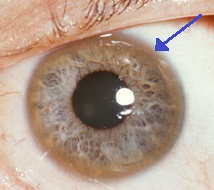
      Summary Clinical characteristics. Wilson disease is a disorder of copper metabolism that can present with hepatic, neurologic, or psychiatric disturbances, or a combination of these, in individuals ranging from age three years to older than 50 years; symptoms vary among and within families. Liver disease includes recurrent jaundice, simple acute self-limited hepatitis-like illness, autoimmune-type hepatitis, fulminant hepatic failure, or chronic liver disease. Neurologic presentations include movement disorders (tremors, poor coordination, loss of fine-motor control, chorea, choreoathetosis) or rigid dystonia (mask-like facies, rigidity, gait disturbance, pseudobulbar involvement). Psychiatric disturbance includes depression, neurotic behaviors, disorganization of personality, and, occasionally, intellectual deterioration. Kayser-Fleischer rings, frequently present, result from copper deposition in Descemet's membrane of the cornea and reflect a high degree of copper storage in the body.
    • Wilson Disease GARD
      Wilson disease is a rare inherited disorder that is characterized by the accumulation of copper in the body. Because high levels of copper are toxic to tissues and organs, this buildup can lead to damage of the liver, brain and eyes. Signs and symptoms of Wilson disease include chronic liver disease, central nervous system abnormalities, and psychiatric (mental health-related) disturbances. It is caused by a mutation of the ATP7B gene and is inherited in an autosomal recessive manner. Although there is no cure for Wilson disease, therapies exist that aim to reduce or control the amount of copper that accumulates in the body.
  • Acute Megakaryoblastic Leukemia Wikipedia
    . ^ Marshall GM, Carter DR, Cheung BB, Liu T, Mateos MK, Meyerowitz JG, Weiss WA (April 2014). "The prenatal origins of cancer" .
    GATA1, JAK3, BIRC5, TP53, SRF, MRTFA, PTEN, RUNX1, RBM15, ACTB, IL3, JAK2, GLIS2, MAL, KMT2A, CBFA2T3, FANCB, CXCL9, CMPK1, CSF2, ERG, NUP98, MPO, TRIB1, THPO, NRAS, CBSL, KDM5A, GP1BA, MECOM, SH2D1A, PICALM, MLLT10, IL6, IL11, EVPL, IGHV1-12, ETV6, CCR7, AKT1, PTPN4, MIR100HG, APCS, PML, CBS, PF4, CD38, ITGA2B, DYRK1A, CSF1R, EPO, AURKA, TNF, RPS6KB1, VDR, TGFB1, RPS19, SUMO3, SLC25A1, THBD, STAT1, STAT3, TEK, TFRC, TNS1, ESPL1, VIPR1, VWF, ZNF587B, MIR486-1, MIR125B2, MIR99AHG, GLIS3, GLIS1, TIRAP, MYOCD, SCIN, TMEM241, CLPTM1L, MRTFB, A4GALT, CCDC28A, PRAME, ARC, SPEN, GNLY, DLC1, ABCC4, RBM6, SNAP91, FXR2, ABCG2, SPHK1, AP3B1, LOH19CR1, GFI1B, PAX8, RNASE3, ABL1, RAP1A, RAF1, FLT3, FOXO3, FOXO1, FGFR1, BPTF, F3, F2, ETS2, EPOR, DECR1, CCN2, CRP, CDA, CD36, CD8A, RUNX1T1, CALM3, CALM2, CALM1, ATM, APOC2, APOC1, ANPEP, ANK1, ANGPT1, ALB, AHR, G6PD, GAPDH, GLI1, MPL, PTGIR, PRB1, PPIA, ABCB1, PFN2, PFN1, PDGFB, TNFRSF11B, NTRK1, NME1, MYH11, MYCN, MLLT3, HBG1, LOX, ITGAM, ITGAL, IL6R, IL2, IL1B, IL1A, RBPJ, TNC, HOXC5, MNX1, HBG2, NCAM1
    • Acute Megakaryoblastic Leukemia Orphanet
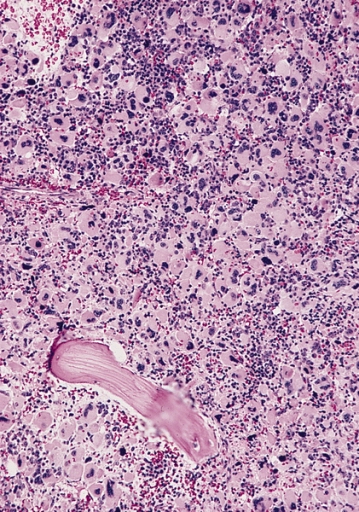
      A rare acute myeloid leukemia that occurs predominantly in childhood and particularly in children with Down syndrome (DS-AMKL). Nonspecific symptoms may be irritability, weakness, and dizziness while specific symptoms include pallor, fever, mucocutaneous bleeding, hepatosplenomegaly, neurological manifestations and rarely lymphadenopathy. Acute panmyelosis with myelofibrosis may also be associated with AMKL. In contrast to DS-AMKL (around 80 % survival), non-DS-AMKL is an AML subgroup associated with poor prognosis.
  • X-Linked Severe Combined Immunodeficiency Wikipedia
    In Pagon RA, Bird TD, Dolan CR, Stephens K (eds.). GeneReviews® [Internet] . Seattle WA: University of Washington. PMID 20301584 .
    IL2RG, IL4, IL2, IL15, IL7, CD34, LINC02605, JAK3, IL9, EBI3, IL18R1, ADA, LMO2, GH1, IL21, BTK, CD40, IL7R, FUT1, IL22, TBC1D9, CORO1A, AICDA, DCLRE1C, DLL4, MTA2, AAVS1, CDR3, WAS, TRBV20OR9-2, ABCB1, PGK1, IL13, GHR, ATN1, CD40LG, AR, JAK1
    • X-Linked Severe Combined Immunodeficiency MedlinePlus
      X-linked severe combined immunodeficiency (SCID) is an inherited disorder of the immune system that occurs almost exclusively in males. Boys with X-linked SCID are prone to recurrent and persistent infections because they lack the necessary immune cells to fight off certain bacteria, viruses, and fungi. Many infants with X-linked SCID develop chronic diarrhea, a fungal infection called thrush, and skin rashes. Affected individuals also grow more slowly than other children. Without treatment, males with X-linked SCID usually do not live beyond infancy. Frequency X-linked SCID is the most common form of severe combined immunodeficiency.
    • Severe Combined Immunodeficiency, X-Linked OMIM
      A number sign (#) is used with this entry because T-, B+, NK- X-linked severe combined immunodeficiency (SCID) is caused by mutation in the gene encoding the gamma subunit of the interleukin-2 receptor (IL2RG; 308380). See also X-linked combined immunodeficiency (312863), a less severe form of the disorder that is also caused by mutation in the IL2RG gene. An autosomal recessive form of T-, B+, NK- SCID (600802) is caused by mutation in the JAK3 gene (600173) on chromosome 19p13. For a general phenotypic description and a discussion of genetic heterogeneity of autosomal recessive SCID, see 601457. Clinical Features Severe combined immunodeficiency differs from the Bruton type (300755) of agammaglobulinemia by the additional presence of lymphocytopenia ('alymphocytosis'), earlier age at death, vulnerability to viral and fungal as well as bacterial infections, lack of delayed hypersensitivity, atrophy of the thymus, and lack of benefit from gamma globulin administration.
    • X-Linked Severe Combined Immunodeficiency GeneReviews
      Summary Clinical characteristics. X-linked severe combined immunodeficiency (X-SCID) is a combined cellular and humoral immunodeficiency caused by a hemizygous pathogenic variant in IL2RG . In typical X-SCID lack of IL2RG function results in near-complete absence of T and natural killer (NK) lymphocytes and nonfunctional B lymphocytes. X-SCID is almost universally fatal in the first two years of life unless reconstitution of the immune system is achieved through bone marrow transplant or gene therapy. In the absence of family history of X-SCID and prior to newborn screening for X-SCID, most males with typical X-SCID come to medical attention between ages three and six months with failure to thrive, oral/diaper candidiasis, absent tonsils and lymph nodes, recurrent infections, infections with opportunistic organisms such as Pneumocystis , and persistence of infections despite conventional treatment. Additional common features include rashes, diarrhea, cough and congestion, fevers, pneumonia, sepsis, and other severe bacterial infections.
    • T-B+ Severe Combined Immunodeficiency Due To Gamma Chain Deficiency Orphanet
      Severe combined immunodeficiency (SCID) due to gamma chain deficiency, also called SCID-X1, is a form of SCID (see this term) characterized by severe and recurrent infections, associated with diarrhea and failure to thrive. Epidemiology It accounts for approximately 50% of SCID cases and is the most common form of SCID in Europe. The annual incidence varies among the populations but it is estimated at approximately 1/200,000 births. The disease occurs in males. Clinical description SCID-X1 manifests during the first months of life with severe and often life threatening viral, bacterial or fungal infections (e.g. Pneumocystis jiroveci pneumonitis , disseminated BCG infection if previously vaccinated), and failure to thrive.
    • Combined Immunodeficiency, X-Linked OMIM
      A number sign (#) is used with this entry because X-linked combined immunodeficiency (CIDX) is caused by mutation in the gene encoding the gamma subunit of the interleukin-2 receptor (IL2RG; 308380). X-linked severe combined immunodeficiency (SCIDX1; 300400) is caused by mutation in the same gene. Clinical Features Brooks et al. (1990) described a family in which 5 living males had a form of combined immunodeficiency inherited in an X-linked recessive pattern. The disorder was different from the previously described forms of X-linked immunodeficiency and specifically different from SCIDX1. The age of the 5 affected males ranged from 2.5 to 34 years. The most prominent clinical abnormalities were paucity of lymphoid tissue; recurrent sinusitis, otitis media, bronchitis, and pneumonia; severe varicella; and chronic papillomavirus infections.
    • X-Linked Severe Combined Immunodeficiency GARD
      X-linked severe combined immunodeficiency (X-SCID) is a severe, genetic condition of the immune system. Signs and symptoms often become apparent in early infancy and include failure to thrive ; oral/diaper candidiasis (yeast infection); absent tonsils and lymph nodes; recurrent, persistent infections; rashes; diarrhea; fevers; and pneumonia. X-SCID is caused by mutations in the IL2RG gene and is inherited in an X-linked recessive manner; it only affects males. The condition is typically fatal in the first two years of life unless treated with a bone marrow transplant or gene therapy.
  • Proteopathy Wikipedia
    . ^ Nelson PT, Alafuzoff I, Bigio EH, Bouras C, Braak H, Cairns NJ, Castellani RJ, Crain BJ, Davies P, Del Tredici K, Duyckaerts C, Frosch MP, Haroutunian V, Hof PR, Hulette CM, Hyman BT, Iwatsubo T, Jellinger KA, Jicha GA, Kövari E, Kukull WA, Leverenz JB, Love S, Mackenzie IR, Mann DM, Masliah E, McKee AC, Montine TJ, Morris JC, Schneider JA, Sonnen JA, Thal DR, Trojanowski JQ, Troncoso JC, Wisniewski T, Woltjer RL, Beach TG (May 2012).
  • Chronic Prostatitis/chronic Pelvic Pain Syndrome Wikipedia
    PMID 29875042 . ^ Holt JD, Garrett WA, McCurry TK, Teichman JM (2016). "Common Questions About Chronic Prostatitis".
  • Hypercholesterolemia Wikipedia
    .), "Familial Hypercholesterolemia" , GeneReviews® , Seattle (WA): University of Washington, Seattle, PMID 24404629 , retrieved 2021-01-04 ^ U.S.
    APOB, LDLR, APOE, PCSK9, CYP7A1, LPL, HMGCR, ABCA1, LEP, LIPC, CETP, LDLRAP1, ABCG8, APOC3, ABCG5, LIPA, LPA, APOA1, PON1, SCARB1, VCAM1, SELE, CES1, GPD1, NR4A3, STAP1, LMF1, MTTP, COL3A1, CTF1, MYLK, SAR1B, ANGPTL3, GPIHBP1, ICAM1, LCAT, EDN1, NOX1, NCF1, SREBF2, SREBF1, CYP51A1, ALPL, CASP3, GSR, CD40LG, CASP9, G6PD, CD40, MIF, SCAP, CSF1, PPP4R3B, ALB, CAV1, PPP1R17, LRP6, APTX, CYP27A1, APOA2, JAG1, MIR6886, OCRL, SETX, CAV3, PYGL, DEAF1, TTPA, GHR, NUP107, PIK3R5, EPHX2, RSPO1, COG4, IQSEC2, SLC25A13, TDP1, TMEM199, PHKG2, PHKA2, LMNA, FLII, CCDC115, RAI1, DYRK1B, SLC7A7, DGAT1, MEF2A, IL6, AGT, SERPINE1, NPC1L1, TNF, CRP, CD36, ACE, CAD, IL1B, CAT, AGTR1, CCR2, NOS3, OLR1, LRP5, SLCO1B1, CYBA, REN, CYP3A5, GPT, PSMD9, CCL2, VEGFA, SORT1, SOD2, SOD1, SLC10A2, APP, SELP, MTHFR, PPIA, DECR1, NR0B2, LIPG, NPY, F3, ESR1, CYP3A4, EGFR, CHDH, NR1I2, IL1A, AGER, SACM1L, IL2, SIRT1, IL10, PDX1, KDR, RAB7B, AFP, SCD, VWF, RAB7A, PLA2G7, TRAF6, SOAT2, TGFB1, SQLE, SLC5A2, ADIPOQ, LEPR, ROS1, ABCG2, MAPK1, PPARA, ABCB1, NFE2L2, ACAT2, LINC01672, PON2, CNBP, LINC01194, EDNRA, CD68, TLR9, CCK, GABPA, GCG, FOXP3, C3, ENG, NLRP3, GNB3, CPB2, BCL2, UBIAD1, HMOX1, DPP4, CYBB, NR4A1, ABCG4, LPAR2, MICA, EHMT1, ABCG1, LPAL2, ACKR3, CARTPT, SNCAIP, ATG12, SRCIN1, MIR126, XPR1, RAB9A, GGCT, MIR30C1, MIR150, PTGES, ATG3, MIR221, MIR27A, ARTN, TBPL1, GDF15, KLHL1, MIRLET7G, MIR146B, MGAM, WASF1, ALMS1, CLEC9A, SCG2, OR10A4, CBSL, ENHO, ST8SIA4, MPEG1, ZNF627, LINC00599, RBM45, HMGA2, PLA2G6, OSCP1, CYP4F2, ABCB11, BECN1, G6PC3, ABCC3, TNFSF14, TNFRSF10B, SUCLA2, BUD13, ACCS, GFOD2, VNN1, ASAH2, SQSTM1, ZPR1, HDAC9, WASHC5, PCLAF, MMRN1, DCTN4, INSIG2, SPACA9, SYCE1L, ZGLP1, CAPN10, ADIPOR1, MIR652, AKAP10, CXADRP1, SLCO2B1, NOX4, COG2, MYLIP, MIR98, COPS5, NOB1, HPGDS, TBC1D9, LPIN1, GNMT, IL37, CHIA, INTU, YWHAZ, SLC17A5, CD2AP, BACE1, FGF21, NUP62, RXFP3, SPG21, APOM, STK25, APOBR, OCLN, OSBPL2, PLA2G15, NR1I3, NR1H4, SH2B3, NR1H3, ACSS2, ENAH, MIR30C2, TRIM13, TET2, KLF2, UGT1A1, UTS2, DLL4, ATG7, DDIT4, NPC2, TREM1, TREM2, KHDRBS1, HDL3, CXCR6, BCL11A, TNFSF13B, IL23A, WASF3, SIRT6, CABIN1, MAPK3, XDH, FASN, FABP2, ESRRB, ESRRA, EPHB2, PHC2, E2F1, DIH1, DHCR7, DAB2, CYP19A1, CYP17A1, CYP2D6, CYP2B6, CXADR, CX3CR1, CSF2, CP, COMT, COL15A1, ACSL4, FDFT1, HDC, FGF2, GTF2H1, NR3C1, GPR42, GPER1, GNAQ, GLP1R, GJA1, GH1, GFAP, GAPDH, G6PC, FSHR, FSHMD1A, MTOR, FLT1, FLNA, FOXO1, FH, FGFR4, ABCC2, CLU, CHRNA5, CHRNA3, APOA4, APC, APOF, ANXA2, ANK1, ALOX15B, AGTR2, AGRP, ADRA2B, ADRA1A, ADPRH, ADAM10, ADA, ACP3, ACLY, ACAT1, ACACB, ACACA, ABO, APOBEC1, APOC2, APOD, BCHE, CHI3L1, CBS, CASR, CAST, CAPG, CAMP, TSPO, BRS3, AVP, APRT, ATF3, ARR3, ARNTL, RHOA, ARG2, ARG1, AR, KLK3, HBA1, HIF1A, LAT2, SUMO2, SLC15A1, SIM2, SI, SFTPD, CXCL12, CCL5, SCP2, S100A8, RARRES2, PTPRC, PTPN2, PTEN, PSEN1, PRL, ABCB7, PRKAR1A, PRKAB1, PPARG, POMC, SMPD1, SNCA, HLA-DRB1, SOAT1, VLDLR, UCP3, UCP1, TYRP1, TRPC6, TRAF5, TNXB, TNFRSF1B, TMSB4X, TLR4, TLR2, TJP1, THBS1, TFRC, HNF1A, SULT1E1, STAT3, SSTR4, SPG7, PLA2G2A, PLA2G1B, PIK3CG, PIK3CD, ITIH4, ITGB2, ITGAX, ITGAM, ITGAL, INSR, INS, CXCR2, CXCL8, IL1RN, IKBKB, ID2, HSP90AA1, HSPA5, HSPA4, HSPA2, HSPA1B, HSPA1A, HP, LAMC2, LCT, LGALS3, NEFH, PIK3CB, PIK3CA, TNFRSF11B, NT5E, SLC11A2, NPC1, NOTCH1, NOS2, TRNI, LOX, MTNR1B, MPI, MPG, MMP1, MME, NR3C2, MFAP1, LRP2, LNCARSR
  • ←
  • 1
  • 2
  • ...
  • 13
  • 14
  • 15

FindZebra

contact@findzebra.com